




The German Import Promotion Desk (IPD), a government-backed international trade program based in Bonn, has launched a new initiative aimed at connecting Europe with reputable seafood suppliers in countries around the globe.
Under IPD’s new “Sustainable Seafood” program, funded by the German Federal Ministry for Economic Cooperation and Development (BMZ), seafood producers from partner countries will be prepared to meet E.U. import requirements and then presented to European trade representatives to conduct business.
Small- and medium-sized seafood enterprises in South Africa and Peru are the first partners in the program, and they will present their products for the first time at next year’s Seafood Expo Global, taking place in Barcelona, Spain, from 6 to 8 May 2025.
IPD Expert Sourcing and Sustainable Seafood Market Lead Lea Reinhardt, who is heading the project, explained that the idea stemmed from the fact that European producers do not produce enough on their own to meet the bloc’s demand for seafood.
That has created a dependence on imports to meet demand, but consumers are also increasingly paying attention to the sustainability of products, she said.
Thus, the project seeks to put European buyers in contact with carefully selected trading partners, such as the early adopters in South Africa and Peru, who can meet growing European demand for sustainable seafood.
“We are starting with South Africa and Peru, but we are also planning sourcing missions in other IPD partner countries,” Reinhardt told SeafoodSource. “Peru's great advantage is the large variety of seafood. This abundance of fish enables Peru to offer a wide range of products for export. Currently, the [Peruvian] companies in the IPD program only offer products from aquaculture, but we want to expand the range and also include fishery products. We also see great potential in South Africa. The industry is increasingly focusing on sustainable fishing practices and aquaculture – a development that we support with our foreign trade promotion program.”
Regarding the initial products from South African partners, Reinhardt said she’s confident abalone and a few fish species will find a market foothold in the E.U.
“[Abalone] is hardly known in Europe and will benefit from the fact that shellfish from aquaculture can now be exported to Europe,” she said. “Cape bream also has great potential. We know that seabream is very popular in Europe, but it is almost exclusively available from aquaculture. With cape bream, we have a wild-caught alternative.”
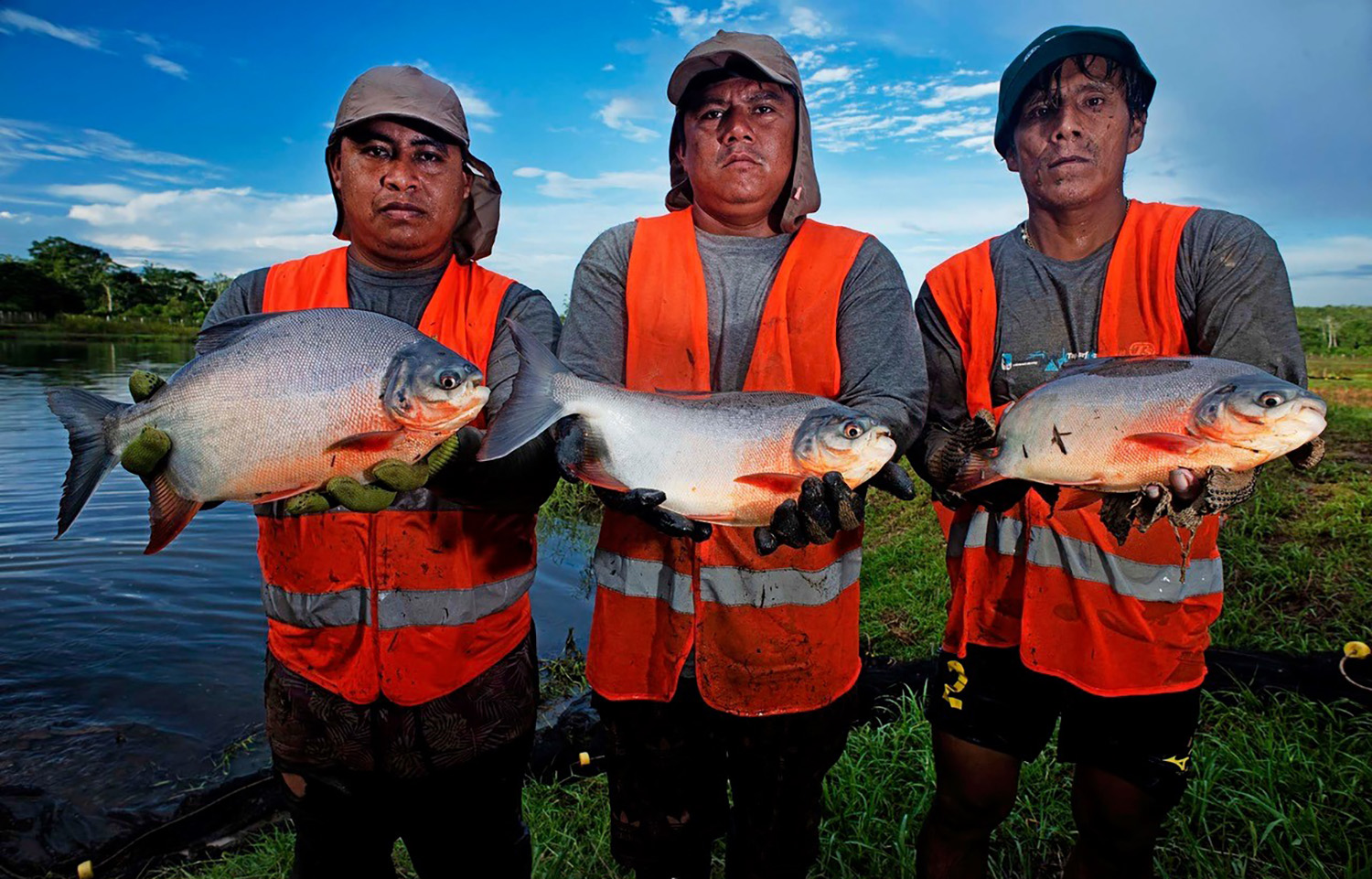
Reinhardt said that the Peruvian products under the program will provide E.U. customers with high-quality, diverse offerings that they may never have tried before.
“From Peru, paiche is a new fish on the European market,” she said. “The rainbow trout from Lake Titicaca offered through the program is also of special quality, and prawns from Peru will convince European buyers as well.”
IPD has said that the project’s setup, which entails purchases directly from producers and not through intermediaries, offers several benefits, such as buyers having the ability to discuss unique requirements and desires to producers. The IPD also said it creates more transparency in the supply chain.
As such, importers can demand sustainable products, while producers can achieve better prices than if they gave their products to middlemen and large monopolists.
To ensure that framework is upheld, IPD experts regularly check to ensure producers and fishers receive fair pay, producing enterprises prioritize sustainability and social responsibility, producers have relevant certifications or plans to acquire them, and producers have all of the tools necessary to meet market demands.
“Sustainability and social responsibility play a major role in our sourcing in the seafood sector. We put great emphasis on fair pay for small-scale producers and fishermen,” Reinhardt said. “We only include companies with certification or companies with specific certification plans in our program. They must at least comply with the minimum standards of food safety (HACCP), and IPD supports them in achieving higher standards. As a company in the IPD program, you have the opportunity to attend various training courses. The aim is to ensure that companies are optimally prepared for international market requirements and sustainability standards. This includes quality management and certification, delivery quantity, logistics, customer communication and many other aspects.”
Reinhardt added that the IPD team is currently active in 21 countries, and the goal is for the project to expand its offerings as early as next year, with two more countries potentially joining the initiative.
“I can't tell you which ones that will be yet. We will make the decision after a thorough country analysis that will include their offerings in the seafood sector, relevant economic and legal frameworks, sustainability requirements, and more,” she said. “As the IPD works on a demand-driven basis, the next steps are determined in dialogue with the market and the stakeholders.”
