




After securing trade deals with the E.U. and the U.S., India has proposed INR 27.6 billion (USD 304.5 million, EUR 256.6 million) in annual budgetary support for its fisheries sector, which, if approved, would be the highest annual amount in the country’s history.
India’s Finance Ministry has proposed the total for the upcoming fiscal year, which runs from April 2026 to March 2027, in an effort to raise production, boost exports, and support coastal and inland livelihoods. The measures are also intended to strengthen fisheries value chains and improve market access through partnerships involving startups, women-led groups, and producer organizations.
Of the total allocation, INR 25.3 billion (USD 278.9 million, EUR 235 million) has been earmarked to provide direct support to fishers and fish farmers. The bulk of the funding will flow through the Pradhan Mantri Matsya Sampada Yojana – the Indian government’s flagship fisheries program that finances infrastructure development, aquaculture expansion, cold-chain capacity, and income support for fishing communities, according to a statement from India’s Press Information Bureau.
Finance Minister Nirmala Sitharaman said the budget would also fund initiatives for the integrated development of 500 reservoirs and a nationwide water conservation initiative called Amrit Sarovars aimed at restoring and building bodies of water for irrigation and fishing purposes. This move would expand India’s already massive network of inland reservoirs, which covers about 3.15 million hectares, and offer significant scope for inland fisheries growth.
Additionally, the budget outlines steps to strengthen the nation’s fisheries value chain by linking primary producers more closely with processing, marketing, and export channels, with the aim of reducing post-harvest losses and improving price realization for fishers. Around 200 fisheries startups and 34 designated production and processing clusters are expected to benefit from these measures.
To support export growth, the government has also proposed duty exemptions for fish caught by Indian vessels in the country’s exclusive economic zone (EEZ) and on the high seas while treating landings at foreign ports as exports. Safeguards would be introduced to prevent misuse during transit or transshipment, the Press Information Bureau statement said.
In addition, the limit for duty-free imports of certain raw materials used in seafood processing destined for export would be raised to 3 percent from 1 percent, a move aimed at lowering costs for processors and improving compliance with international quality and food safety standards in key markets.
The Indian government’s substantial budget proposal arrives on the heels of landmark trade agreements with the E.U. and the U.S., which secure preferential access to two of the nation's most critical export markets for seafood.
Under the new free trade agreement (FTA) with the E.U., the bloc will scrap its 26 percent tariff on Indian seafood, which the Indian government expects will provide a "major boost" to marine exports.
By facilitating market diversification, the agreement alleviates pressure on Indian exporters and establishes secure, high-value trade corridors into Europe, Rajamanohar Somasundaram, the founder and CEO of aquaculture technology firm Aquaconnect, told SeafoodSource.
“We've been playing small in a market where we should be a major force. In that sense, the FTA [with the E.U.] goes beyond export benefits and represents a strategic reset for Indian seafood,” Somasundaram said.
The new U.S.-India trade deal, meanwhile, unveiled by President Donald Trump on 2 February, will see the U.S. reciprocal tariff on Indian products drop from 25 percent to 18 percent.
The Hindu reported that Indian exporters expressed a sense of relief following the announcement, with Alex Ninan of the Seafood Exporters Association of India (SEAI) remarking, “We are back in business now.”
The reduction in U.S. tariffs, combined with the recent E.U. FTA, creates a powerful tailwind for India’s industry; Somasundaram called the deals a "double win" that allow Indian exporters to move beyond mere recovery and decisively scale up.
Despite the anticipated benefits of both deals, they have encountered significant pushback from various domestic stakeholders in India who fear adverse impacts on their sectors.
The Samyukt Kisan Morcha (SKM), an umbrella organization representing various Indian farm unions, condemned the U.S. trade deal as a “betrayal of the people.” The group characterized the move toward removing tariffs on U.S. goods as a surrender to U.S. pressure, alleging that Prime Minister Narendra Modi is "shamelessly bowing down to the dictates" of Trump, according to The Hindu.
In response, Indian Commerce Minister Piyush Goyal stated that the U.S. agreement specifically excludes sensitive agricultural products and the dairy sector.
Still, SKM said the FTA with the E.U. also threatens to destroy domestic industry and agriculture while handing market control to corporations, with the group arguing the agreement will lead to a widespread loss of jobs within the Indian workforce.
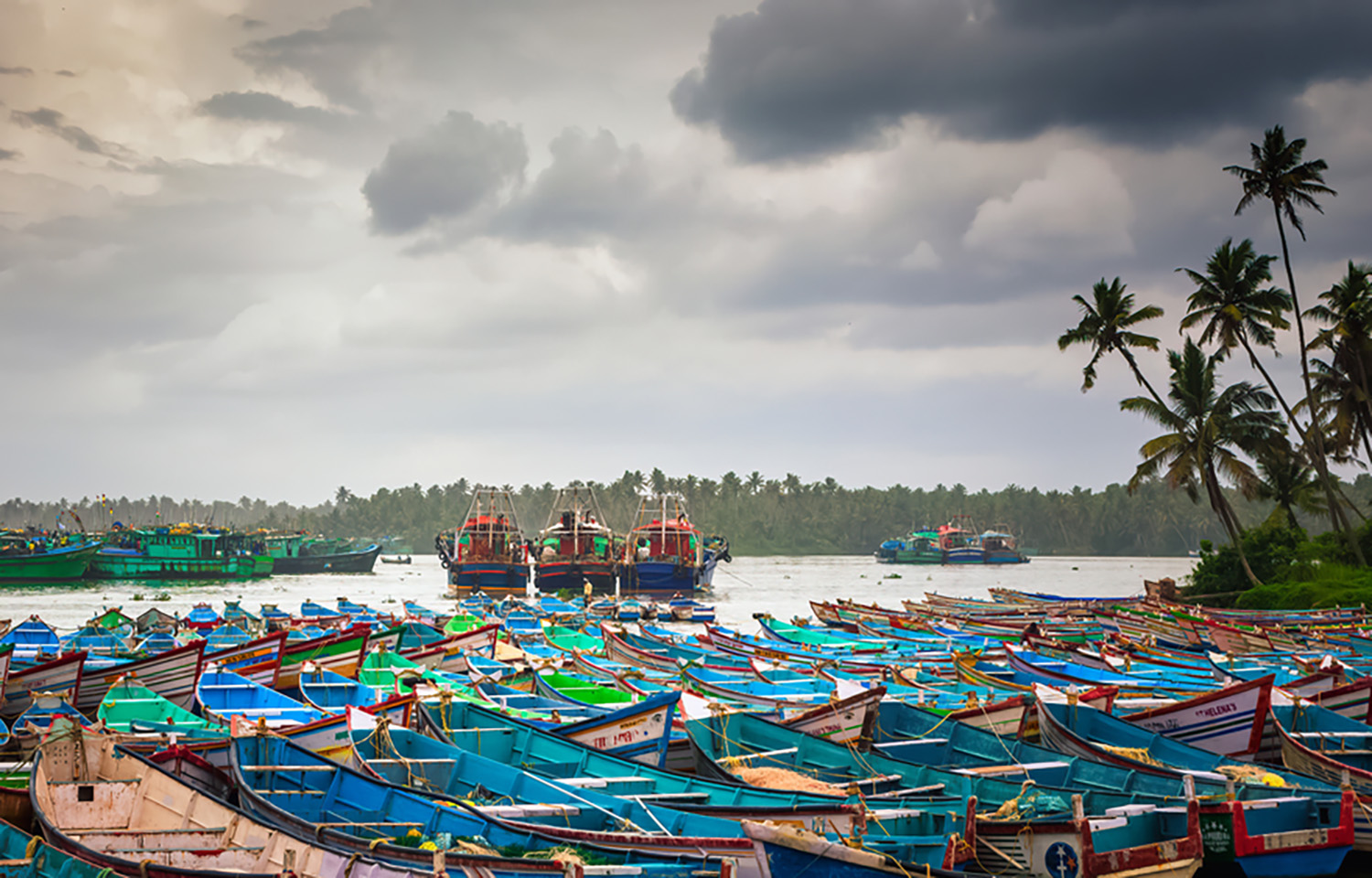
Some traditional fishing groups have also criticized the budget proposals for 2026-2027, warning they could open India’s marine resources to large, capital-intensive operators at the expense of small-scale fishers. Charles George, the president of fishermen trade union Kerala Matsya Thozhilali Aikya Vedi, said the measures could weaken safeguards that restrict large vessels from operating within India’s EEZ, The Hindu BusinessLine reported.
