

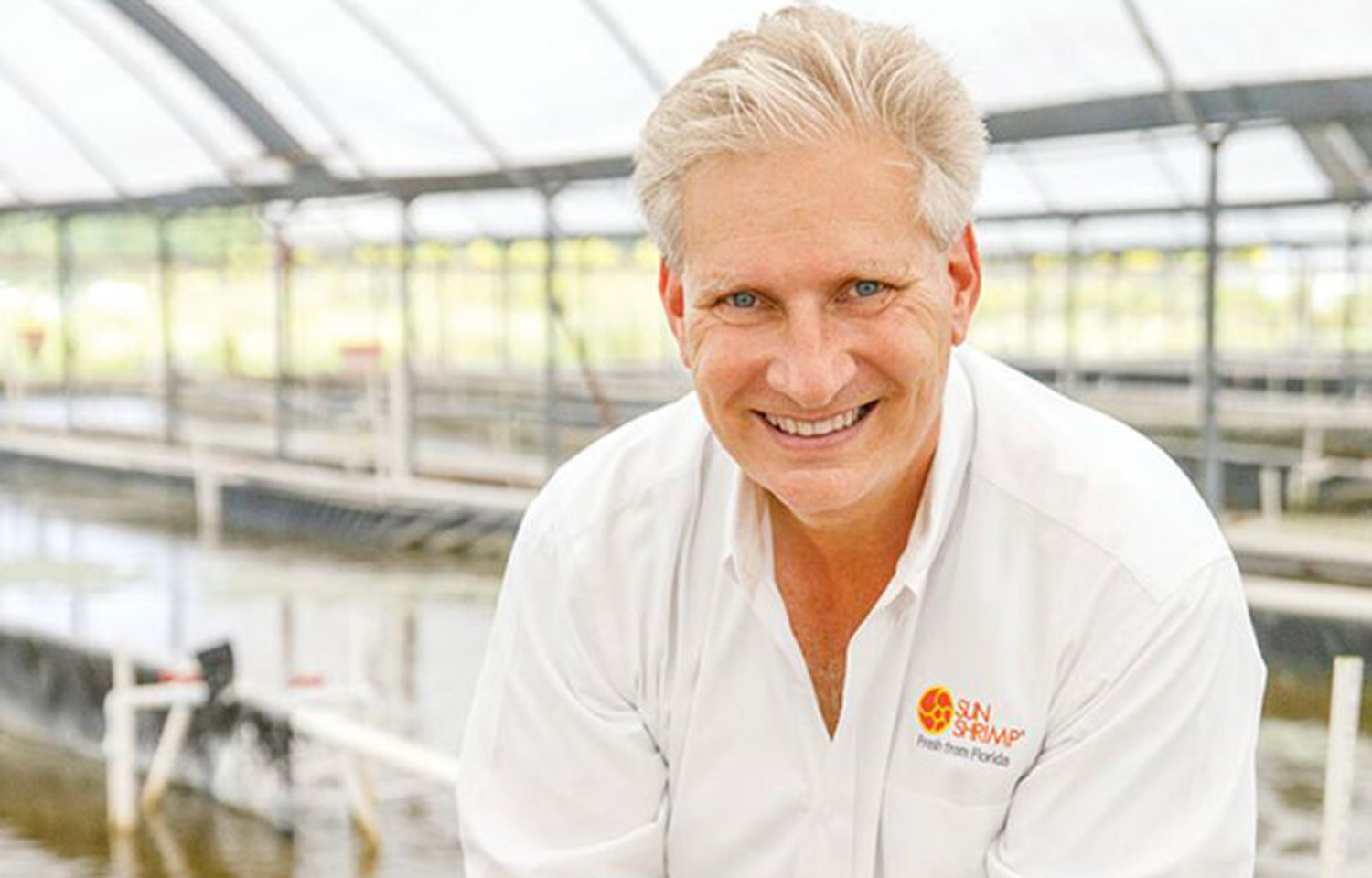
A U.S. court has dropped all charges against former American Mariculture CEO and Co-Founder Robin Pearl after a prosecutor declined to pursue the case.
Pearl was arrested on 14 November 2025 on charges of fraud, money laundering, and grand theft. According to the booking, he was arrested and charged with fraud to obtain property above USD 50,000 (EUR 43,300) in value, money laundering in excess of USD 100,000 (EUR 86,600), and grand theft in excess of USD 100,000.
On 31 July, the State Attorney for Florida’s 20th Judicial Circuit filed a notice of nolle prosequi, effectively dismissing all three counts of the case.
"After more than eight months, the state dismissed every count,” Pearl said in a statement sent to SeafoodSource. “I'm grateful to the colleagues, customers, and friends who reserved judgment, and I'm focused on what comes next."
In a separate LinkedIn post, Pearl said he understands why the charges against him garnered attention in the seafood industry.
“When someone who has spent nearly 30 years building a name in an industry is charged with three first-degree felonies, most people quietly conclude there must be something to it. Where there's that much smoke, there must have been fire,” Pearl said. “I don't blame anyone who thought it. I understand why people did.”
Pearl said he didn’t want to “relitigate” the case and said he doesn’t plan to comment on it outside of the LinkedIn post and separate statements sent to media.
“What I will say is that the months in between were not weightless, for me or for my family, and that the people who reserved judgment made them survivable,” Pearl said. “To the colleagues, customers, and friends who picked up the phone, who kept working with me, who said nothing publicly and everything privately – thank you. I know exactly who you are.”
He also said that he’s planning to remain in the seafood industry and that the months between the charges and their dismissal gave him time to “think hard about how to make this industry better.”
“That’s what I’m going to try to do,” he said.
The original booking reported that Ross Horsley, one of the owners of American Mariculture, had reported the potential fraud. According to that report, Horsley told police the original deal in 2017 would see him gather investors and operate the facility while taking a salary and not providing any capital. Horsley said he was concerned with the “lack of oversight” over Pearl, and a detective investigating the incident claimed he discovered multiple payments to Pearl’s accounts that came form the business accounts of the companies.
Pearl pled not guilty to the charges and maintained his innocence throughout, which ultimately ended in the prosecutor denying to pursue the case.
As the matter involving Pearl made its way through the courts, American Mariculture was hit with a string of setbacks. The company had already filed for bankruptcy in January 2025, and then in February 2026, the company’s landlord, 9703 Stringfellow LLC, filed a formal eviction notice with the court. The initial complaint by the landlord claims the company defaulted under the terms of its commercial lease, failed to pay annual rent due in the amount of USD 32,200 (EUR 27,900), and previously underpaid rent for a total of USD 54,569 (EUR 47,300).
After more court proceedings, a judge granted Stringfellow a court win and granted its eviction request in April. A further judgment for breach of lease under a second count of the landlord’s complaint found it was entitled to an award of liquidated damages from American Mariculture in the amount of USD 201,885 (EUR 175,000).
Even as the eviction was ongoing, the property on which American Mariculture sits was put up for sale based on postings on multiple real estate sites that are still up several months later.
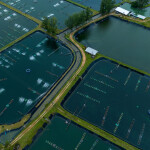
The court proceedings and charges represent the end of what was once the largest land-based shrimp farm in the U.S.
Founded in 2013, American Mariculture, along with American Penaeid and Sun Shrimp Gourmet, created the company to raise shrimp for consumption but shifted to producing broodstock for other shrimp-farming companies. According to the company’s bankruptcy case management filing, at one point, sales reached USD 25 million (EUR 21.6 million) and it was one of the largest producers of shrimp broodstock in the world.
The Covid-19 pandemic, Hurricane Ian, and market forces all combined to negatively impact the company, which never recovered.
