



India’s seafood industry is poised for a major export boost following the recent signing of the India-U.K. Comprehensive Economic and Trade Agreement (CETA), which eliminates import tariffs on a wide range of Indian marine products entering the U.K.
Signed on 24 July, the deal grants zero-duty access to 99 percent of tariff lines.
Industry estimates suggest the deal could result in 70 percent growth in India’s seafood exports to the U.K. over the coming years, according to a 26 July statement from India’s Ministry of Fisheries, Animal Husbandry, and Dairying.
CETA eliminates tariffs on a wide range of Indian seafood products, including shrimp, frozen fish, and value-added items, enhancing their price competitiveness in the U.K.’s USD 5.4 billion (EUR 4.6 billion) seafood market, the Indian ministry said.
In 2024-25, India exported USD 104 million (EUR 89.3 million) worth of seafood to the U.K., with frozen shrimp alone accounting for USD 80 million (EUR 68.7 million), or 77 percent of the total. The U.K. currently accounts for only 2.25 percent of India’s overall seafood export value.
The removal of tariffs, previously ranging from 0 percent to 21.5 percent depending on the product, is expected to significantly improve the competitiveness of Indian seafood products in the U.K., especially as competitors like Vietnam and Singapore already enjoy tariff-free access to the U.K. under their own free trade agreements (FTAs).
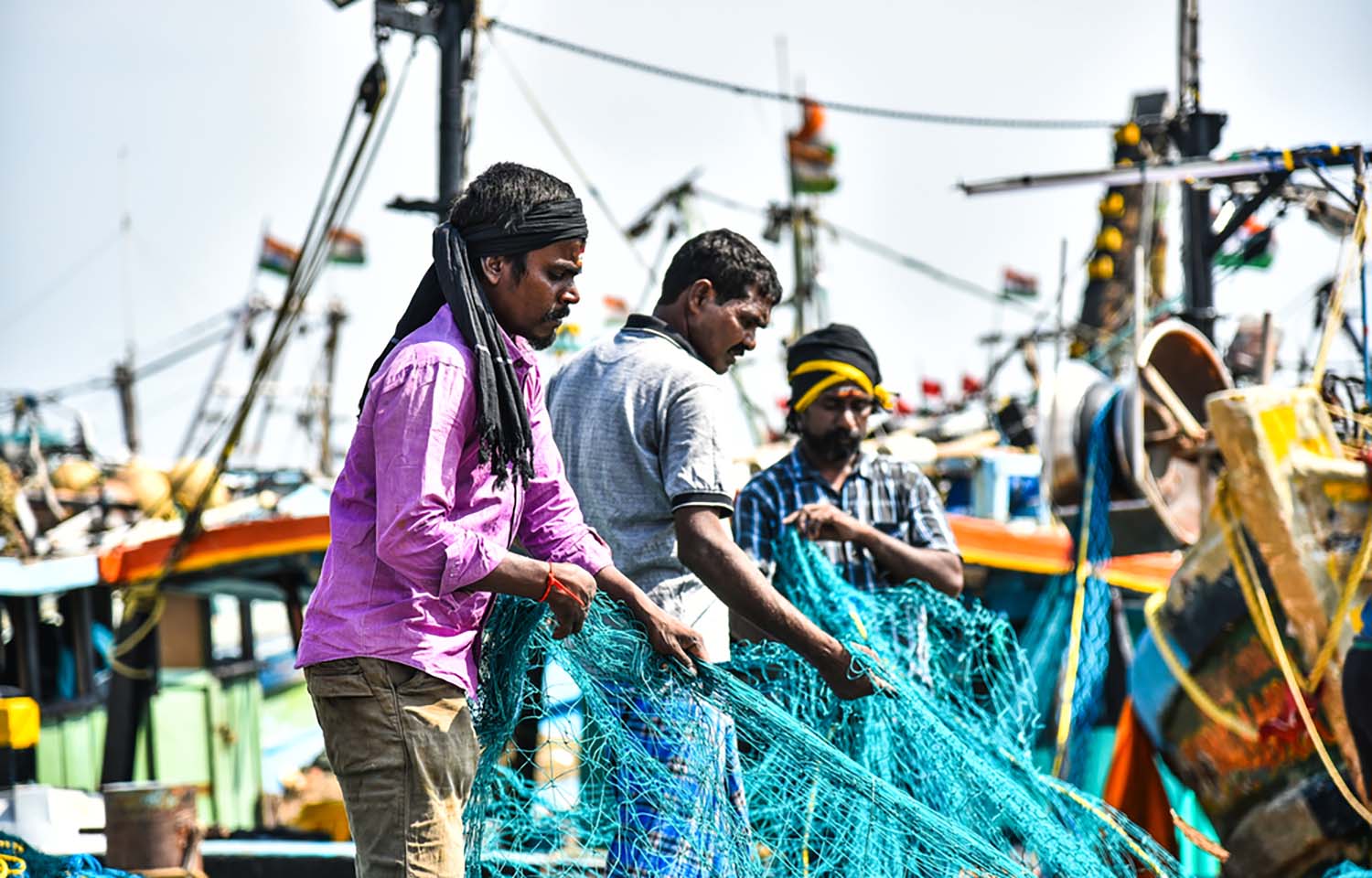
India’s coastal states, including Andhra Pradesh, Kerala, Maharashtra, Tamil Nadu, and Gujarat, are particularly poised to benefit from CETA. To ensure they benefit from the deal, though, it is important that seafood producers ensure they align more closely with the U.K.’s sanitary and phytosanitary (SPS) standards and, which would also help them expand their market access to other lucrative markets around the globe, the Indian ministry said.
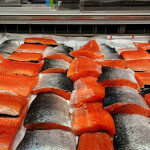
The Scottish salmon industry is similarly optimistic about the deal.
Previously, Scottish salmon carried a 33 percent tariff in India, which hindered trade in the past, but industry representative body Salmon Scotland said that thanks to the FTA, India now presents a huge opportunity to the sector.
According to the industry body, India is the world’s third-largest fish market, with domestic use reaching nearly 12 million metric tons (MT) in 2021 – up 120 percent since 2005. It further explained that while most of the fish that’s eaten is locally sourced, consumers in major cities such as New Delhi and Mumbai are increasingly demanding healthy, high-quality produce.
“The Scottish salmon industry … exemplifies the quality and innovation driving this partnership,” Indian High Commissioner to the United Kingdom Vikram K. Doraiswami said. “I am delighted that with the FTA reducing trade barriers, India’s restaurateurs and consumers will soon be able to affordably access premium Scottish salmon, enhancing consumer choice and fostering economic growth.”
