

South Sudan has partnered with the International Fund for Agricultural Development (IFAD) to launch a USD 41.8 million (EUR 36.2 million) project to strengthen its food security and improve rural livelihoods for more than 110,000 people across the East African nation.
The project, dubbed the Sustainable Agriculture Development Project (SADEP), includes investing in South Sudan's fisheries sector to increase fish production and meet current domestic demand. If all goes to plan, project estimates state the country may even have surplus fish supply for export by 2027.
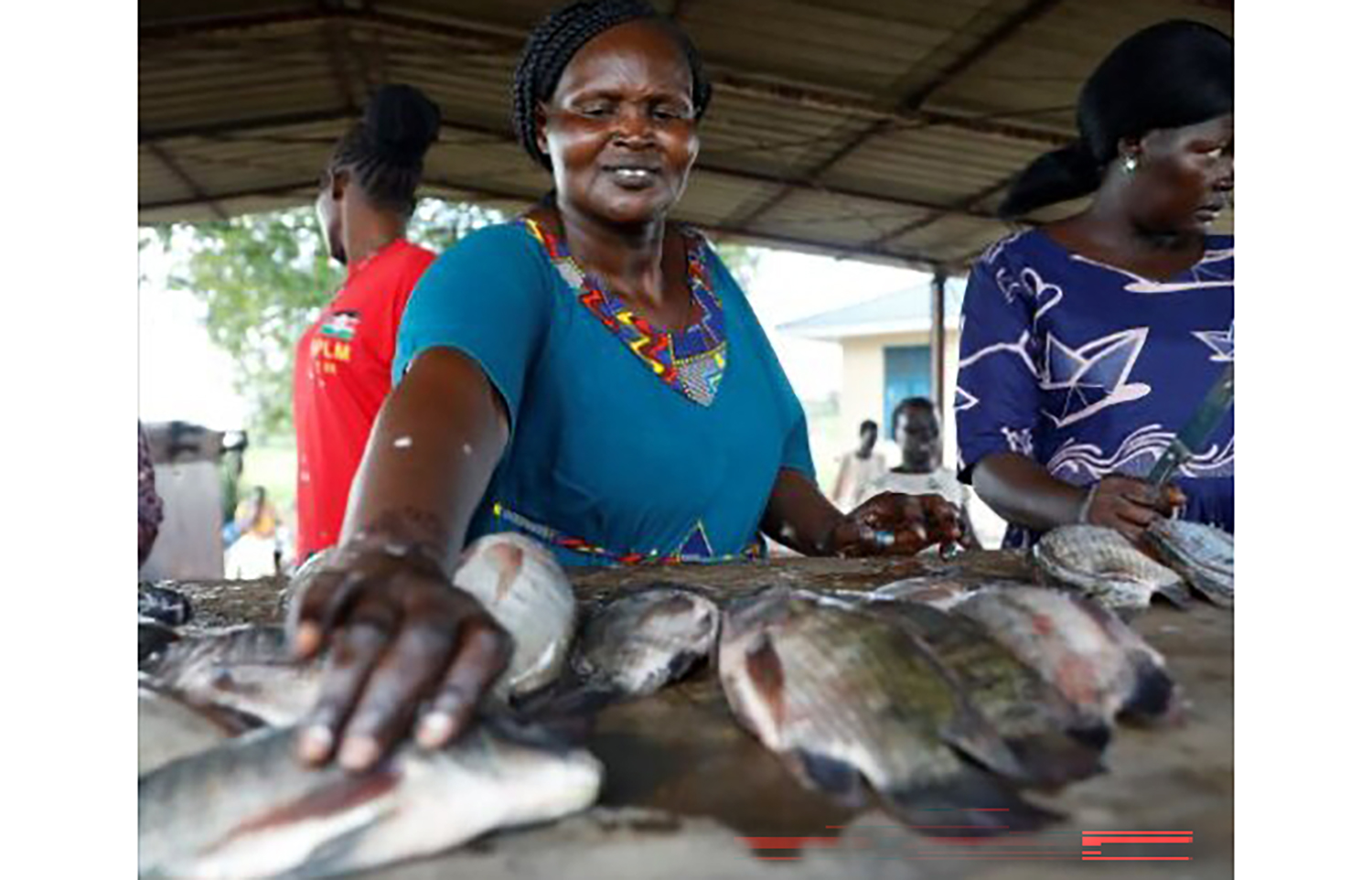
Though the nation is landlocked, the country still produces around 265,000 metric tons (MT) of fish annually, according to the Food and Agriculture Organization (FAO). The most productive fishery is in the Sudd Wetlands, where fishers operate along the White Nile River and catch tilapia, perch, and various types of catfish.
FAO estimates sustainable production could reach 300,000 MT a year, but reaching that potential is currently held back by high post-harvest loss rates; inadequate handling, processing, and preservation practices; poor institutional capacity and coordination; lack of cold chain and infrastructure; and overall rudimentary and inefficient practices throughout the value chain.
The project will aim to alleviate some of the issues and unlock the sector’s greater potential by rehabilitating key fisheries infrastructure such as ice plants, landing sites, and storage facilities, though the exact share of the new investment that will go toward fisheries is unknown.
IFAD said the project's broader focus is on providing substantial investment that allows beneficiaries to develop long-term resilience “through increased agricultural productivity, food security, resilience to climate shocks, and reinforcing rural institutions.”
Beneficiaries of the project include women, youth, and other vulnerable groups in areas classified by the United Nations as “high-poverty and high-vulnerability (to climate change),” with IFAD saying implementation of the project will be conducted “through a community-driven approach that promotes local ownership and social cohesion.”
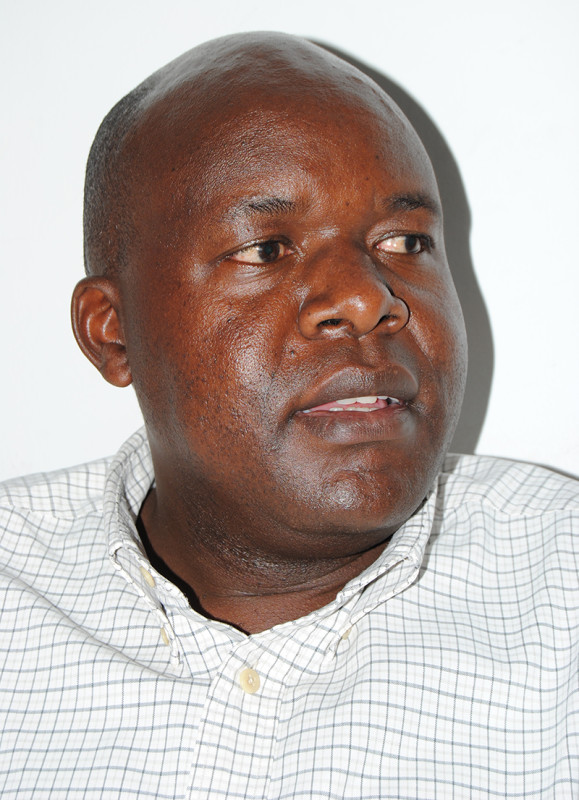
With the new project, South Sudan Minister of Livestock and Fisheries Onyoti Adigo Nyikwec said the country, with a population of slightly more than 12 million people, is optimistic of transitioning “from humanitarian dependence to resilient and productive food systems.”
