





Kristiansund, Norway-based seafood industry analyst Kontali is predicting current record prices across the whitefish sector will likely continue deep into 2026, driven by the declining North Atlantic cod supply, geopolitical disruption, and structural changes in global seafood markets.
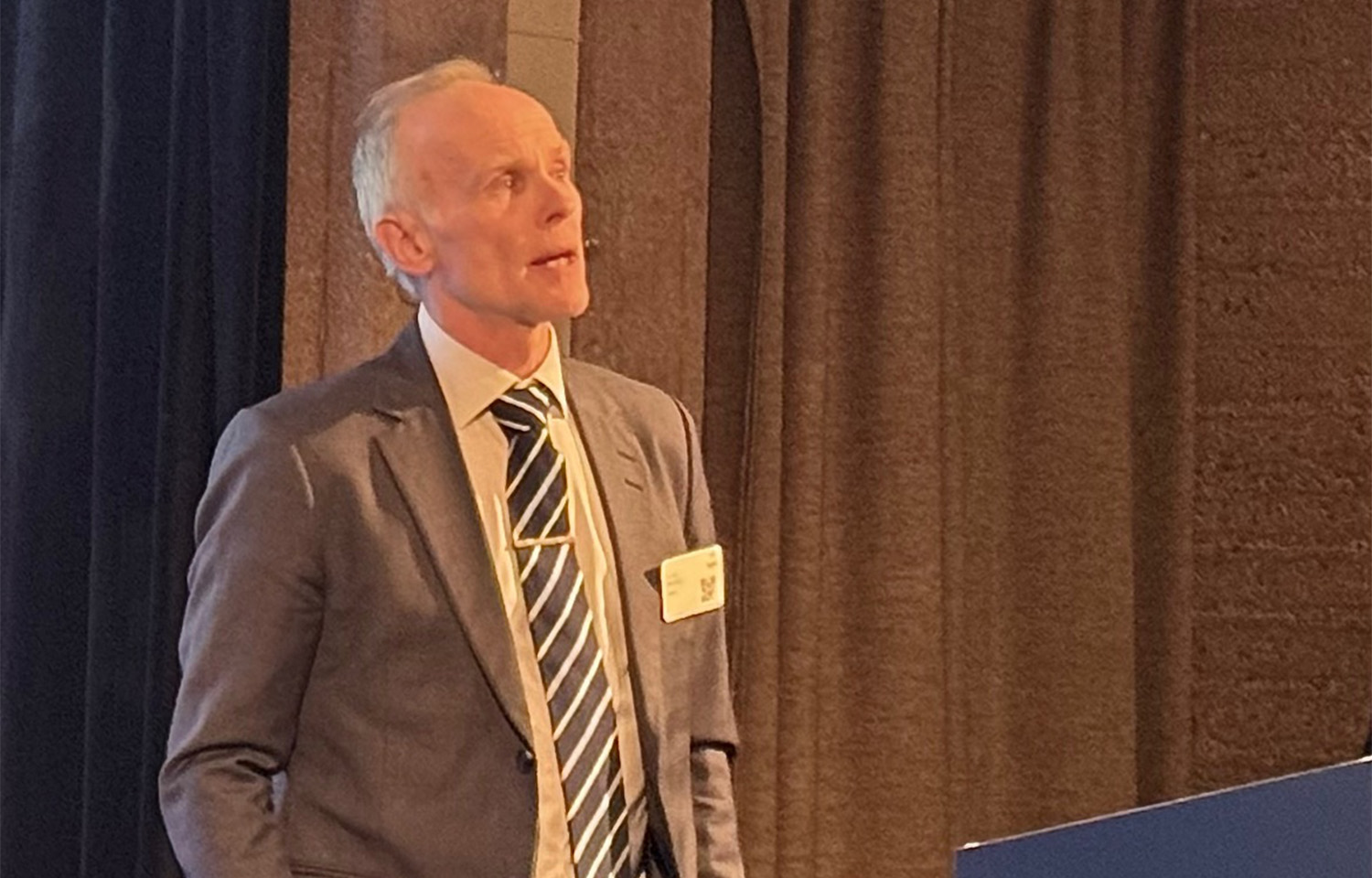
Kontali Analyse AS Senior Analyst Jan Erik Øksenvåg, speaking at the North Atlantic Seafood Forum (NASF) in Bergen, Norway, warned that the whitefish market is entering a period of sustained tightness despite a modest growth in the overall supply.
“Many of you in the industry have [said] there were crazy prices going into 2026, and they definitely were – there’s been record high prices,” Øksenvåg told delegates. “The present supply situation also indicates that these prices will remain high.”
The biggest factor behind the rising prices is the continued decline in North Atlantic cod catches, he said.
Across major cod producing countries – including Norway, Russia, Iceland, and the Faroe Islands – the supply of cod dropped significantly between 2024 and 2025. In total, cod landings from those countries fell by roughly 100,000 metric tons (MT) year-on-year in 2025, continuing a downward trend that has further tightened the availability of one of the world’s most important whitefish species.
While other species such as haddock and saithe have remained relatively stable, this cod supply reduction has had a disproportionate effect on prices across the whitefish category, Øksenvåg said.
Globally, the total whitefish supply is still increasing – but only because of aquaculture, he added.
According to Kontali estimates, global whitefish production is now comprised of roughly 6.8 million MT of wild-caught fish and 16.7 million MT of farmed species.
The growth in farmed whitefish species is expected to add another 500,000 to 600,000 MT to the supply this year, continuing a steady upward trend, Øksenvåg said. However, this increase will do little to offset the declining volumes from traditional North Atlantic fisheries, and the expectation from Kontali is that this situation will continue to push prices up.
Beyond the supply constraints, geopolitical developments are adding further volatility to the whitefish market, Øksenvåg told the conference. Russia remains a dominant supplier of several species, while China continues to play a central role in global whitefish processing, particularly for pollock, cod, and haddock.
At the same time, potential trade disruptions – including shifting tariff policies in the United States – are creating a lot of uncertainty for exporters and processors.
Øksenvåg pointed out that while the high prices may benefit harvesters, they also create significant risks further down the value chain, with many processors and traders often buying raw material months before their finished product reaches the market. That leaves processors and traders exposed to price fluctuations and uncertain consumer demand, with shoppers in the E.U. among those showing a stronger leaning toward cheaper alternatives in the past year.
“It is considered as a high-risk industry at the moment, especially for those in the conventional sector,” Øksenvåg said. “Will the industry be able to pass these prices on to the end consumer? That's the main question.”
