






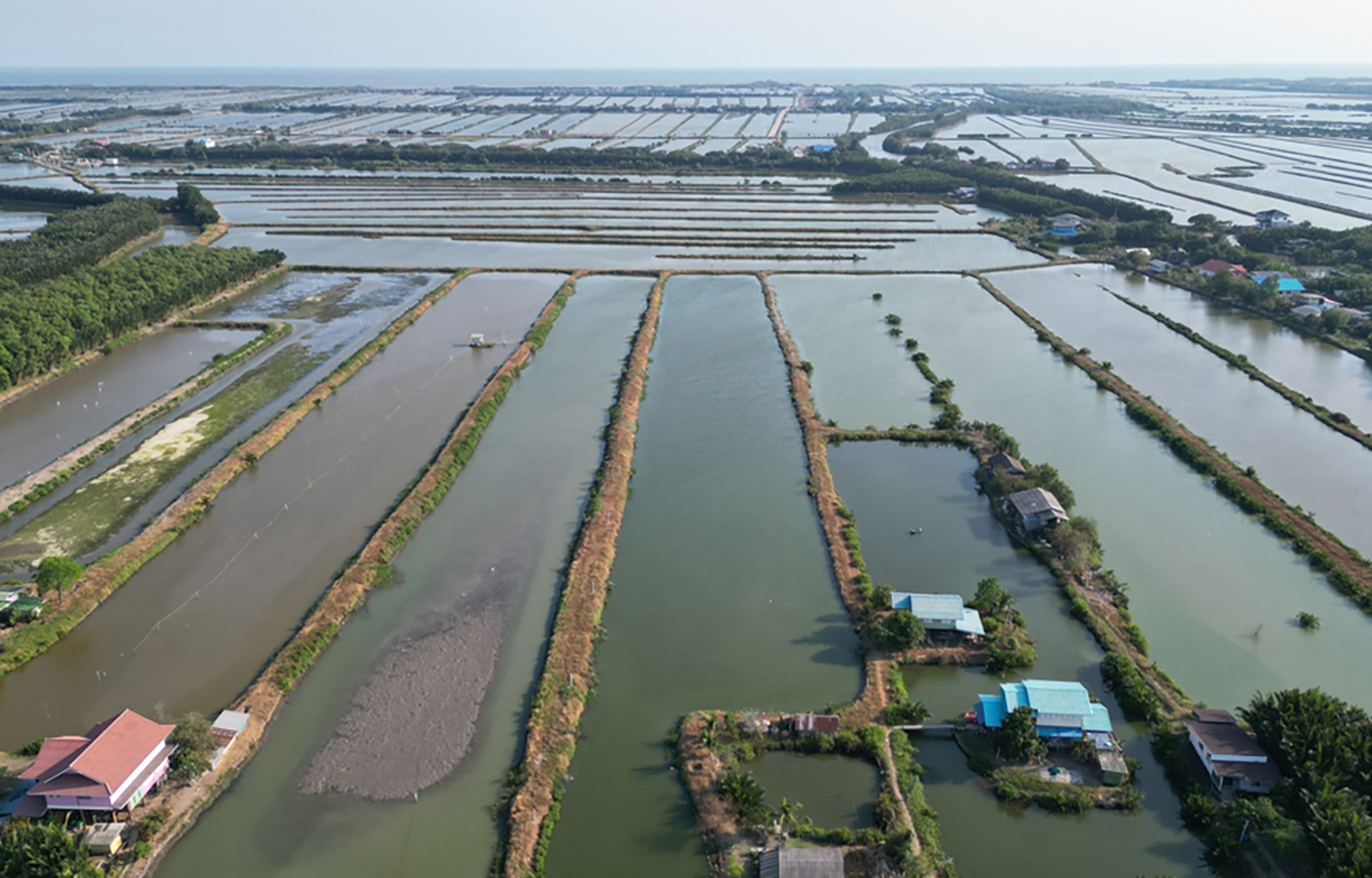
Malaysia has announced it has suspended imports of five Thai shrimp species and imposed strict testing mandates on sea bass from Thailand starting 1 June.
According to The Nation, under new Malaysian guidelines, fresh and frozen shipments of five shrimp species from Thailand, including brown tiger prawn, banana prawn, whiteleg shrimp, giant tiger prawn, and blue shrimp, have been temporarily halted.
Malaysian authorities said the shrimp suspension is a retaliatory trade maneuver, reacting to similar stringent import conditions that Thailand had previously placed on Malaysian shrimp. The ban will remain firmly in place until Thai agricultural agencies deliver a completed food safety standards questionnaire to Malaysian authorities for a formal reassessment.
For sea bass exports, operators from Thailand will be required to provide a Certificate of Analysis (CoA) along with every shipment, confirming that the products meet Malaysia’s food safety and biosecurity standards. The requirements are expected to create indirect costs for Thai operators, including laboratory testing expenses and time spent waiting for test results.
Malaysia's Ministry of Agriculture and Food Security said that inspections will be managed meticulously without affecting the supply of sea bass and shrimp in the domestic market.
However, the sudden loss of the Malaysian market could trigger a domestic glut of shrimp in Thailand, driving down local prices and eating into farmers' revenues, prompting exporters to seek alternative markets.
To prevent costly returns, Thai shrimp exporters are advised to temporarily halt fresh and frozen shipments to Malaysia. Meanwhile, sea bass exporters are recommended to allow extra time to obtain a CoA from recognized laboratories to prevent border delays and product spoilage.
Thai shrimp producers have called for immediate government action after Malaysia announced the import suspension. Thai Shrimp Association President Ekkapoj Yodpinit and Thai Shrimp Farmers Alliance Secretary-General Aphichit Warakit submitted a joint petition to Prime Minister Anutin Charnvirakul on 31 May, requesting urgent relief for local farmers and coastal fishermen.
The two groups, which represent 19 local farming organizations, urged the government to engage with Malaysian authorities to either ease the import restrictions or delay their enforcement. They also asked for urgent state measures to absorb the excess shrimp supply stranded by Malaysia’s temporary suspension.
Thailand sends an average of 6,000 to 8,000 metric tons (MT) of shrimp to Malaysia annually, making up roughly 5 percent of Thailand's total shrimp exports.
The Malaysian market is highly critical for Southern Thai producers in particular. Because of its geographic proximity, Malaysia directly takes in aquaculture and coastal fishery products from Southern Thailand, without requiring Thai producers to transport the goods more centrally first.
