

The Namibian government is seeking to recover the value of horse mackerel quotas granted to fishing firm Walu Fishing Investments after it accused the firm of a breach of contract.
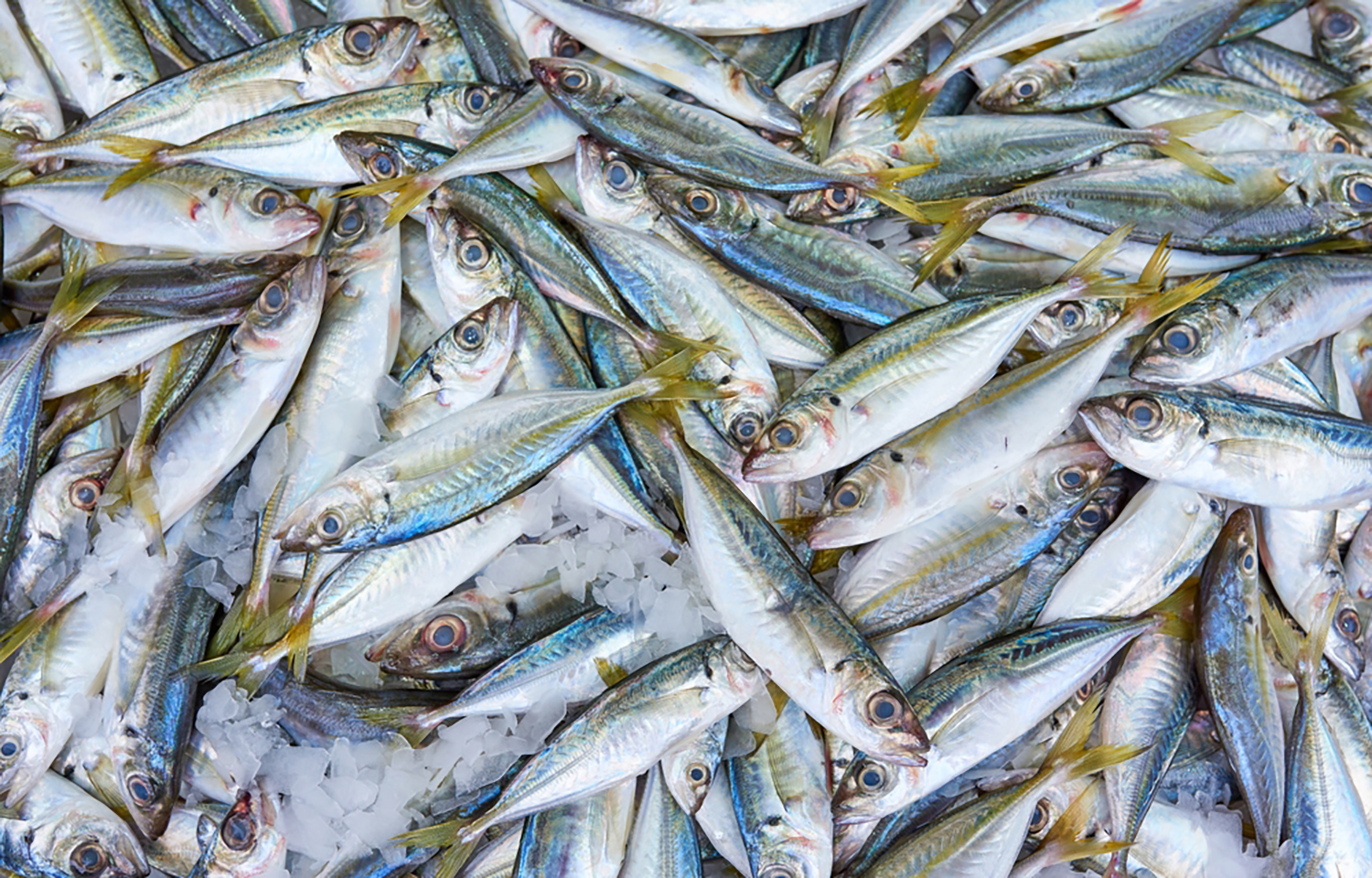
The Southwest African nation of Namibia implemented a program for both the 2024 and 2025 fishing seasons in order to “safeguard jobs within the sector.” As part of the program, Namibia’s Ministry of Agriculture, Water, and Land Reform allocated Walu quotas in both 2024 and 2025, with the more recent year comprising 6,690 metric tons (MT) of horse mackerel quota, equivalent to 3 percent of the nationwide 208,000-MT total allowable catch (TAC).
By granting the quota, Namibia aimed to achieve the objectives of its Government Employment Redress Program (GERP), an initiative launched in 2020 to support workers who lost their jobs at companies that were stripped of quotas at the height of the nation’s “Fishrot” corruption scandal.
The government said that although Walu was allocated quotas under the GERP scheme to maintain workers on payroll, “during the 2024 season … Walu caused serious disruption in the industry when its employees staged demonstrations after going unpaid for more than three months.”
Then, in 2025, the government said Walu “failed to pay its workers from October 2025 onward, and the government is currently pursuing measures to recover the value of the quotas granted to the company.”
“For the current 2026 fishing season, the ministry has no agreement with Walu Fishing, and the company is not eligible for any quota allocation. Any suggestion to the contrary is false,” it added.
Walu, for its part, claimed the quotas were too little to support worker salaries and finance company operations and has expressed full commitment “to securing additional quota allocations to ensure the long-term sustainability of our business and, importantly, the job security of our employees.”
Adding to the tense relationship between the two sides was a January 2026 video released on social media by Walu Managing Director Erna Loch, in which Loch accused the Namibian Ministry of Agriculture, Fisheries, Water, and Land Reform of unfairness in quota allocations and failure to address corruption in the management of the country’s fishing rights scheme.
She said the exclusion of Walu from the 2026 fish quota allocation scheme is one way the government of Namibia is trying to ruin her and her company for speaking out against corruption.
Loch further explained that although she signed onto the GERP program, the criteria used to allocate quotas to participating companies was not effective from the beginning, insisting the system of granting fishing companies quota to support jobs in the sector is not working.
The ministry retorted, saying that “decisions regarding TAC and quota allocations are guided by scientific advice, the Marine Resources Act, and cabinet decisions, not by pressure, threats, or misinformation."
"The Ministry of Agriculture, Fisheries, Water and Land Reform will not compromise the sustainability of Namibia's fisheries or the rights of law-abiding rights holders," it said.
The spat comes as Namibia has reduced horse mackerel TAC for the 2026 fishing season by 5 percent to 197,000 MT in what the ministry said was "a proactive and precautionary management decision reflecting a commitment to responsive and science-based fishery management to ensure the stock's long-term health."
