



Norwegian seafood exports enjoyed an incredibly successful 2024 by setting a new trade value record in excess of NOK 175 billion (USD 15.3 billion, EUR 14.9 billion).
While most sectors in the country’s seafood industry reaped the rewards of the successful year, the nation’s cod sector struggled to keep up – a struggle experts predict will persist this year.
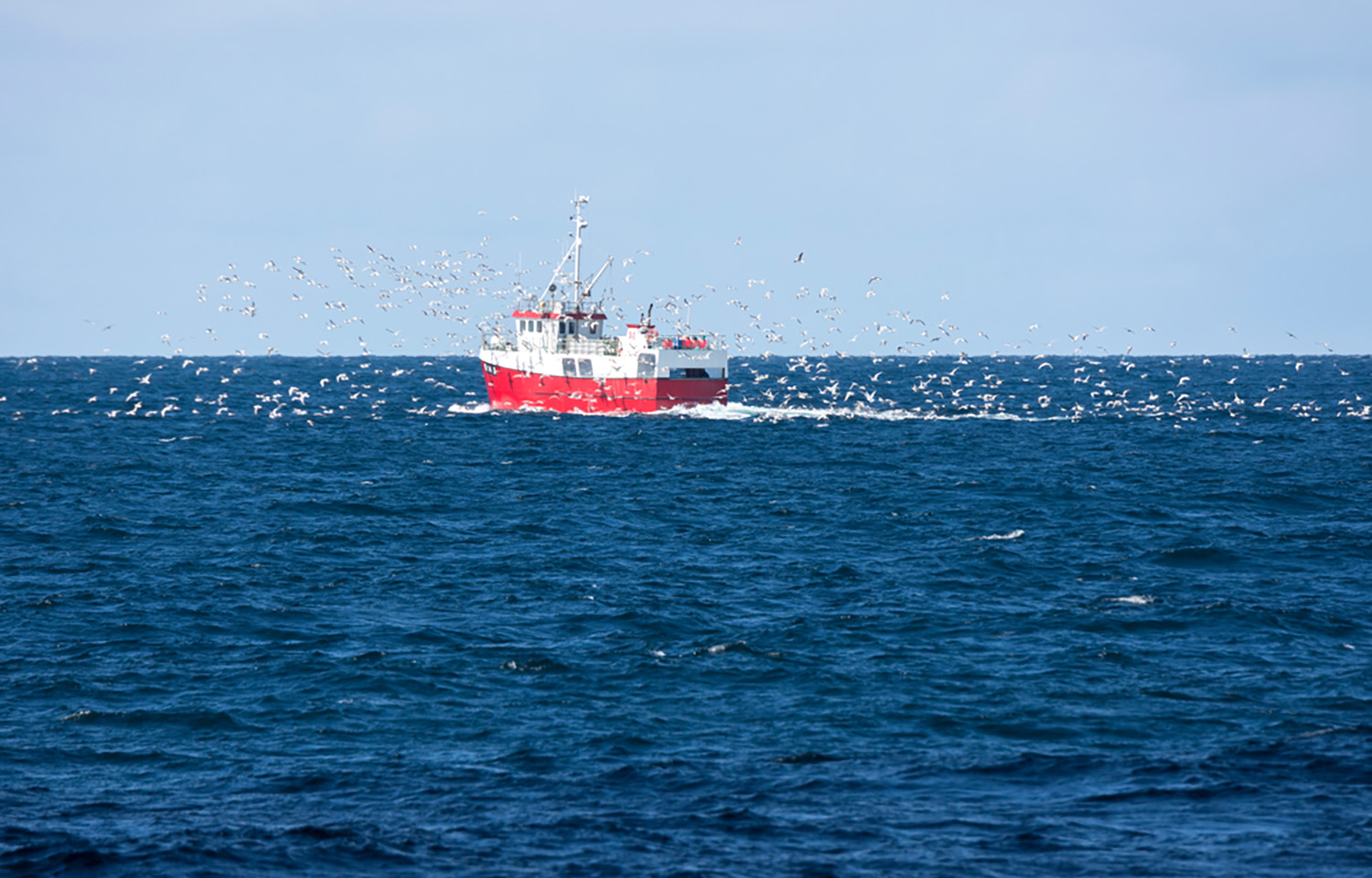
Significant quota cuts and reduced landings challenged cod supply chains in 2024, mainly due to the Norwegian-Russian Joint Fishery Commission agreeing on a 20 percent reduction in Barents Sea cod quotas for 2024, with the Scandinavian country securing just over 212,000 metric tons (MT) of the 453,427 MT total allowable catch (TAC).
According to Norwegian Seafood Council (NSC) figures, Norway exported 40,370 MT of fresh cod worth NOK 2.6 billion (USD 227.4 million, EUR 221.8 million) last year. That volume was down 18 percent, and the value decreased 10 percent compared with 2023 figures.
It also sold 48,166 MT of frozen cod worth NOK 3.1 billion (USD 271.1 million, EUR 264.5 million) to overseas markets – down 22 percent and 11 percent, respectively.
This reduced supply drove up cod prices in 2024, and the expectation is that this will continue this year, especially due to a further 25 percent reduction in the Barents Sea quota to some 340,000 MT. Of this, Norway's share is just below 163,500 MT.
Though the same pressures are likely to rear their heads again in 2025, most buyers are expected to remain loyal to the product, NSC Director of Communications Martin Skaug and Seafood Analyst Eivind Hestvik Brækkan told SeafoodSource.
“The traditional cod markets like Portugal and the U.K. are the most resilient and will continue to purchase and consume substantial volumes. We also expect good demand for fresh quality-labeled [cod] in Spain,” Brækkan said.
Brækkan added that other species might benefit from cod’s diminished availability in 2025.
“Total consumption must go down when quotas are reduced, and we expect some cod to be replaced, among other species, by saithe,” he said. “Adjusting for quota transfers, the Norwegian saithe supply could go up substantially this year and, thus, presents an affordable, attractive, and available alternative to cod. Even species like haddock, tusk, and more could enjoy the limelight left open by the lack of cod. We will adjust our marketing efforts in accordance with available alternatives.”
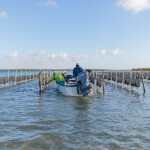
NSC data also confirmed that farmed cod could help fill the gap that wild-caught cod is leaving open.
In 2024, the export volume of farmed Norwegian cod increased 37 percent to 11,971 MT, while the export value climbed 55 percent to NOK 722 million (USD 67.5 million, EUR 65.9 million). As such, it accounted for 28 percent of the overall export value of Norway’s fresh cod in 2024.
This trend grew even more prevalent in Q4 2024, when the product accounted for over half of Norway’s fresh cod exports.
“Farmed cod will be important both as an alternative to wild cod when quotas are reduced, as well as to open up new markets for cod in general (e.g., for raw consumption),” Brækkan said.
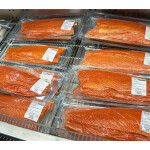
Alongside its whitefish trade, Norway exported 1.26 million MT of farmed salmon in 2024, valued at NOK 122.9 billion (USD 10.7 billion, EUR 10.5 billion). This represented a new record in sales by value and also accounted for 70 percent of total Norwegian seafood exports.
However, producers faced various biological challenges throughout the year which inflated costs for farmers, and there was also some easing in the prices customers paid, despite there being little growth in harvest volume.
The NSC expects a similar supply scenario to play out this year, with analysts suggesting a maximum of 4 percent to 5 percent Norwegian volume growth in 2025.
Navigating through these pressures, farmed salmon exporters were able to grow sales in key Asian markets, like Thailand, China, Vietnam, and Korea, NSC said.
“Our insights reveal a strong preference and liking for the Norwegian origin in the Asian markets. Furthermore, economic forecasts … point toward strong growth. Finally, the different regions prefer different sizes of salmon, and the markets in the East are leaning toward large fish and are prepared to pay for it,” Skaug said.
Last year also resulted in an upturn for Norway’s farmed trout production, with several fish farmers putting more focus on the species, according to the NSC. This helped the country achieve exports of 75,135 MT in 2024, worth a record NOK 6.8 billion (USD 594.5 million, EUR 580 million).
This could result in markets fluctuating between their demand for salmon and trout, Skaug said.
“In some markets, the exchange between salmon and trout seems to happen more fluidly, whereas overall, the share of salmonoids being made up by trout globally is still fairly small,” he said. “Niche markets prefer trout and will continue to buy [it]; other markets won’t be as selective and would be satisfied with either of the farmed alternatives from Norway, [with them] sharing many of the same characteristics.”
Ukraine, the U.S., and Thailand were the three largest markets for Norwegian trout in 2024.
