





The U.S. Senate has released its version of the Farm Bill, and, like the version passed by the House, the massive legislation includes multiple provisions meant to support the seafood sector.
“Seafood is one of America's great food resources, yet it has often been overlooked in programs designed to support domestic food production and regional economies,” Maine Coast Fishermen's Association Executive Director Ben Martens said in a release. “The inclusion of these seafood priorities represents meaningful progress toward better integrating seafood into federal food policy.”
The Farm Bill guides U.S. agriculture and food policy and must be renewed every five years. The legislation is currently overdue for renewal, with lawmakers opting to extend the 2018 version of the law multiple times as they worked to build consensus for the omnibus bill.
The domestic seafood sector has targeted the bill as a vehicle for improving seafood’s standing within the U.S. Department of Agriculture (USDA) and securing the same federal support and financial services for American fishers and seafood producers that farmers receive. In 2023, the National Fisheries Institute (NFI), the Seafood Harvesters of America (SHA), the Pacific Seafood Processors Association (PSPA), the At-Sea Processors Association (APA), Pacific Seafoods, and Trident Seafoods circulated a letter highlighting multiple priorities the seafood sector would like to see included in the omnibus legislation, including the establishment of an office supporting seafood within USDA, an increase in seafood purchases for the national school lunch program, and clarification that seafood processors and fishers can access USDA financial services and grants.
The House passed a version of the Farm Bill on 30 April, with two last minute amendments following through on those priorities. The first amendment codified the newly established USDA Office of Seafood, while a second amendment guaranteed that commercial fishers and seafood processors can utilize USDA programs, loans, and financial services.
"Commercial fishing is a small business industry at its core,” Gulf of America Reef Fish Shareholders' Alliance Deputy Director Eric Brazer said in a release. “Fishing businesses, seafood dealers, processors, and working waterfronts all depend on policies that help American seafood compete and reach consumers. Including seafood priorities in the Farm Bill recognizes the economic importance of our industry and creates new opportunities for coastal businesses and communities that rely on commercial fishing."
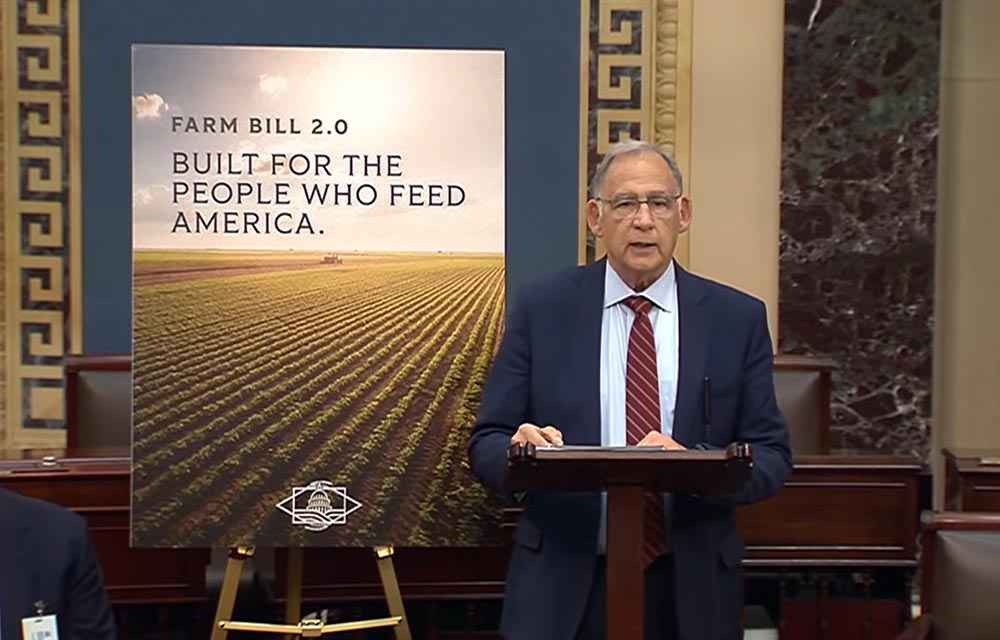
Now, the Senate has released its version of the Farm Bill, and it also includes that language.
"Fishing communities have spent years making the case that seafood belongs in America's food policy conversations," the Fishing Communities Coalition Coordinator Noah Oppenheim said in a release. "We appreciate [Senate Agriculture Committee Chairman U.S. Senator John Boozman (R-Arkansas)]and Senate Agriculture Committee staff for listening, engaging directly with fishermen from around the country, tackling complex issues, and taking meaningful steps to elevate American commercial fisheries and seafood within the Farm Bill. The bill text released today reflects the growing recognition that fishing communities are an important part of America's food system and deserve a seat at the table in policies that shape its future."
The senate bill also requires USDA to conduct a study on improving domestic processing capacity.
The legislation will need to be passed by the full senate and reconciled with the House version before becoming law.
