



The longest federal government shutdown in U.S. history has ended, with Republicans garnering enough support in the Senate to pass a continuing resolution that will keep the government funded into January.
The legislation largely continues funding at fiscal year 2025 levels, but lawmakers were able to add a few provisions into the appropriations bill through a last minute amendment in the Senate, including passing a major priority for the U.S. seafood industry: the establishment of a new seafood liaison position within the U.S. Department of Agriculture (USDA).
“The appropriations bills we passed also included significant provisions that will greatly benefit Alaska, bringing hundreds of millions of dollars to our state for military construction, funding our veterans’ care and benefits, and establishing a seafood industry liaison in the Department of Agriculture to advocate for Alaska’s fishermen and coastal communities,” U.S. Senator Dan Sullivan (R-Republican) said in a release.
The domestic seafood industry has been pushing for an increased presence within USDA, a government body that provides support to the nation’s agriculture sector.
The seafood sector wants USDA programs to offer support to commercial fishing and aquaculture businesses, and lawmakers have pushed to clarify that seafood-related companies can access USDA loans and financial services. Seafood stakeholders have also argued that there needs to be an office at USDA solely focused on integrating their industry into USDA and highlighting their issues.
In 2023, the National Fisheries Institute (NFI), the Seafood Harvesters of America (SHA), the Pacific Seafood Processors Association (PSPA), the At-Sea Processors Association (APA), Pacific Seafoods, and Trident Seafoods sent a letter to Congress that – among other things – would establish an Office of Seafood Policy and Program Integration in the USDA Office of the Chief Economist.
“Such an office would also serve a critical role in coordinating with other agencies that have a role in the seafood supply chain, to ensure that all agencies are collectively working toward common seafood support objectives in domestic and global markets,” the letter stated.
Legislators have attempted to create such a position in the intervening years; a Farm Bill draft released by Republicans in 2024 would have established a seafood industry liaison located within the Office of the Secretary of Agriculture. The Sustaining Healthy Ecosystems, Livelihoods, and Local Seafood (SHELLS) Act would have established an office of aquaculture within the department.
The Senate included the seafood liaison position in its fiscal year 2026 appropriations legislation during budget debates over the summer, but that effort hit a brick wall when the government shut down last month.
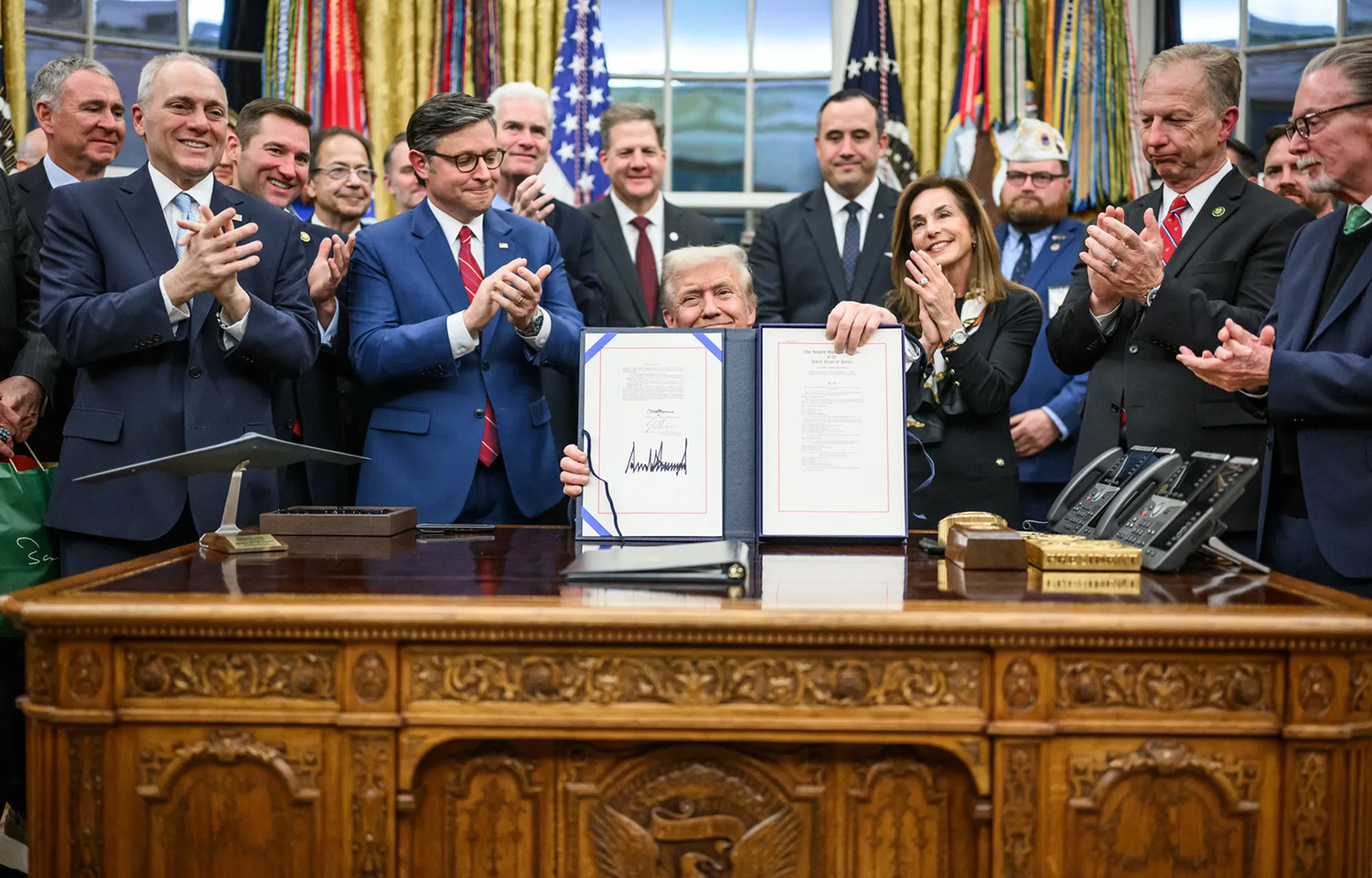
However, Senators were able to slip the provision into an amendment to the continuing resolution, which passed in a 60-40 vote 10 November. While the House had not included the position in its fiscal year 2026 appropriations bill, they approved the amendment to the continuing resolution, and U.S. President Donald Trump signed the bill into law.
The bill includes USD 500,000 (EUR 429,278) for the new office – less than the USD 625,000 (EUR 535,132) the Senate had proposed earlier in the year. While lawmakers have not provided further information on the position, a Senate report attached to the original proposal said the liaison would support “domestically harvested and processed wild and farmed seafood” and coordinate efforts between USDA, the Department of Commerce, and the U.S. Trade Representative.
Another provision added in the last-minute Senate amendment is a ban on Chinese seafood in U.S. school lunches.
“None of the funds made available by this Act may be used to procure raw or processed poultry products or seafood imported into the United States from the People's Republic of China for use in the school lunch program,” the legislation reads.
Sullivan has proposed that provision before, and in 2023, the Senate passed an amendment with similar language. However, the provision was not passed by the House.
The amendment also directed the U.S. Food and Drug Administration to engage with industry to determine an appropriate market name for more than a dozen rockfish and provided USD 2 million (EUR 1.7 million) in grant funding for catfish processors.
