






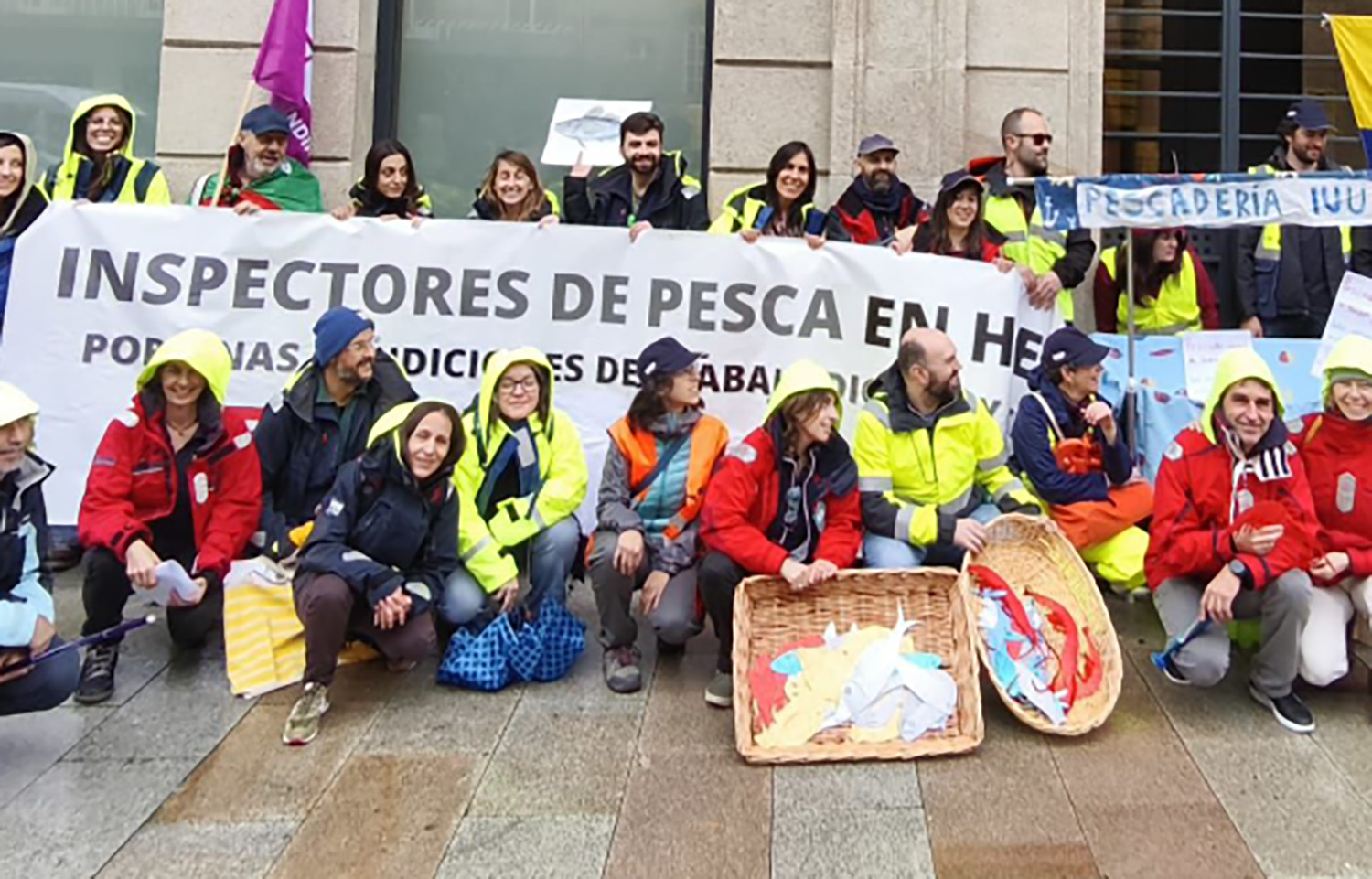
Fisheries inspectors in Spain recently agreed to a deal with the Spanish government to end a multi-month strike, ensuring that bluefin tuna fishers will benefit from their services in the upcoming high season.
Around 170 inspectors nationwide went on strike in early March seeking an increase in pay, among other demands, to reflect the long hours and hazardous environment required by their work.
"Inspectors are necessary when Spanish and other fishing vessels arrive at port. They regulate mesh size and ensure the vessels are in compliance with Spanish and E.U. laws," Ana de Ros, a fisheries inspector and member of industry union Asociación Profesional de Inspectores de Pesca (Apipes), told SeafoodSource at the 2025 Seafood Expo Global.
Besides those tasks, inspectors also validate catch documents and register landings for export.
“Ours is not a 9 a.m. to 5 p.m. job; it’s a 24-hour job. We can be called to duty at any time. It is also a dangerous job,” she said.
The two sides reached an agreement improving salary and labor standards, such as formalization of their work on a government level, opening the door to early retirement, and more, on 21 May.
“We must trust the government, and if it delivers on its promises, we'll have a good agreement,” Apipes said, per La Voz de Galicia. “[Government representatives] have told us that the fisheries inspection system has been plagued by fundamental errors since its creation and, after gaining a detailed understanding of the work we do, have decided to address this problem inherited from previous administrations and, finally, regulate their duties as public officials accordingly.”
Prior to striking a deal, de Ros warned that without inspectors, Spain’s fleet – the biggest in Europe – would be vulnerable to illegal, unreported, and unregulated (IUU) fishing and that their absence represents a “threat to the health of fish stocks in the Mediterranean Sea.”
According to a recent study from the General Fisheries Commission for the Mediterranean (GFCM), stocks in the Mediterranean and Black seas are becoming more sustainable but “fishing pressure is still twice the level considered sustainable.”
