



New data from the Association of Genuine Alaska Pollock Producers (GAPP) revealed that 2024 was a record year for pollock consumption among American consumers.
The amount of product made using Alaska pollock increased from 99,815 metric tons (MT) in 2023 to 115,065 MT in 2024, according to GAPP, which marks the highest amount of U.S.-caught Alaska pollock available for domestic consumption on record.
Additionally, since 2022, Americans have eaten 27 percent, or 24,583 MT, more of U.S.-caught Alaska pollock, GAPP said in a press release.
“We know from our research that provenance is extremely important to U.S. consumers and that the vast majority of Americans prefer their seafood be harvested in the U.S.,” GAPP CEO Craig Morris said. “By purchasing U.S.-harvested wild Alaska pollock, Americans are supporting not only the intrepid men and women who fish the waters of the Gulf of Alaska and the Eastern Bering Sea, but also the businesses from which they purchase goods and services.”
The increase in consumption has coincided with GAPP’s marketing efforts and Partnership Program, which has awarded millions of dollars to Alaska pollock suppliers over the last few years.
Last year, GAPP awarded USD 4.4 million (EUR 4.2 million) in funding to companies such as Trident Seafoods, Gorton’s, and Trans-Ocean to promote Alaska pollock.
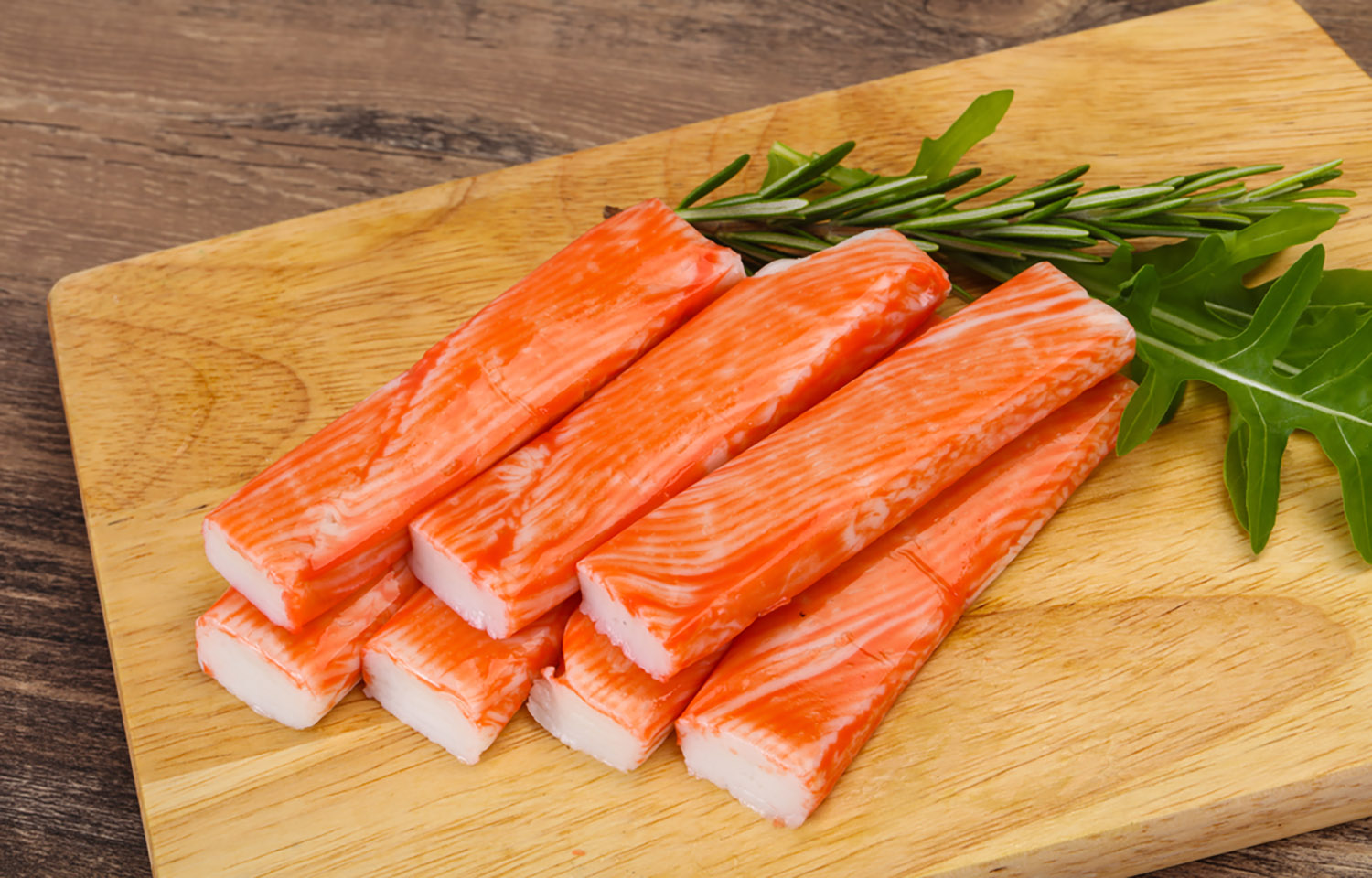
Bellingham, Washington, U.S.A.-based Trans-Ocean, which is a subsidiary of Japanese seafood firm Maruha Nichiro, said it would use GAPP funds to continue its series of digital campaigns to both promote its Crab Classic surimi line of products to retail outlets, which it is also looking to expand.
To help achieve the latter goal, the firm recently announced it is expanding its processing plant in Bellingham to “support the continued growth we are seeing,” Vice President of Sales and Marketing Lou Shaheen told SeafoodSource.
The expansion at its processing plant will increase the company’s total surimi production capacity by 25 percent, according to Shaheen, who outlined that the supplier will be adding between 10,000 and 15,000 square feet to its 70,000-square-foot facility in multiple phases, with a completion date set for January 2026.
In the first phase of the expansion, Trans-Ocean is adding a new “stick” line, which is needed to keep up with demand for the firm’s leg style products – especially its Seafood Snackers line, which is Trans-Ocean’s top-selling item in the refrigerated seafood category in terms of units sold, Shaheen said.
After lead contractor RAM Construction, which is also based in Bellingham, completes demolition and new construction work, the additional space will be used for a new pasteurizer and other needed equipment, he said.
Rounding out the expansion plans, a separate building will be constructed later in the year to house the company’s machine design and maintenance equipment and staff.
Amid these plans, Trans-Ocean is rolling out a new Seafood Snackers flavor: Garlic Butter – a well-known flavor among consumers, according to Shaheen – and other varieties are also under development.
With Americans’ continuing concerns about grocery inflation and other increased expenses, Seafood Snackers’ sales are also set to continue benefiting from their affordable pricing. The 3-ounce single-serve packs retail for a suggested USD 1.29 (EUR 1.23) to USD 1.99 (EUR 1.91) each.
In addition to surimi, both brand and private-label lines at major retailers and foodservice outlets are utilizing more pollock.
Restaurant chains such as McDonald’s use pollock throughout the year, but a number of leading quick-service restaurants are highlighting Alaska pollock specifically in their limited-time Lent offerings.
Jack in the Box, Sonic-Drive-In, and Dairy Queen are using Alaska pollock in their limited-time fish sandwiches, while White Castle is featuring a Panko Fish Slider made with Alaska Pollock this year.
“Pollock remains one of the most affordable, premium whitefish options out there, which helps us serve up our delicious fish sandwiches – starting at just USD 2.99 [EUR 2.86] – without breaking the bank for our guests,” Jack in the Box Vice President of Product Marketing and Culinary Innovation Anna Gabele told SeafoodSource.
Pollock prices have seen some fluctuations over the past year “due to factors like supply chain dynamics and global demand,” Gabele acknowledged, “but thanks to our strong supplier relationships and commitment to value, we continue to bring our guests a high-quality fish option at a price that makes sense.”
In addition to U.S. retailers and restaurants, the U.S. government continues to purchase near record amounts of pollock for federal nutrition programs.
In mid-February, the U.S. Department of Agriculture asked for bids on more than 21 million pounds of Alaska pollock fillets, nuggets, and sticks for household food distribution through food banks.
