

Several seafood suppliers have received sales and marketing funds from the Association of Genuine Alaska Pollock Producers (GAPP).
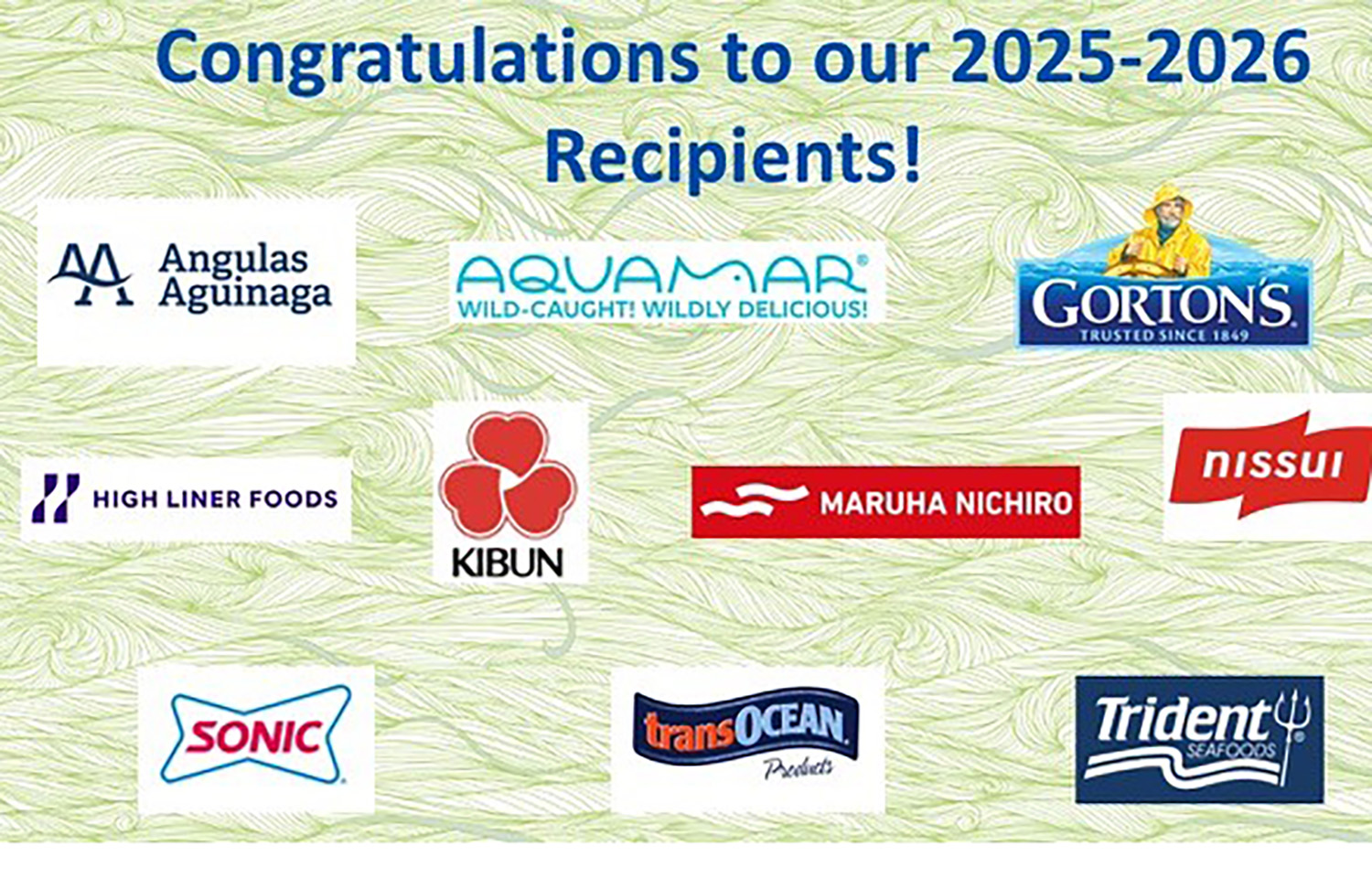
At its annual meeting, the most recent edition of which was held in Seattle, Washington, U.S.A., on 18 September, GAPP announced that the recipients included Rancho Cucamonga, California, U.S.A.-based Aquamar; Bellingham, Washington, U.S.A.-based Trans-Ocean; and Seattle, Washington, U.S.A.-based Trident Seafoods, all of which received funding via GAPP’s Partnership Program to promote Alaska pollock to consumers in retail stores across the U.S.
Gloucester, Massachusetts, U.S.A.-based Gorton’s Seafood; Lunenburg, Nova Scotia, Canada-based High Liner Foods; and U.S. restaurant chain Sonic also announced they will be featuring Alaska pollock in their product portfolios and menus and will similarly promote the species’ quality and sustainability across U.S. foodservice and retail markets.
Additionally, GAPP revealed it is funding several overseas marketing initiatives, including one in partnership with Tokyo, Japan-based Maruha Nichiro, which will promote its Alaska pollock and tartar sauce product in retailers across Japan.
Kibun, Nissui, and Trident Seafoods Japan will also promote “the superiority of Alaska pollock surimi seafood over Russian surimi” in the Japanese retail market, GAPP said.
“We are extremely pleased with the response we had and this year’s partnership applications. It was our most competitive year yet with more than six times the requests submitted for funds available,” GAPP CEO Craig Morris said.
GAPP received 24 applications from 15 different companies with a request of more than USD 3.3 million (EUR 2.8 million) and a total matching spend by those companies of more than USD 21 million (EUR 17.8 million).
GAPP does not disclose the amount of actual funding it provides, Morris told SeafoodSource, but has awarded around USD 12 million (EUR 10.2 million) in partnership funds over the past six years.
“With the overwhelming response, the GAPP Board had a daunting task in selecting those partnerships that provided the most value for our partners and our industry,” Morris said.
This year, a record number of partnership dollars have been allocated to partners in foreign markets, underscoring GAPP’s focus on international market development and demand-building activities, the organization said.
To that end, GAPP announced its imminent launch of new Japanese and Korean language websites focused on providing business-to-business information for seafood buyers in both countries.
GAPP executives also discussed efforts to better understand the challenges and opportunities in such markets as Brazil, Colombia, and India thanks to funds received from the United States Department of Agriculture’s (USDA) Foreign Agricultural Service.
The markets were chosen through a study conducted by GAPP, using previously awarded USDA funds. Morris said that the ambitious study, called “Wild Alaska Pollock 2040,” identified the three nations as “the most promising export markets for our fish.”
“I want to take a moment to thank [USDA] for your support, your expertise, and for giving GAPP and our member companies a literal window to the world,” GAPP Chairman of the Board Bob Desautel said during his opening remarks at the meeting. “We’re looking forward to putting these latest grants to work, taking Alaska pollock to even greater heights.”
Through the new rounds of funding and projects, GAPP is aiming to build upon the momentum Alaska pollock gained in 2024.
The amount of product made using Alaska pollock increased from 99,815 metric tons (MT) in 2023 to 115,065 MT in 2024, according to GAPP, which marked the highest amount of U.S.-caught Alaska pollock available for domestic consumption on record.
“We know from our research that provenance is extremely important to U.S. consumers and that the vast majority of Americans prefer their seafood be harvested in the U.S.,” Morris said earlier this year. “By purchasing U.S.-harvested Alaska pollock, Americans are supporting not only the intrepid men and women who fish the waters of the Gulf of Alaska and the Eastern Bering Sea but also the businesses from which they purchase goods and services.”
