






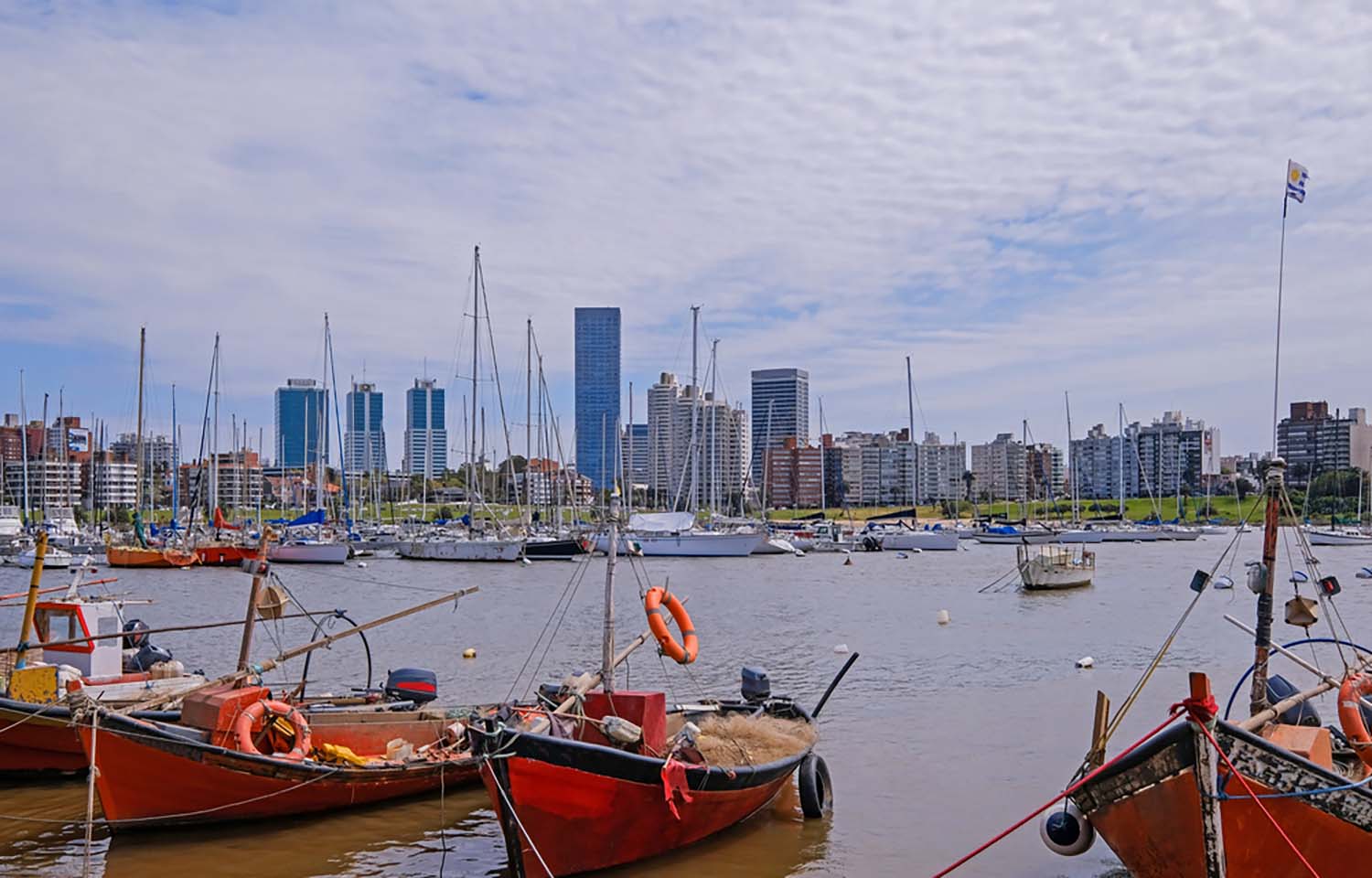
Uruguay’s National Union of Sea Workers and Related Workers (SUNTMA) has decided to call off a strike that began in early June and which has generated losses to industrial fishing companies estimated at around USD 50 million (EUR 42.9 million).
The standoff concluded in a tense atmosphere between unionized workers, some of whom expressed the need to get back to work. One such worker apparently threatened union leaders shortly before the strike ended.
“If you want bullets, you will have bullets,” he said to union leaders during negotiations, according to local paper El Pais.
The conflict centered on a SUNTMA demand for fishing companies to add an extra crew member to each vessel in order to improve rest and working conditions, which industrial fishing fleets rejected as it would increase costs.
Those opposed to the strike argued the measure was not included in the collective bargaining agreement (CBA) that is in force until 2027 and that the union violated the CBA by striking without negotiating first.
Nevertheless, the latest conflict kept dozens of coastal fishing vessels moored in port and spilled over into related industries, affecting reefers and industrial production plants that process fish. The strike reportedly left more than 2,000 workers idle, while Uruguay's fishing quota in the Río de la Plata estuary was reduced from 70,000 metric tons (MT) to 35,000 MT for this year.
Companies like Belnova, Uruguay's top fish exporter, paid a heavy price.
The Uruguayan arm of the Spanish-based company has more than 200 direct employees and has made investments of EUR 47 million (USD 54.7 million) in its fleet and operations in recent years. During the strike, it reported daily losses of around EUR 300,000 (USD 349,000).
Belnova reportedly claimed it was a “hostage” of SUNTMA’s strike, stating that its ships already meet the conditions demanded by the union.
With the longest conflict now over, the company said in a release that it would strive to have operations return to normal.
“Belnova reaffirms its integrity and commitment to the sector,” it said. “Each company will now define its crews, progressively reactivating activity in the sector. This return marks a key step toward the stability of the sector. The company reinforces its commitment to work with seriousness and predictability, together with its international customers and crews.”
Other Spanish fishing companies with operations based out of Uruguay are reportedly reconsidering their future in the small South American nation.
The Uruguayan Industrial Fishing Chamber (CIPU) has said the strike and accompanying riots resulted in a climate of operational insecurity and accused the country’s Labor Ministry of inaction.
“This is sabotage of the industry and the workers who depend on it,” a CIPU representative said.
No formal agreement was reached between the union and industrial fishing companies, but the calling off of the strike allowed a total of 193 vessels to return to the water, with each company regaining the ability to designate their crews and guarantee operational continuity.
Just before the strike was lifted, CIPU opened a public call to contract non-union crew members; more than 9,000 job seekers reportedly applied. Anticipating violent reactions, the shipowners prepared security plans.
CIPU is now reviewing whether to ask the nation to sue SUNTMA for the damages caused by the stoppage of activities, Uruguay’s Canal 5 Noticias reported.
Congressman Gabriel Otero said CIPU’s complaints were hypocritical, pointing toward a previous six-month window in which CIPU ordered vessels to remain docked.
“We are thinking of asking for a report on the losses the state sustained when, from November 2023 to March 2024, CIPU themselves stopped the ships and sent the workers to [collect unemployment] insurance. Those were exports not made, that was fishing not done, and it also damaged the economy,” he told Canal 5 Noticias. “I think we have to claim compensation from CIPU in the same manner. We find it really incredible for them to call [for hiring non-union] workers with or without experience; that’s crazy and a very anti-union move. It is the very [CIPU members] that have been responsible for great losses to the country due to their ships being in poor conditions and for the terrible working conditions they [provide]. We are going to see how CIPU can respond to the losses and the economic damage they do to Uruguay.”
