




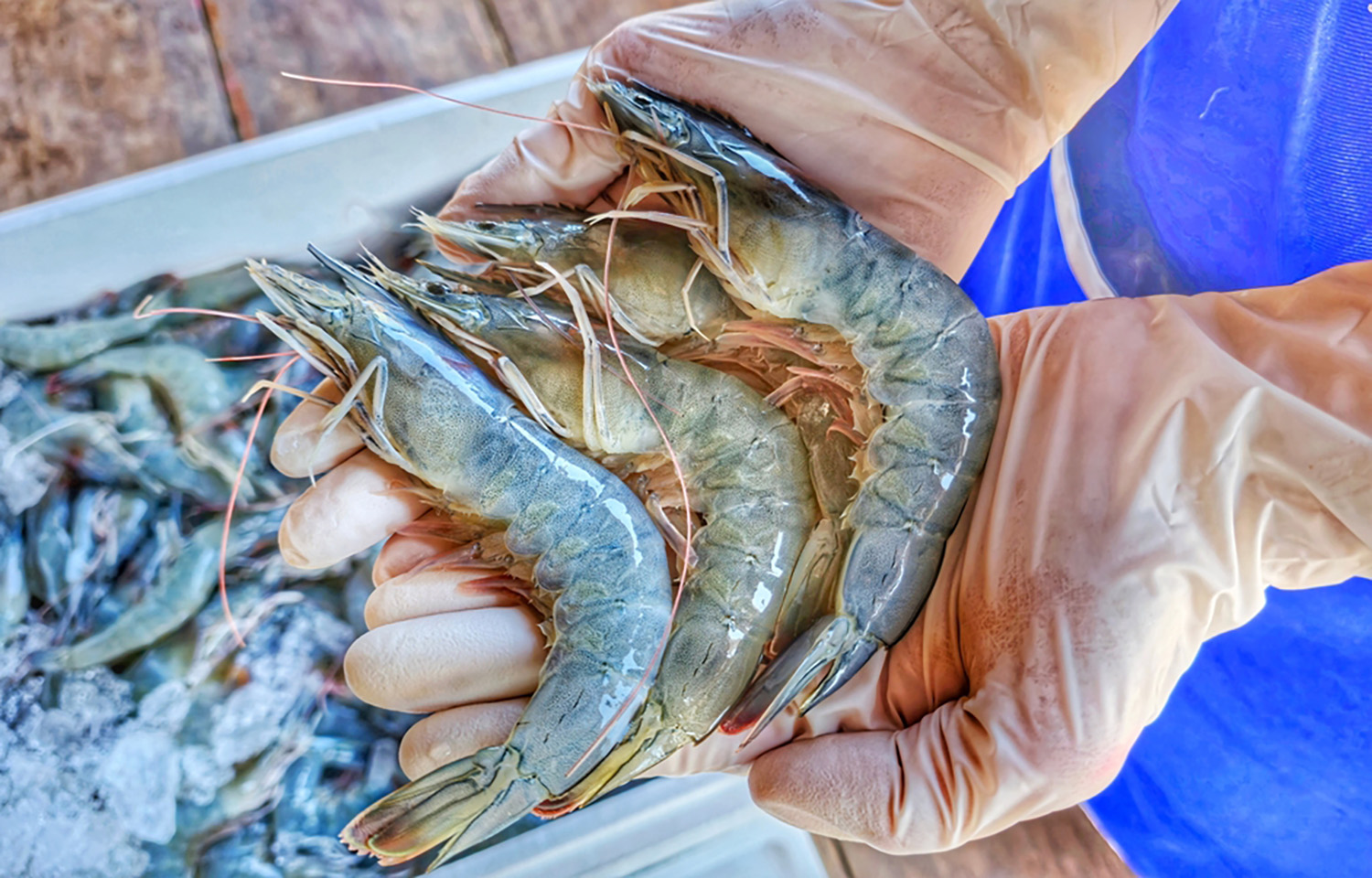
The U.S. Department of Commerce (DOC) has raised antidumping duties on frozen warmwater shrimp from Vietnam and Thailand in its latest administrative reviews covering 1 February 2023 to 31 January 2024.
These final results establish the definitive amount of duties owed for the period and set the cash deposit rates for all future imports.
For the Vietnamese sector, the DOC significantly increased the antidumping duty rate for shrimp firm Thong Thuan from a preliminary 0.99 percent to 25.76 percent. Conversely, Soc Trang Seafood (Stapimex), another mandatory respondent, saw its rate reduced from a preliminary 35.29 percent to 25.76 percent. Both companies were required to pay a cash deposit rate of 25.46 percent. Twenty-two other Vietnamese exporters were assigned an antidumping duty rate of 4.58 percent and a future cash deposit rate of 4.28 percent.
The Vietnam Association of Seafood Exporters and Producers (VASEP) suggested the 4.28 percent rate may help stabilize risk profiles for seasonal contracts and support Vietnam's ability to maintain a steady supply to the U.S. market. However, the group said it is considering litigation to prove that Vietnamese shrimp is not being dumped into the U.S.
Ho Quoc Luc, the chairman of shrimp firm Sao Ta, said the impact of the DOC’s decision is expected to be contained within the companies subject to high duties, such as Thong Thuan and Stapimex, which may temporarily redirect their exports to other markets while awaiting the results of the next administrative review. He added that though the 25.76 percent rate assigned to these two companies is significantly higher than that of competitors from Thailand, Vietnamese shrimp companies are maintaining their competitiveness by focusing on the value-added segment targeting middle-class customers, Vietnam’s Doanh nghiep va Hoi nhap magazine reported on 25 February.
Regarding Thai exporters, the DOC hiked the rate for Thai Union to 2.01 percent from a preliminary 1.28 percent. Charoen Pokphand Foods, which had initially refused to provide requested information, saw its rate reduced from 57.64 percent to 17.38 percent. Thirteen other Thai exporters not individually examined were assigned a rate of 2.01 percent.
While most Thai exporters previously operated with cash deposit rates between 0.51 percent and 1.23 percent, the new cash deposit figures, which DOC said are the rates established in the final decision, will increase their costs for future shipments once formally published.
“The American shrimp industry is grateful to the U.S. Department of Commerce for confirming that foreign shrimp exporters increased their dumping while prices in the U.S. market were collapsing,” Blake Price, the director of U.S. domestic shrimp nonprofit lobbying organization Southern Shrimp Alliance, said. “It is, however, incredibly frustrating to see international financial institutions, like the Asian Development Bank, direct funds to shrimp exporters, like Thai Union, found to be unfairly trading in our market.”
