






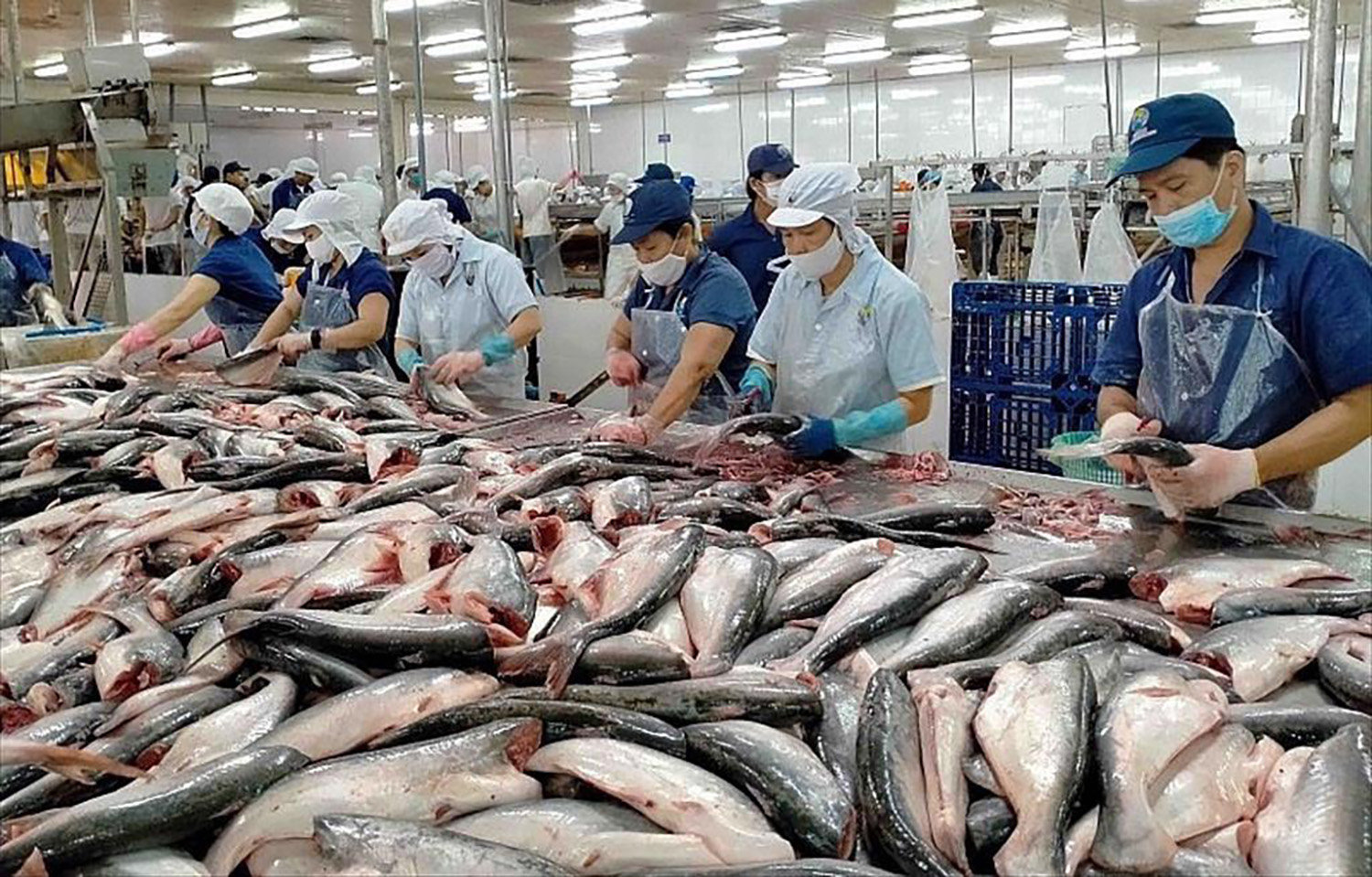
The Vietnam Association of Seafood Exporters and Producers (VASEP) has warned that pangasius from Vietnam is encountering growing competition from domestically farmed fish in China.
In two statements made near the end of 2024, VASEP said China, including Hong Kong, remained Vietnam’s biggest pangasius importer in the first 11 months of 2024, buying over USD 500 million (EUR 485 million) worth of the fish – up 1 percent year over year and accounting for 27.8 percent of Vietnam’s pangasius export value.
Though the market remained steady for Vietnam, VASEP has raised concerns that China is implementing plans to increase domestic production of its own pangasius to meet local demand and reduce imports.
Signaling China’s growing desire to farm pangasius domestically, Hainan Xiangtai Fishery, one of China’s leading tilapia exporters, has entered the pangasius business by building research centers, hatcheries, processing lines, and diversified product portfolios to gain market share in the pangasius supply chain in China.
As China’s production of pangasius focuses almost solely on domestic consumption, its imports of the fish will, therefore, decline, VASEP said.
The other threat to pangasius in China is snakehead, which is becoming more popular among Chinese consumers, according to VASEP. Production of snakehead has grown significantly in recent years, reaching an estimated 800,000 MT in 2024, surging nearly 270 percent from 2022 figures, VASEP said.
Compared with pangasius, Chinese snakehead has several advantages, such as greater familiarity with domestic consumers, frequent use within traditional dishes, and competitive prices.
“The scenario of China becoming self-sufficient in snakehead to gradually replace imported pangasius from Vietnam is a realistic possibility,” VASEP said.
Portions of Vietnam’s pangasius sales to China have already begun to suffer as a result, particularly within frozen fillets.
The export volume of frozen pangasius fillets from Vietnam to China dropped by 88.7 percent to 106,000 MT in 2023 from the 200,000 MT it shipped to China in 2020. This downward trend has persisted into 2024, with exports falling to 51,000 MT between January and August, VASEP said.
Besides competition, VASEP noted that the decline in China's pangasius imports could also be attributed to reduced consumer purchasing power in the country in recent years.
To alleviate the issue for Vietnamese farmers, VASEP is calling on the country’s pangasius industry to enhance competitiveness by improving product quality, reducing production costs, and strictly adhering to international food safety standards.
