




U.S. Senator Ed Markey (D-Massachusetts) blocked an attempt by U.S. Senator Dan Sullivan (R-Alaska) to quickly pass his Bycatch Reduction Act in the Senate.
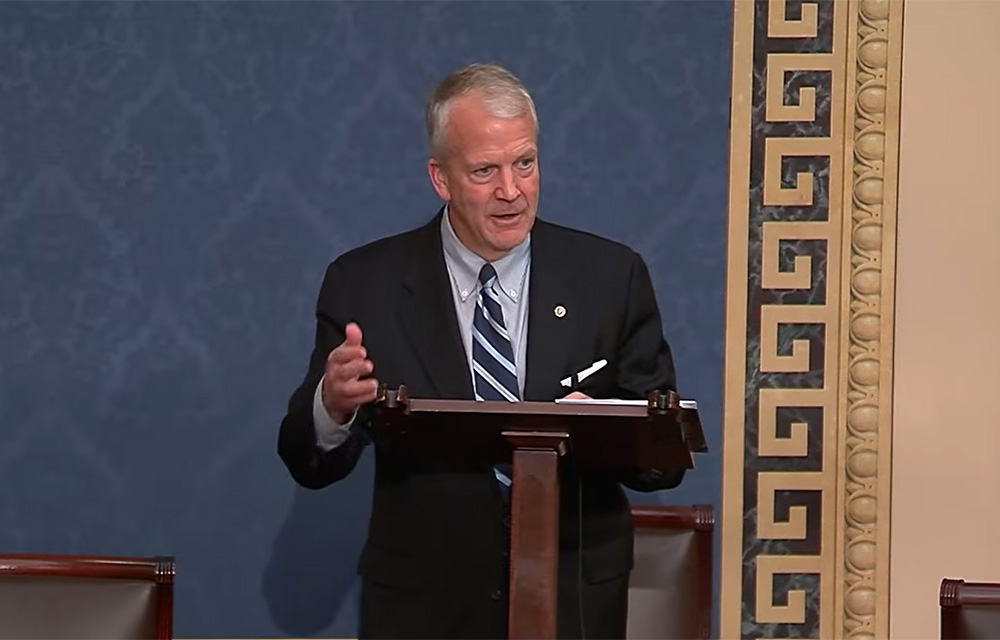
During remarks given on the Senate floor 23 September, Sullivan called on his fellow senators to pass his legislation, which calls for new trawling and bottom floor contact regulations and the implementation of salmon excluder devices for commercial fishing operations off the coast of Alaska in the Bering Sea. The legislation was first introduced at the beginning of the year, but Sullivan introduced an updated version with stronger provisions regarding bycatch and seafloor contact regulations in June. After the Senate Committee on Commerce, Science, and Transportation advanced the legislation earlier in September, Sullivan pushed to quickly pass the bill by unanimous consent.
“I rise today to pass my legislation, the Bycatch Reduction Act, which is the most comprehensive trawl bycatch reduction legislation ever to come before the United States Senate, ever to come before the Congress,” Sullivan said in his remarks. “It has a robust toolkit with several clear objectives. First, it establishes for the North Pacific Fishery Management Council standards and monitoring requirements and action and timelines to take action to reduce trawl gear contact with the sea floor and protect important marine habitats. Essentially, it requires proven tools, such as mandating certain technologies like salmon excluders on trawl vessels, to, again, reduce salmon bycatch.”
Markey, however, rose up in opposition to unanimous consent, arguing that he needed more time to consider the legislation before voting.
“Though this bill is primarily focused on addressing bycatch in the Northern Pacific fisheries, Alaska, we still have questions in Massachusetts about how this bill will affect fisheries that expand beyond the Northern Pacific,” Markey said. “Since this bill includes language that would direct new regulations across fisheries, I owe it to my constituents in Massachusetts to talk directly with the fishermen and fishing organizations in Massachusetts that could be affected by any changes, and they will need the time just to make sure any modifications that are needed would be included in the legislation.”
Sullivan expressed frustration with Markey’s move, claiming his bill would have no impact on Massachusetts.
“I am disappointed in my good friend Senator MARKEY of Massachusetts. He and I have worked on, actually, a lot of fisheries issues together. He is right; Massachusetts and the state of Alaska have important fisheries interests. This one, fortunately, doesn’t impact Massachusetts at all; it is solely confined to the North Pacific area,” Sullivan said. “So I am a little disappointed that he is not moving forward.”
This isn’t the first time that Markey, who represents a large portion of the New England commercial fishery, has blocked Sullivan’s efforts to quickly pass fisheries legislation. In 2022, Alaska lawmakers attempted to pass the U.S.-Russian Federation Seafood Reciprocity Act, which would have placed a ban on Russian seafood imports. Markey, who represents many New England seafood processors that rely on imported seafood, stood up and blocked the legislation.
“I have heard from seafood processors in my home state with concerns about potential sudden effects of a new immediate ban on imports on their workforce, including hundreds of union workers in the seafood processing industry,” he said. “And that would be right now.”
While that bill died in Congress, Sullivan met with U.S. President Joe Biden about a ban shortly thereafter, and the president enacted an embargo on Russian seafood 11 March 2022.
