



Animal Outlook, an animal rights group that has filed formal complaints against Cooke Aquaculture’s Bingham, Maine, U.S.A.-based aquaculture facilities in the past, has submitted a petition to the state’s government to create salmon welfare standards.
The citizen petition, filed with the Maine Department of Agriculture, Conservation, and Forestry (DACF), calls for the adoption of comprehensive best management practices (BMPs) to protect farmed fish in the state’s aquaculture industry. Animal Outlook said the petition has been supported by local groups like Greenhorns, Protect Maine's Fishing Heritage, and Friends of Merrymeeting Bay, as well as the Aquatic Life Institute and the Aquatic Animal Accountability Project. It said the rules would be the first enforceable animal welfare standards for farmed fish in the U.S.
"Maine citizens must demand accountability from industrial aquaculture operations,” Severine von Tscharner Fleming, the director of Greenhorns, said in a release. “Proposed science-based BMPs are a commonsense step toward ensuring that if we're going to have aquaculture in Maine's waters, it must meet the ethical and ecological standards our communities deserve. This citizen petition reflects the kind of grassroots leadership that's always driven real change in Maine agriculture."
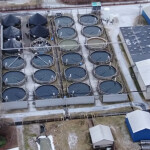
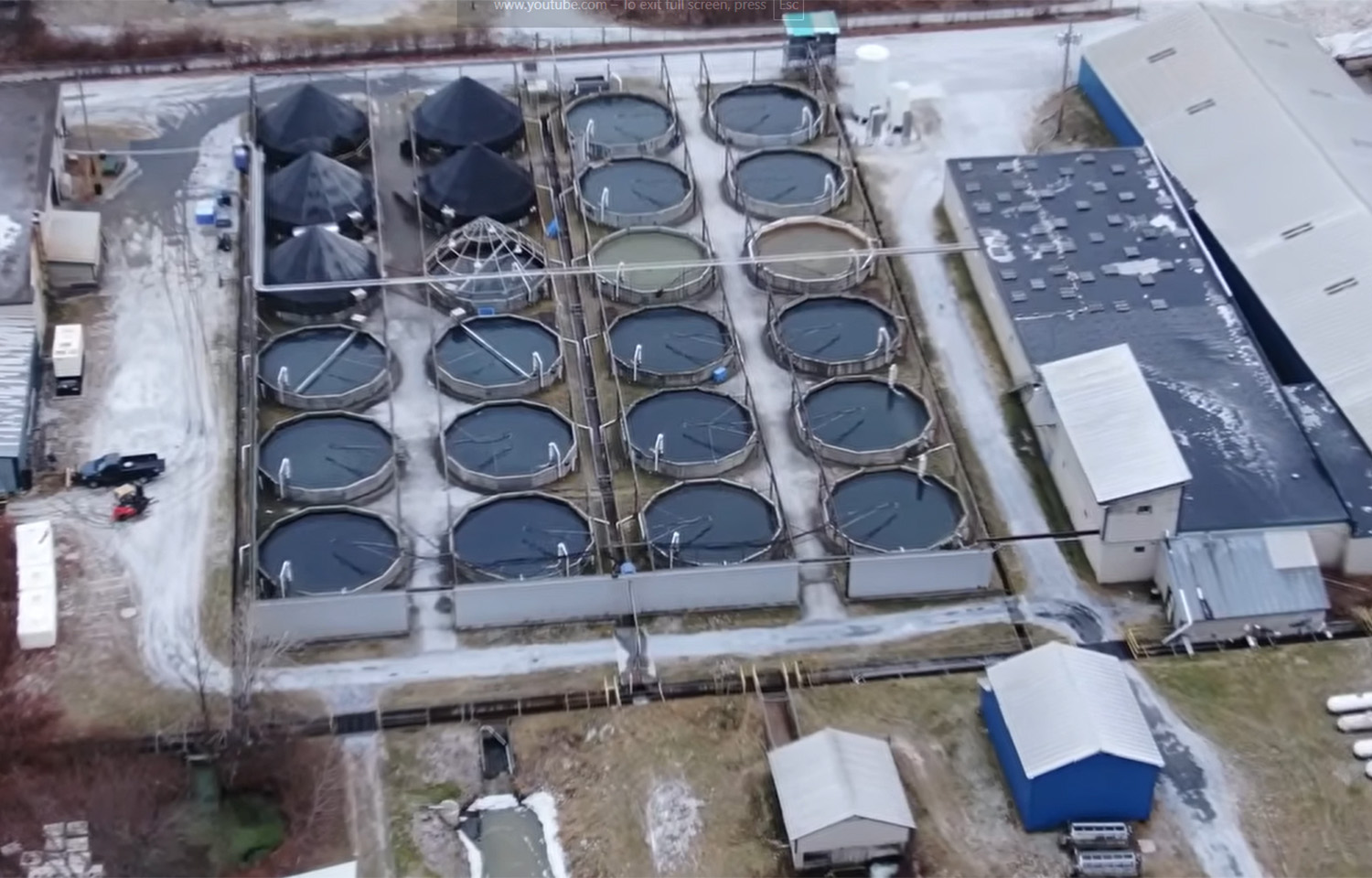
Animal Outlook said the petition was in part a response to its own documentation of alleged animal cruelty at the Bingham-based facility operated by Cooke Aquaculture.
"Maine is investing millions of dollars to become a global leader in aquaculture, yet the state has essentially no protections in place to prevent cruelty to the millions of fish being raised in these facilities," Animal Outlook Executive Director Ben Williamson said in a release. "When we returned to the same facility six years after our first investigation, the cruelty was just as pervasive. Workers were even joking about the 2019 investigation and discussing how the company doesn't care about fish health. Maine voters are demanding change."
Animal Outlook said the BMPs would include zero tolerance for abusive practices, such as throwing conscious fish, striking them with inappropriate tools, and leaving them to asphyxiate; humane handling requirements; mandatory reporting requirements; mandatory training for biosecurity; daily welfare monitoring with veterinary oversight; and more.
Under Maine’s Administrative Procedure Act, when 150 or more registered voters submit a verified petition, rulemaking proceedings begin within 60 days.
Those proceedings also come with a number of requirements, such as public hearings and a lengthy input process. One of the caveats included in the Administrative Procedure Act is a requirement to reduce economic burdens “through flexible or simplified reporting requirements” and built-in requirements to address impacts to business.
Cooke Aquaculture, in response to the petition, pointed out Animal Outlook’s ties to corporations and individuals with a vested interest in plant-based vegan manufacturing, something SeafoodSource reported on in 2019. According to its nonprofit filings, Animal Outlook – which was formerly known as Compassion over Killing – is tied to VegInvest, a fund that has backed seafood analog companies including New Wave Foods, Good Catch Foods, and BlueNalu.
“In fact, Animal Outlook’s board chair stepped down recently after an investigation discovered she was also the managing director of a venture capital firm that funds plant-based and alternative protein companies,” a Cooke spokesperson told SeafoodSource.
Cooke also said the Maine salmon aquaculture industry is already highly regulated.
“The sector operates under strict state and federal oversight. More than a dozen state and federal agencies are involved in the siting, leasing, and permitting of aquaculture operations,” the company said. “In addition, Maine salmon farms, hatcheries, and processing plants are subjected to independent audits through the Best Aquaculture Practices (BAP) certification program, which features internationally recognized standards for environmental and social responsibility, food safety, and animal health and welfare.”
