


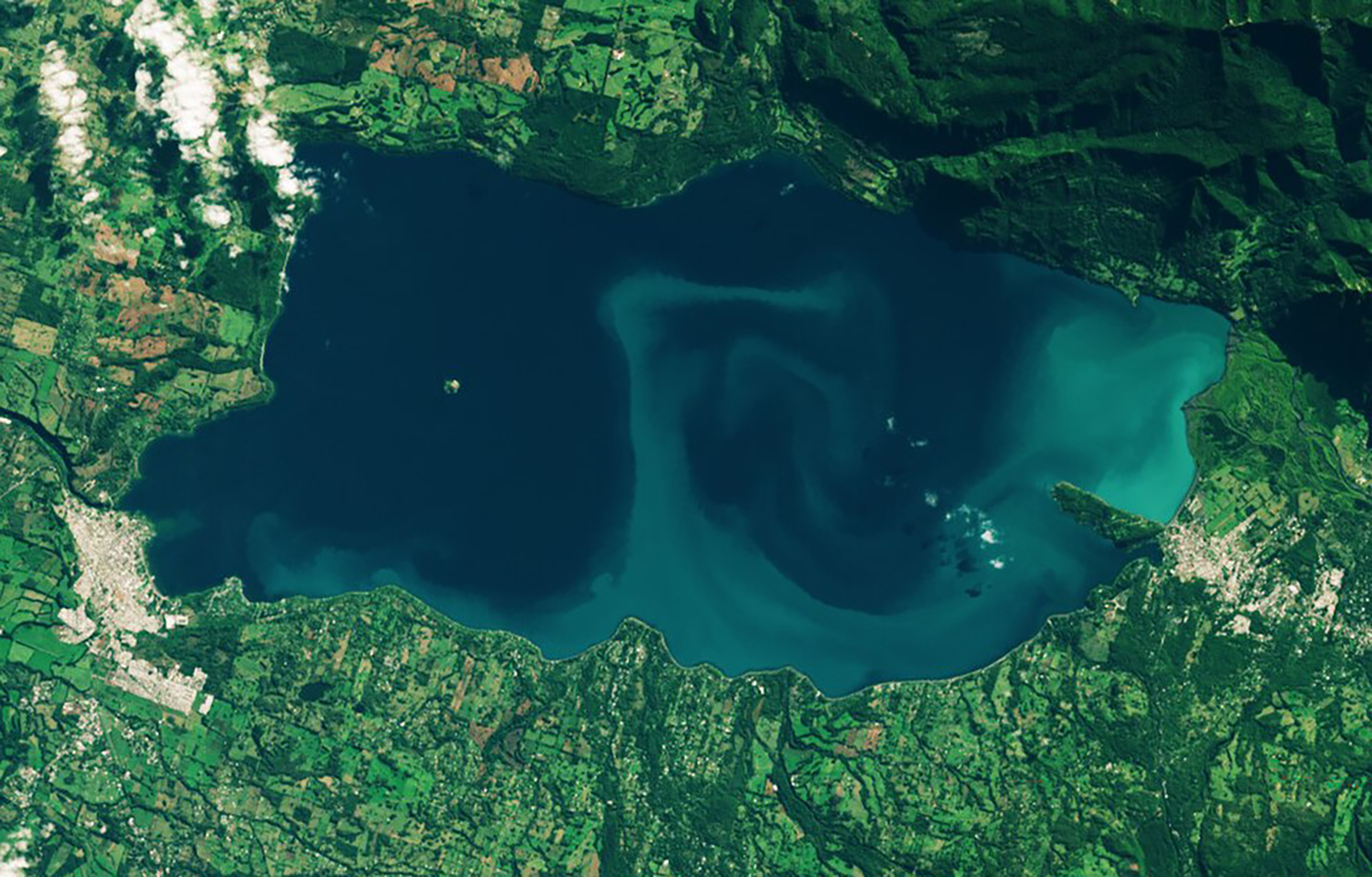
Chile’s government has declared a preventive emergency in 15 regions of the country in a proactive response to the threat of harmful algal blooms and their possible consequences on people's health, the environment, and economic activities such as aquaculture and fishing operations.
The measure will come into force on 1 November and last until 30 June 2027.
"The objective of this measure is to strengthen the state's prevention and response capacities in advance, considering the risks associated with the evolution of the El Niño phenomenon during the 2026-2027 season,” Los Lagos Regional Presidential Delegate Cristián Palma said in a release. “We visualize this possibility in our region of Los Lagos, and we have been working for several months through the institutions that make up the Inter-Institutional Committee for Environmental Contingencies (CIICA) regarding the different variables in which harmful algal blooms can affect the population.”
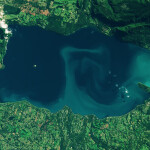
According to the decree, in certain regions, variations in oceanographic conditions could favor the advent, persistence, or expansion of harmful algal blooms; however, their location, intensity, and duration cannot be accurately predicted, making it necessary to monitor and prepare response capacities in a timely manner.
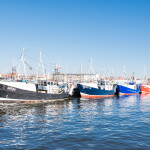
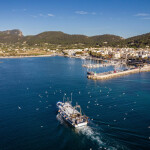
In the productive sphere, algal blooms can affect artisanal fishing, aquaculture, the processing and sale of seafood products, and other economic activities and the communities that depend on them.
In this context, the preventive emergency declaration will enable monitoring reinforcement, information exchange between agencies, preventive communication, and the preparation of contingency resources.
The country’s National Disaster Prevention and Response Service (Senapred), in coordination with relevant technical agencies and sectoral authorities, will be in charge of executing these actions in accordance with the evolution of risks identified in each region.
Relevant authorities will adopt health decisions, extraction prohibitions, and control measures aligned with their powers and technical background.
The move builds upon measures already taken up by Chile’s salmon-farming industry, which has been on high alert for these events ever since the threat of El Niño appeared.
The Chilean Salmon Council, for example, has stressed the importance of anticipating possible consequences through technological development, permanent monitoring, and close coordination between the public and private sectors.
“Technological development, satellite-oceanographic sophistication, and the technology that the salmon-farming industry has today allow us to better face what we are experiencing with the El Niño phenomenon,” Salmon Council Executive President Loreto Seguel said.
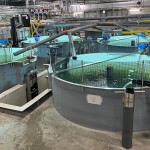
Meanwhile, trade organization SalmonChile has organized visits with labor and environment authorities to different processing facilities for information exchange on the different stages of operations and to analyze the challenges that could arise in the event of a contingency, with special attention paid toward the safety and working conditions of employees.
