





After the filing of another seafood greenwashing lawsuit recently, suppliers, retailers, and restaurants are yet again evaluating the best ways to market their products.
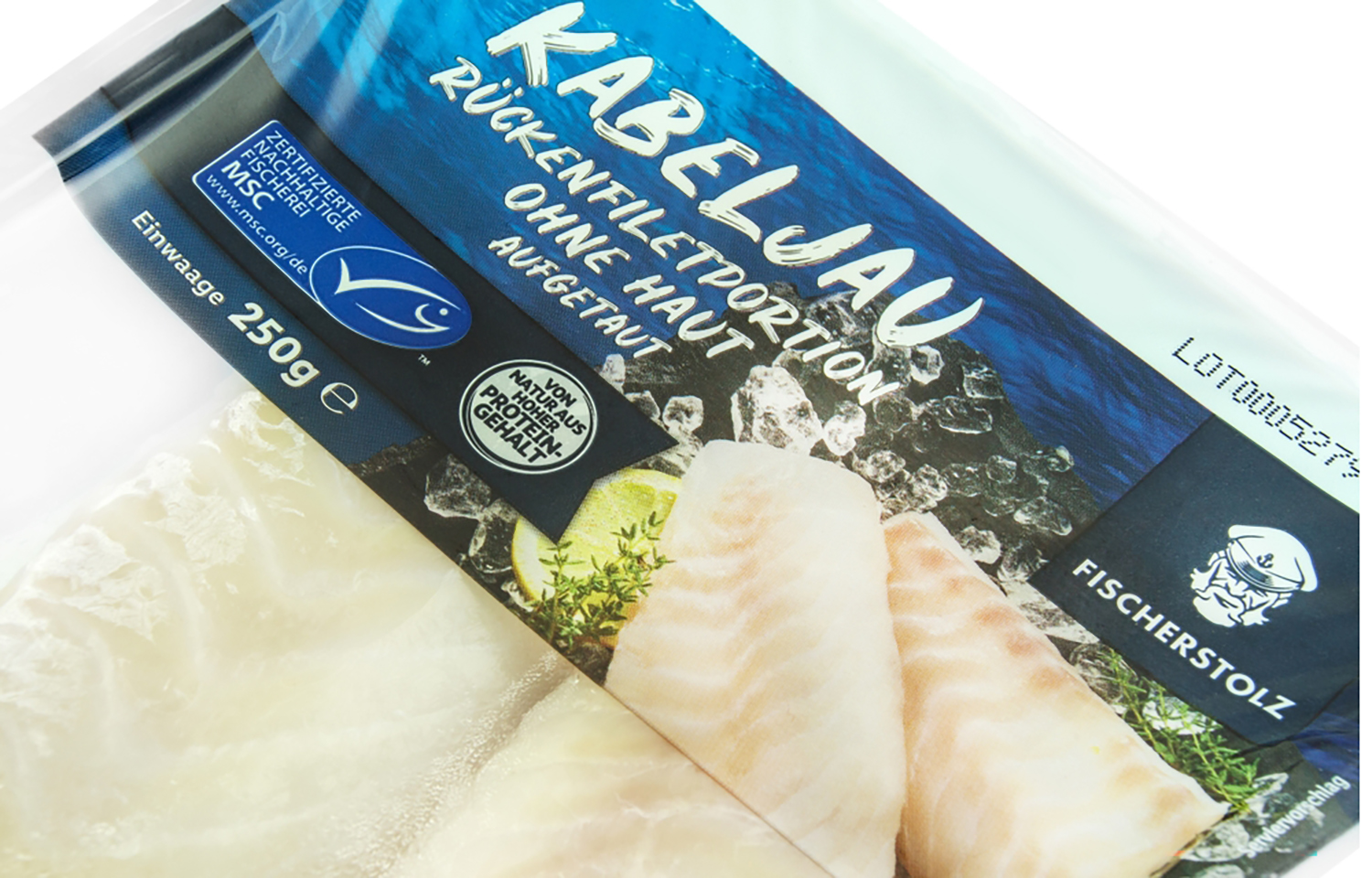
In late July, a class-action lawsuit was filed targeting retail giant Amazon, alleging that several seafood brands selling on the platform and associated retailers misleadingly use sustainability claims on several products bearing Marine Stewardship Council (MSC) certification.
The suit has dragged the issue of whether seafood brands are overreliant on certifications when marketing their products back into the spotlight, and according to Arlin Wasserman, the founder and managing director of food strategy consultancy firm Changing Tastes, it’s not just U.S. rules and litigation that suppliers must be wary of.
Wasserman said the Empowering Consumers Directive (ECD), which is part of The European Union’s Green Deal and goes into effect on 27 September, includes a host of new rules aimed at eliminating unsubstantiated greenwashing claims in the E.U. market, explaining that the certification landscape as a whole needs reform as regulations grow more stringent.
“The entire eco-community is at substantial risk if MSC doesn’t reform,” Wasserman told SeafoodSource. “MSC is the most widely used [seafood sustainability certification]. If its use becomes suspect, I don't see retailers moving toward another certification.”
Wasserman said one particular aspect of MSC certification that requires reform is the fact the council grants producers and manufacturers the use of its eco-logo with the promise of meeting conditions at some point in the future. Products carrying other food industry certifications, meanwhile, including organic, kosher, and gluten-free, already meet the conditions they outline.
“I don’t think our industry gets how much the use of an eco-logo today with the intent that all conditions will be met later literally [is] greenwashing,” he said. “It's not up to the consumer to look through and see if all the conditions have been met.”
Wasserman said one possible remedy to the issue would be a two-tiered certification system from MSC, the top tier of which includes a logo that signifies a certain product has already met all MSC requirements and a second tier indicates the company is working toward improvements but has not satisfied all criteria.
MSC US Program Director Laura McDearis told SeafoodSource that brands should continue to feel confident whenever they put MSC’s blue tick logo on their products, even though she understands companies may grow wary of certifications in the wake of such lawsuits as the recent one against Amazon.
To that end, she said that MSC inclusions in past sustainability labeling lawsuits have been thrown out by judges who have confirmed the certification and what it claims to represent are accurate and verifiable.
For instance, in a ruling about a settled lawsuit against Conagra, U.S. District Judge Virginia Kendall said the MSC certification “is not a description of a false, deceptive, or misleading statement about the product.”
“The Blue Tick does exactly its purpose: The product is MSC-certified,” she said. “That label is not a lie nor is the phrase ‘Certified Sustainably Sourced’ deceptive. Given its positioning right next to the Blue Tick, a reasonable consumer would not construe the phrase to be an independent advertisement from Conagra. Rather, it repeats Blue Tick’s messaging that MSC certified the product as sustainably sourced.”
McDearis said that ruling was “a really positive thing” and chalked some of the backlash to the fact “the U.S [is a] very litigious landscape.”
“Nothing protects companies from having a lawsuit; the question is whether it will be successful,” she said, further explaining that when a company settles out of court, the public may assume it represents guilt. “Sometimes, it is an unfortunate decision that it is a cheaper path … not an admission of guilt.”
While MSC has not made changes to its program as regulations have grown more strict, McDearis said it recently underwent a thorough legal review and added the statement that it is an environmental organization to its packaging claims due to ECD requirements.
“There are specific requirements for companies based in the E.U. or that sell into the E.U.,” McDearis said. "They can’t make generic claims that something is responsible or sustainable without being more explicit about what that covers.”
Samantha Bietsch, an expert in consumer behavior and greenwashing and a professor within the American Public University system, said that a portion of the problem relates to the ambiguity around claims on packaging and that brands should be more specific if they want to avoid consumer confusion and possible litigation.
For example, Biestch explained that rather than a generic statement about enhancing efforts to reduce waste, a company could specifically highlight the fact it cut down on waste by 10 percent over a certain time frame.
“Consumers relate numbers to real action,” she said, adding that there is a lot of research showing most consumers don’t understand certifications in general and what the terms “sustainable” or “sustainably sourced” mean.
McDearis said that is exactly where partnering with a third party like MSC can be helpful.
“Our advice to partners and industry members is that it can be difficult to vet all of your sustainability claims, [so] one of the best things to do is partner with a third party. They can verify all your claims,” she said.
McDearis acknowledged that headlines about lawsuits can be “scary” but warned that turning away from certifications completely could turn off consumers.
McDearis referred to a newer concept dubbed “greenhushing,” which means that some companies are choosing not to talk about their sustainability work publicly because they are concerned about potential litigation.
She pointed toward the 2025 Edelman Trust Barometer Report to explain the problem with this strategy, which found that 53 percent of consumers think that if a brand is silent about its environmental efforts, it is not doing anything or is hiding something.
“When companies don’t talk about what they are doing, it doesn’t produce the shared collective of the work that is happening across the globe,” McDearis said.
