





A Canadian fisheries advocacy organization is calling on the country’s government to keep inshore harvesters in mind when developing offshore wind projects.
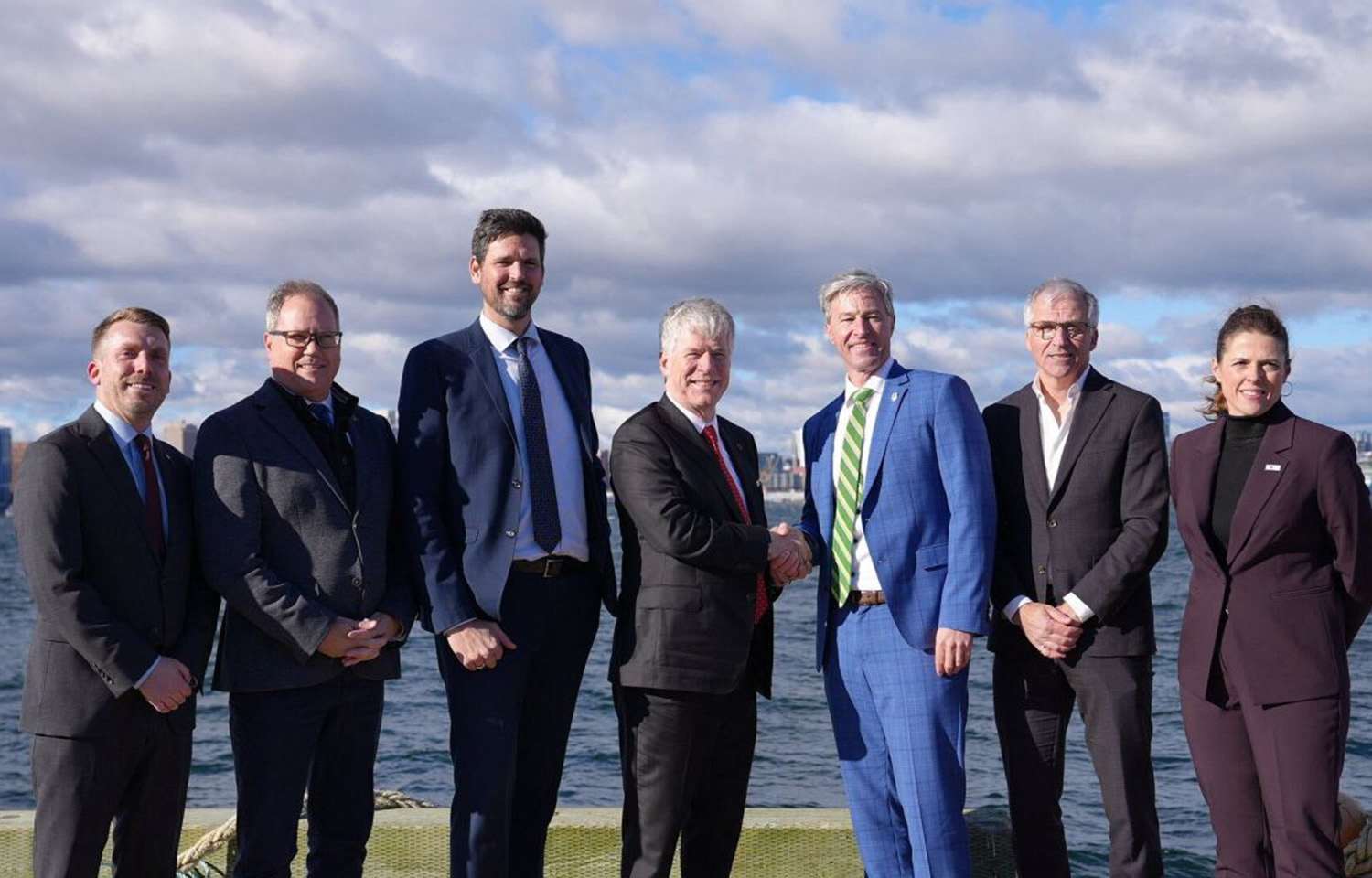
The Maritime Fishermen’s Union (MFU), which represents over 1,300 independent, inshore fish harvesters in the provinces of New Brunswick and Nova Scotia, called on the government to explain how it plans to protect existing fisheries in light of its plans to advance offshore wind. Canada’s Federal Energy Minister Tim Hodgson announced the government is committing CAD 100 million (USD 71.5 million, EUR 64.1 million) toward the “Wind West” offshore wind project in Nova Scotia on 15 October, signaling its support for the project.
According to Natural Resources Canada, the project will support collecting data to support regulatory reviews and project development.
If Wind West is approved, the first phase will comprise a CAD 60 billion (USD 42.9 billion, EUR 38.5 billion) offshore wind installation that could produce up to five gigawatts of electricity as early as 2033, according to a report by the CBC.
The announcement came the same day the government announced an additional CAD 300 million (USD 214 million, EUR 192 million) for the Atlantic seafood sector over the next five years. The MFU said the funding will help with infrastructure and market diversification, but can’t replace a loss of fisheries access.
“Renewing the Atlantic Fisheries Fund is welcome, but government cannot invest in the future of fishing businesses while putting the foundation of those businesses at risk,” MFU Executive Director Martin Mallet said. “Before committing further public money to offshore wind, Ottawa must publish a transparent comparison with onshore wind and hydroelectricity from Quebec and Labrador, including availability, transmission costs, reliability and potential losses to fisheries. If better options can meet our energy needs without displacing fishermen, those are the options government should pursue.”
The MFU argued that any potential gains for the wind industry must account for disruptions to the existing fishing industry, which could include the loss of fishing grounds, undersea cable routes, navigational risks, any increased operating costs borne by fishermen, and the possibility that displacing harvest from one area could adversely affect others.
“I have fished out of Port Morien for 35 years. Our fishing grounds are where we earn our living, and they are what we hope to pass on to the next generation,” Nancy Wadden, a fish harvester and member of the union, said. “Promises of future wind-industry jobs do not answer what happens to the families already working on the water. The government needs to protect those livelihoods before advancing ocean wind projects. If a project cannot protect the fishery, it should not be approved.”
MFU is calling on Canada’s government to provide a direct comparison of energy options, including offshore wind, onshore wind, and hydroelectric imports; a comprehensive impact assessment on fisheries developed with harvesters and covering wind projects, transmission corridors, and the cumulative effects of them; public disclosures of the economic case for wind including anticipated subsidies, financing risks, local employment benefits, and any costs existing industries may bear; and meaningful harvester participation before any key decisions.
Offshore wind and fish harvesters have had a tumultuous history on the Atlantic coast of North America. In the U.S., commercial fishers have sued to block wind energy installations off the East Coast of the U.S., including a lawsuit by Responsible Offshore Development Alliance which ultimately failed after the U.S. Supreme Court denied to hear an appeal to a lawsuit it lost.
The Maine lobster industry has also pushed back against offshore wind, and U.S. Representative Jared Golden (D-Maine) introduced a bill to block commercial development in an area frequented by lobstermen.
The administration of U.S. President Donald Trump has also taken a stance against offshore wind. Initially the administration paused wind projects off the East Coast via executive order, and after those efforts were stymied by the courts it moved to buying out developers, offering them money to consider other energy projects.
Offshore wind installations in the E.U. have also encountered conflicts with fishermen. In Ireland, the fishing industry pushed the government to switch to floating offshore wind farms to reduce disruptions, and in the U.K. the wind, aquaculture, and fishing industries have all pushed for greater government input and collaboration on how the three different interests can coexist.
