






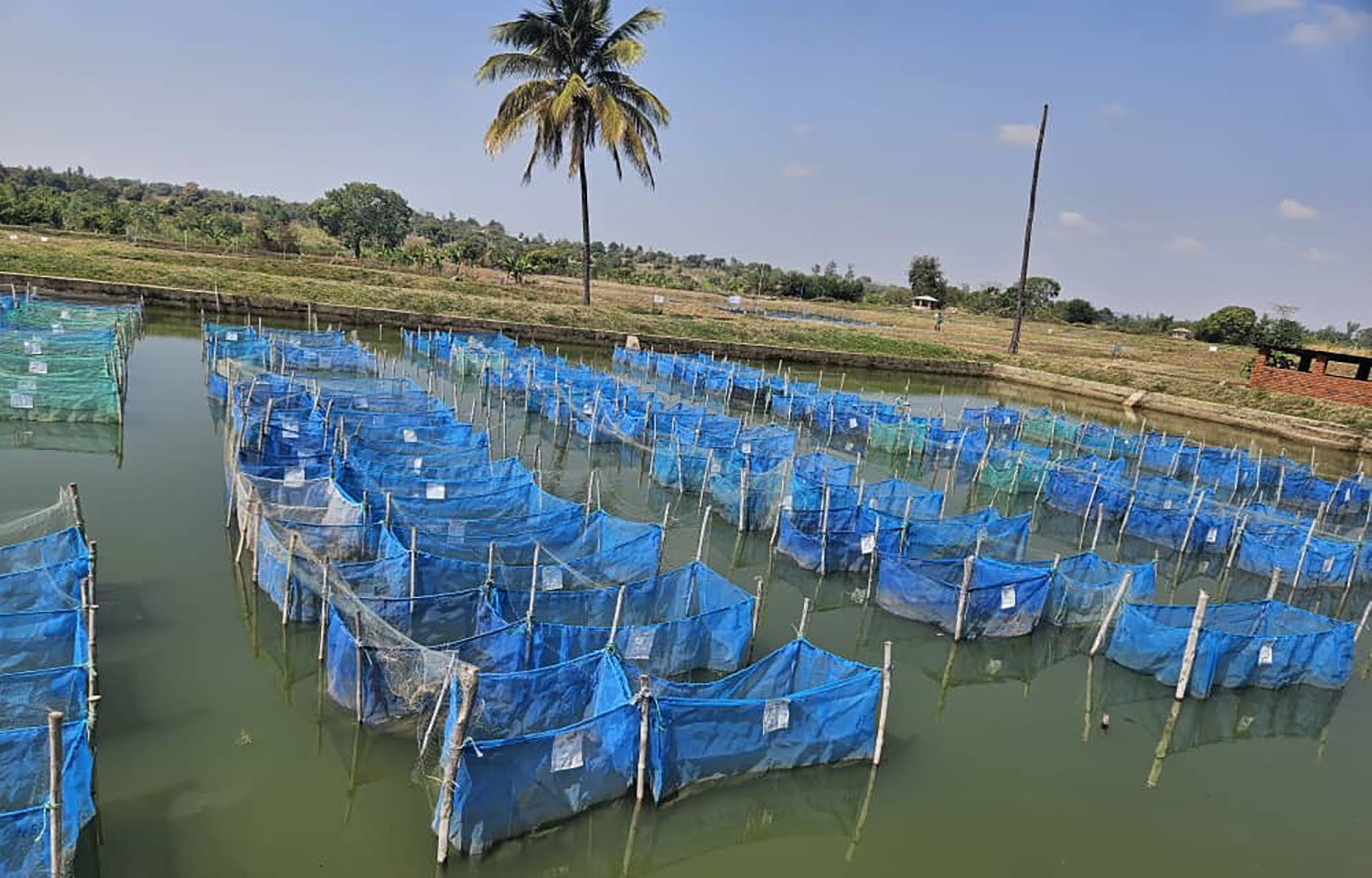
Seven countries in southern Africa are collaborating with Penang, Malaysia-based aquatic food systems research organization WorldFish on a project to improve the quality of native tilapia in the region.
Zambia, Malawi, Mozambique, Tanzania, Zimbabwe, Madagascar, and Comoros – all members of the Southern African Development Community (SADC) regional economic bloc – are implementing the initiative, which aims to reduce the prevalence of foreign-sourced varieties in the region’s aquaculture industry and ultimately increase overall production volumes of farmed fish while safeguarding local aquatic biodiversity.
The plan to improve tilapia genetics and ensure the competitiveness of the tilapia value chain was initially approved by ministers responsible for agriculture, food security, fisheries, and aquaculture in SADC countries in 2017.
Each of the participating countries has established a breeding plan for the genetic improvement program that would source tilapia seed from hatcheries that use indigenous wild stock as broodstock, ensuring that any fishery escapes limit effects on wild populations, among other benefits.
“The SADC region has seen a rise in aquaculture output, largely due to the use of non-native aquatic species, which poses a risk to the region’s biodiversity,” WorldFish Strategic Communications Specialist David Wardell told SeafoodSource.
Indigenous tilapia farming that is already taking place in the SADC region, meanwhile, has shown “poor productivity without genetic improvement, hindering its commercial use.”
Wardell cited the example of the Oreochromis shiranus tilapia variety in Malawi, and the three-spotted tilapia, or Oreochromis andersonii, in Zambia as indigenous varieties that have for a long time suffered from low yields and production. The problem is particularly difficult in a region where the fish supply deficit is more than 570,000 metric tons which has, among other supply chain effects, fueled overfishing of wild fish stocks.
“Enhancing these indigenous species is crucial for sustainable development and biodiversity conservation in southern Africa,” Wardell said.
Wardell said that the project would entail the “development of protocols for disease screening and genetic analysis, as well as the collection and management of founder broodstock.”
The project would also develop quarantine and disease-screening procedures, as well as the establish a breeding nucleus in each country with a functional hatchery that complies with necessary biosecurity measures.
Some steps of the project have already been taken. In late July 2024, WorldFish supplied fish hatchery equipment to Malawi’s National Aquaculture Center that serves as the breeding nucleus for the tilapia genetic improvement project in Malawi.
WorldFish is also providing technical consultancy services for the project, including the training of staff on requisite genetic tools and data management.
“Success of this project will be evaluated by analyzing the genetic gains and performance traits across each generation of improved fish,” Wardell said.
Wardell said other activities under the project include the production of a synthetic baseline population of the desired tilapia strains to assess their growth performance and genetic potential, as well as embracing mating strategies to produce the targeted improved fish generations.
Overall, the project is meant to be an improvement upon previous attempts to improve tilapia genetics throughout the continent.
One of those previouss projects was one WorldFish, among other institutions, approved. It involved transferring genetically improved farmed tilapia (GIFT) from Asia to Africa to improve the deteriorating performance of farmed Asian varieties produced in several regions.
The move triggered mixed reactions across the continent, despite the decision having been arrived at through “a logical scientific process,” according to a previous report by the African Union Inter-Africa Bureau for Animal Resources (AU-IBAR).
“While most fish farmers and development agents generally seemed to favor the new policy and its potential benefits toward increasing farm profits and reducing poverty, a number of scientists and conservationists spoke quite passionately against it, citing the potential negative genetic and ecological impacts of the introduction,” it said.
Some adverse ecological impacts of the GIFT project were reported in Madagascar, Lake Victoria, and Zimbabwe, with the introduction of the tilapia leading to “declines in aquatic plants and decreases in the availability of breeding areas for native species.”
Kenya also reported that after the establishment of tilapia in Lake Nakuru, a huge fish-eating bird population emerged.
Nevertheless, Wardell said the ongoing genetic improvement program in southern Africa relies on tilapia strains from within the SADC region “to protect the local environmental and genetic landscapes and to prevent the use of non-native species that could harm regional biodiversity.”
