






Appalachian Salmon has secured the key permits it needs for its plans to build a recirculating aquaculture system (RAS) to farm trout in the mountains of the U.S. state of West Virginia.
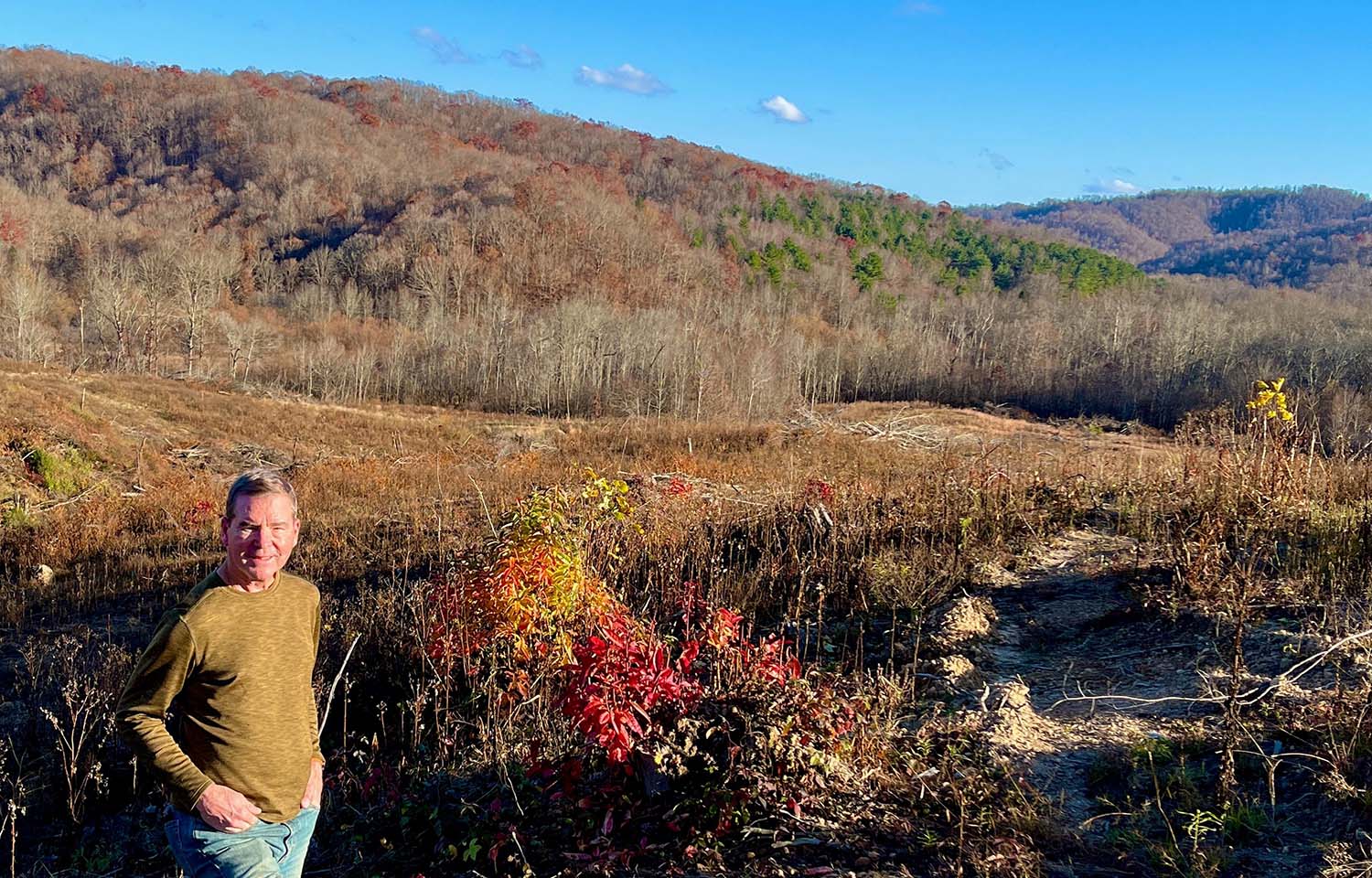
Appalachian Salmon plans to build its RAS on the site of the former Maple Meadow Mine in Fairdale, West Virginia, and use the area’s groundwater resources to farm trout. Appalachian Salmon Founder and CEO Austin Caperton told SeafoodSource that the former mine contains more than 4 billion gallons of fresh water, which can more than supply the estimated 3 million gallons a day the farm would need.
Caperton said the company has now secured an underground injection control permit, which allows it to discharge water used by the RAS system back into the mine. Caperton told SeafoodSource in 2022 the company’s use of underground water, as well as its discharging of water back underground, means it does not have to acquire the same stringent permitting and permissions that other RAS farms have in some cases been forced to fight for in court.
Caperton said discharging water into “waters of the United States” – a lake, stream, or the ocean – would require Army Corps of Engineers permission, but groundwater doesn’t fall under that jurisdiction.
The other major permit is a construction permit, which he said the company has also already secured.
The remaining permits include a National Pollutant Discharge Elimination System permit and a permit for any air pollution that a backup generator would produce.
“Those [permits] are very minor, and very gettable, well prior to operation,” Caperton said.
Appalachian Salmon was originally planning to farm Atlantic salmon at the facility but has since changed over to farming trout. According to Caperton, the decision was based on multiple factors.
“We’ve talked to so many people, and trout are easier to raise than salmon. Water temperature is not quite as critical,” Caperton said. “There’s also not that much difference per pound in price between salmon and trout.”
He said trout also grow quicker, are less susceptible to disease, and have lower start-up costs. West Virginia also has existing resources for trout farming, he added.
“We’ve been raising lots of trout in West Virginia for years. Most of it is flow-through, but we have expertise in raising trout,” Caperton said.
Caperton said that talking with aquaculture experts has also reinforced his decision to switch from salmon to trout.
“I haven’t talked to a single person that didn’t say it is a very smart move," he said. “We aren’t in the business to raise salmon, we’re in the business to make money, and we felt we had a better chance to make money farming trout.”
Caperton said the company will build its RAS facility in modules, meaning if the company sees an economic case for raising salmon, it can do so alongside its trout farm.
Now that the company has a business plan and permits in place, it needs to secure funding for the project. The company still has access to USD 5 million (EUR 4.5 million) thanks to a grant from the state of West Virginia, but the total project will cost between USD 75 million and USD 80 million (EUR 68 million and EUR 73 million), Caperton said.
“We’ve been trying to do everything we can to raise the capital,” Caperton said. He said with the latest permit, the company has everything it needs to start construction and a site it can use for decades.
“The water is just sitting there waiting,” he said.
