






Shareholders allied with activist groups criticized Australian supermarket chain Coles at its 10 November Annual General Meeting for sourcing salmon farmed in Tasmania’s Macquarie Harbor.
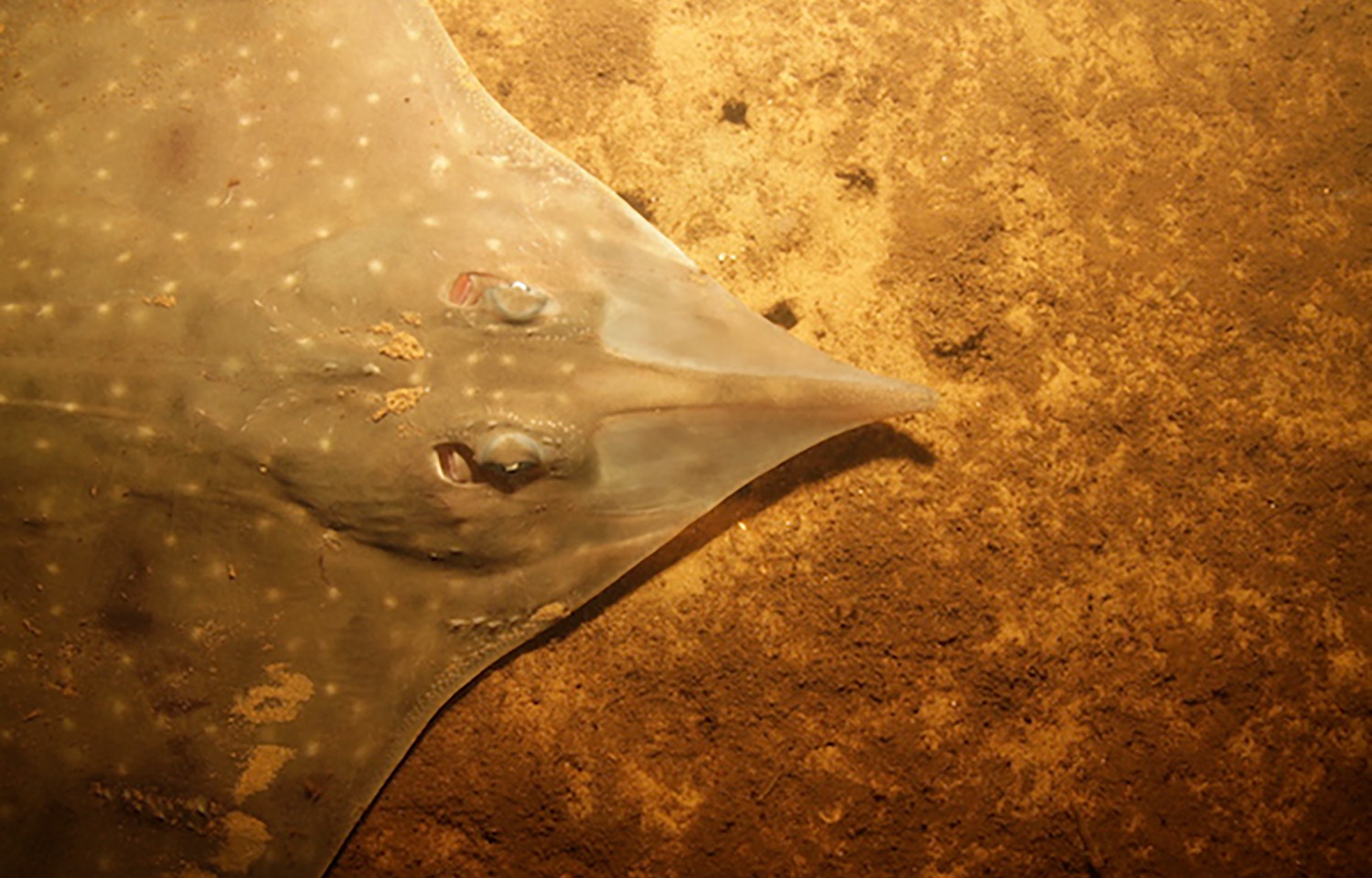
Macquarie Harbor has been at the center of disputes about salmon farming in Australia due to the presence in the harbor of the Maugean skate, a ray-like fish that is endemic to the area.
Environmental groups and scientists alike have linked the species’ decline to the presence of aquaculture in the harbor, though a recent study showed that more juvenile skates were surviving into adulthood, a sign that conditions for the species may be improving.
The shareholder criticism was aimed at pressuring the supermarket chain to change its salmon sourcing, and was the latest effort in a long-term campaign that has sought to use shareholder pressure to force Coles and Woolworth’s – the other leading Australian supermarket chain – to stop selling salmon farmed in the Harbour.
Though shareholders have often voted for sourcing changes in considerable minorities, so far those efforts have been unsuccessful. A similar attempt was made against Coles in 2024, and was voted down.
In a release about the criticism, Environment Tasmania emphasized that various stakeholders – including science leaders, representatives of Aboriginal communities, and young people – had come together to work on the campaign.
Heath Country Services and Consulting founder and Coles shareholder Lyndon O’Neil, a Palawa man, said that he expected Coles to respect Tasmanian heritage.
“Coles has positioned itself as a leader in responsible sourcing and sustainability,” he said. “As a company with strong ties to the Tasmanian community, we carry a responsibility to the waters and landscapes that gave rise to our brand … If we continue to sell salmon farmed from Macquarie Harbour, we undermine that promise.”
Neighbours of Fish Farming marine campaigner Lilly Henley said “Coles has a choice: stand with the industry, or with the people and places of Tasmania.”
Environment Tasmania also issued a related release on 10 November in response to the Tasmanian Department of Health’s warning to fishers not to eat animals caught near salmon pens where fish had been fed antibiotic medication in their feed.
The warning urged recreational fishers to use caution about consuming fish that might contain antibiotic residues, reminding the public that “Antibiotic-resistant germs are a serious contemporary health problem,” and that limiting undue exposure to antibiotics was a means of combatting it.
Environment Tasmania’s Rebecca Howarth questioned the government’s approval of the antibiotic in question.
“The approval of florfenicol raises deeply concerning questions about its unknown impacts on Tasmania’s marine environment,” she said.
Environment Tasmania’s Jess Coghlan, who works explicitly on the Save the Skate Campaign, said that the public warning suggested that "The future of recreational fishing and use of our public waterways is looking bleak.”
“Fishers and families out for a weekend catch should not have to be on high alert all summer for antibiotics notices. These are Tasmanians' public waterways and if what happens within leased areas cannot be contained, then it simply should not be allowed by the regulator," she said.
"The use of Tasmanian public waterways are intrinsic to our island life and they should be healthy. Mismanagement of disease and intensively farmed introduced species such Atlantic salmon is an issue that must be addressed and remedied, not medicated at the expense of our precious waterways and marine life."
