






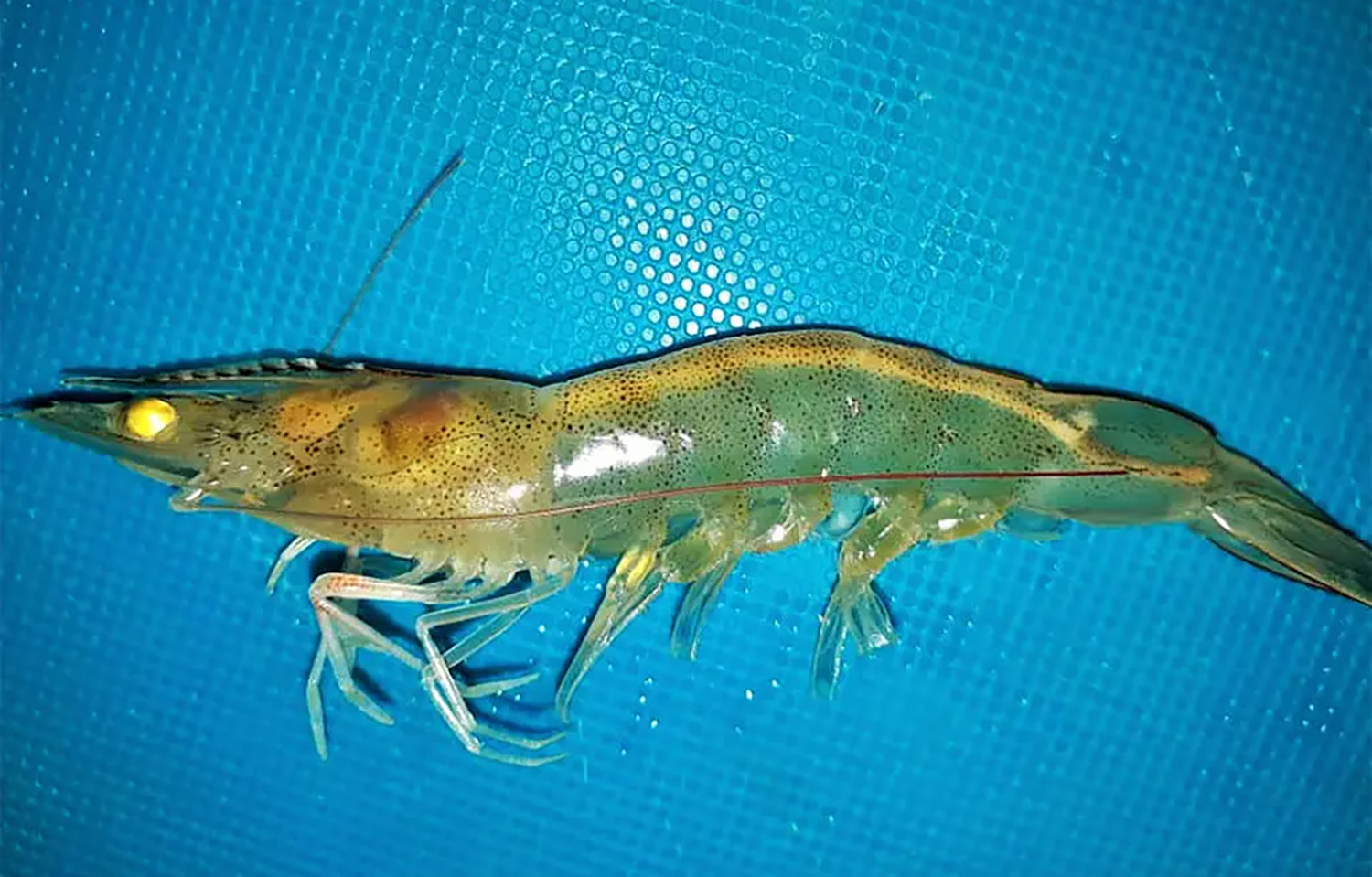
Keeton Industries, a manufacturer of targeted probiotics and aquaculture systems for shrimp farming, freshwater and saltwater fish farming, has begun a long-term study of the microbiomes within shrimp pond water infected with White Feces Syndrome (WFS).
The goal is to collect microbiome data from WFS-infected ponds in order to determine the triggers for microbial changes in a shrimp grow-out pond.
“This knowledge would allow the development of probiotic treatment regimens to maintain microbial diversity in the pond and the shrimp,” Keeton Industries President Luke Keeton said in a paper prepared for the recently held AquaExpo conference, which took place at the end of October in Guayaquil, Ecuador.
Appearances of a newer form of WFS were first recorded in 2010 in Thailand and has affected Southeast Asian producers for years. The disease wreaks havoc on the digestive systems of shrimp and is believed to be associated with pollution and excess algae, which lead to bacteria blooms on pond bottoms.
According to Keeton, who took part in a presentation entitled “WFS is an emerging disease of concern to the Ecuador shrimp industry,” WFS normally occurs between 40 and 50 days of stocking and mostly affects adult shrimp.
Shrimp affected by WFS – which can be identified by the presence of floating white fecal strings in grow-out ponds – may suffer from loss of appetite, a white or empty midgut, reduced growth, a loose exoskeleton, and chronic mortality.
According to Ecuadorian larviculture and shrimp-farming company Grupo Almar Animal Health Manager Luis Fernando Aranguren, who took part in a presentation entitled “Effect of environmental parameters on disease distribution in shrimp farming" at AquaExpo, conditions such as pond water temperature and salinity play an important role in maintaining shrimp well-being.
Temperatures that are too high can favor the replication of bacteria, while low temperatures can increase the incidence of viral pathogens. On the other hand, some pathogens thrive in high-salinity environments, while other bacterial agents are restricted to freshwater or low-salinity environments.
“Control of these environmental parameters is difficult to achieve in most cases under the shrimp-farming scheme in Latin America. However, it is essential to take these variables into account in order to identify and manage health risks that may occur in shrimp production,” Aranguren said.
Grupo Almar is a group that comprises the larva and shrimp-farming firms Produmar, Limbomar, Biogemar, and Produpesada. In October, Limbomar began production at a new USD 40 million (EUR 37 million) shrimp farm.
