






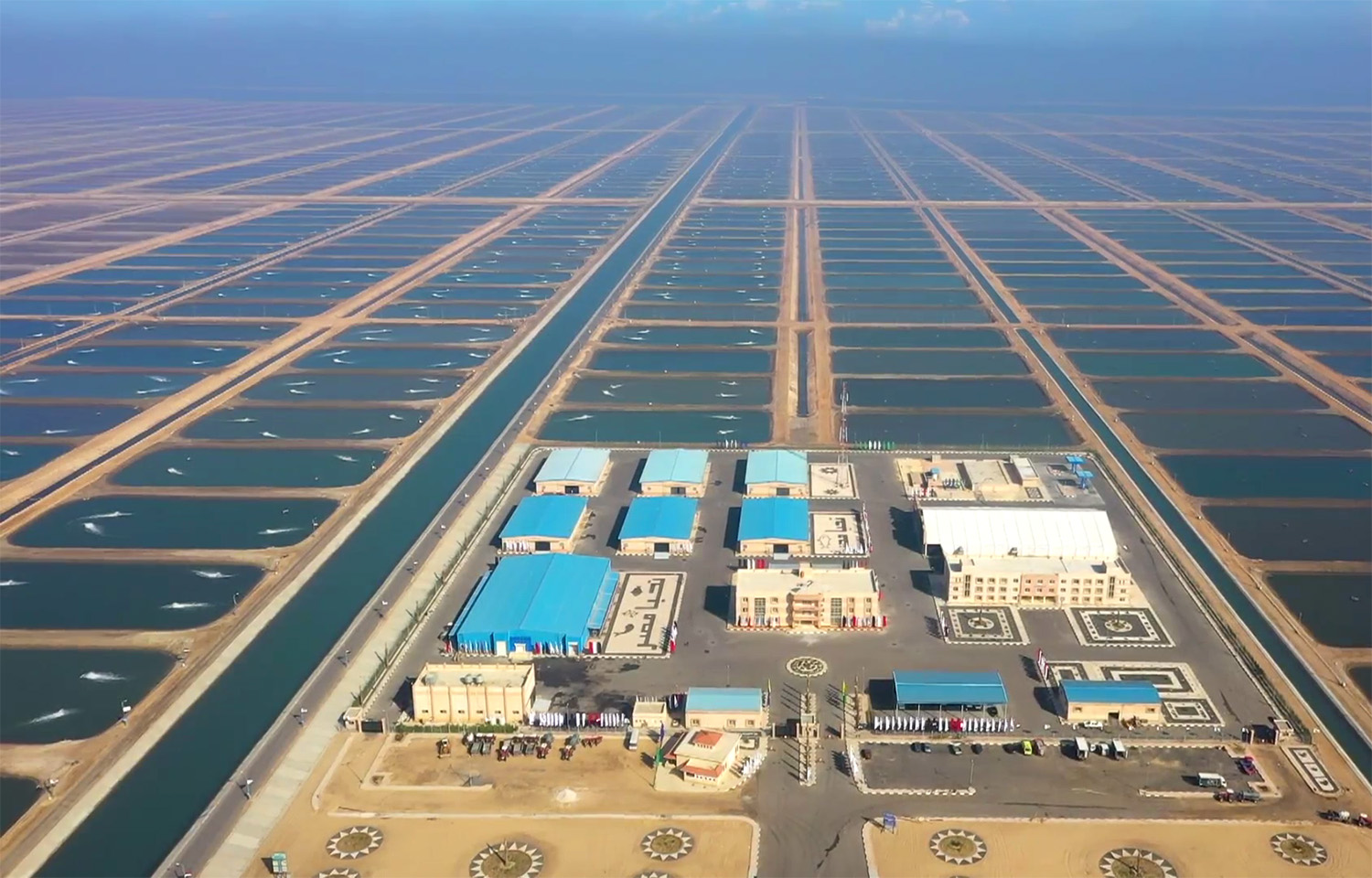
The growth of Egypt’s aquaculture industry and, therefore, the country’s seafood consumption have been hampered by high inflation, according to the U.S. Department of Agriculture (USDA).
According to a recent USDA analysis of Egypt’s aquaculture market, surging inflation is the main reason for a 45 percent increase in fish and seafood prices between 2022 and 2024 that has suppressed Egypt’s fish consumption per capita by 13 percent in 2022 and 13.4 percent in 2023 compared to 2021 consumption levels.
USDA said starting in 2022, Egyptian aquaculture operations, which account for 80 percent of the North African country’s fish output and 67 percent of Africa’s aquaculture output, respectively, began to suffer from “shortages in foreign currency, which inadvertently produced high inflation rates.”
The high inflation triggered a spike in raw input prices, with feed becoming harder to source, “which inadvertently affected the production of fish,” according to the USDA.
“Foreign exchange remains an issue in Egypt and other countries that rely on any form of imports to support their aquaculture industries,” Food and Agriculture Organization Senior Advisor Lahsen Ababouch told SeafoodSource. “In the case of Egypt, the country relies on imports to meet its fish feed demand that is estimated at 1.3 million metric tons [MT].”
The issue of inflation does not seem to be going away, though it has recently slowed compared to last year’s levels.
Government reports indicate year-over-year headline inflation in Egypt fluctuated in the second half of 2024 between 24 percent and 26.5 percent. For the first three months of 2025, headline inflation declined from 24 percent in January to 13 percent in February before it slightly spiked again in March to 14 percent.
Despite the adverse effects of inflation on aquaculture in Egypt, the country’s seafood production has remained high compared to other African countries.
“Egypt, unlike other African countries, particularly in Sub-Saharan Africa, is a major player in the continent’s aquaculture production, estimated at 70 percent, despite the challenge of the country being arid and relying on the Nile River for its water supply,” Ababouch said. “One of the key drivers of high aquaculture production levels is the high domestic demand for seafood in Egypt’s domestic market.”
Annual seafood consumption in Egypt is estimated at 21 kilograms per capita, compared to a continent-wide average yearly consumption of 9 kilograms per capita.
“The government of Egypt, at the highest level, has taken aquaculture very seriously by enacting conducive fish-farming policies and relevant regulatory institutions to support production since 2000,” Ababouch said.
Though inflation has hampered growth, the USDA predicts that “population growth and gradual economic recovery” will be enough to combat those issues and grow Egyptian fish-farming production. The department said aquaculture growth may also be driven by the utilization of new feed, innovative production technologies, water efficiency innovations, and incorporating best farming practices and standards nationwide.
The highest aquaculture production is expected from the country’s traditional fish-farming regions, especially Kafr El-Sheikh and Sharqia, which together account for 70 percent of the output from fish farms mainly producing Nile tilapia, mullet, and carp.
Problems besides inflation remain for the industry, however, such as water scarcity, difficulty in applying biosecurity measures, a lack of processing facilities, a need for more packing and freezing capacity, and fish diseases and pathogens.
To combat the latter issue, the country has implemented such projects as the Tilapia Welfare Egypt Project, which has managed to aid in improving the welfare of 10 percent of Egypt’s farmed Nile tilapia, or just over 260 million fish.
Launched in early 2024, the project provides training to fish farmers and helps them take better care of their fish, monitor water quality, and improve fish handling for both better fish welfare and better farming results.
"This initiative has huge potential to transform aquaculture in Egypt," Murilo Quintiliano, the COO at FAI Farms, a project partner, said. "Egypt is one of the world’s top tilapia producers, and by introducing welfare practices on this scale, we’re seeing a tangible shift toward better fish health, higher farm profitability, and improved industry standards.”
In the meantime, Egypt is likely to continue importing seafood to plug consumption deficits, with the E.U. and China being the top exporters of frozen fish to the North African country.
The USDA said Egypt imported over 61,500 MT of seafood in 2023 made up of frozen mackerel, herring, and other types of frozen fish.
