


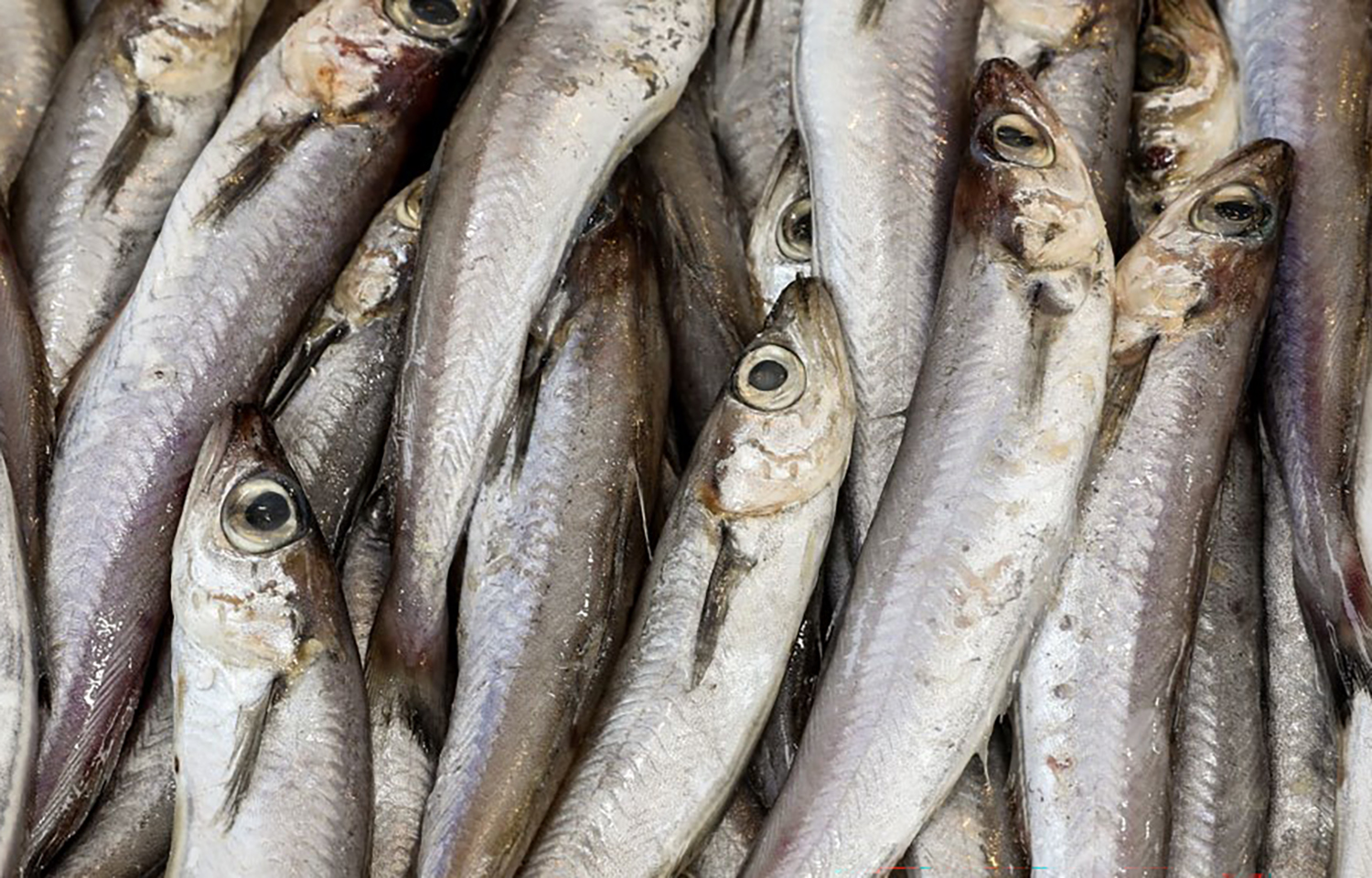
In early October, the North Atlantic Pelagic Advocacy Group (NAPA) formally ended its fisheries improvement projects (FIPs) covering Northeast Atlantic mackerel, blue whiting, and Atlanto-Scandian herring.
Rationalizing the decision, NAPA said the FIPs failed to result in the comprehensive, science-based sharing arrangements needed to limit overfishing of the species, and thus, the group would shift away from the FIP model moving forward.
While NAPA said it would continue its advocacy work and its involvement in the fisheries, the group’s decision to dissolve the FIPs, which followed the Marine Stewardship Council’s decision to suspend its certification of all three species by the end of 2020, has left stakeholders with a dearth of structured sustainability guidance in the region.
"The expiry of the blue whiting FIP is disappointing because the FIP provided a structured platform for industry stakeholders to encourage cooperation among coastal states and to demonstrate a commitment to responsible sourcing," European Fishmeal and Fish Oil Producers (EFFOP) Managing Director Anne Mette Bæk told SeafoodSource.
To fill the gap, EFFOP said it is developing a new certification program for blue whiting, which is often used in the production of fishmeal and fish oil.
"A new voluntary certification program, aligned with FAO fisheries guidelines and focused on stock status and fisheries management by competent authorities, is currently being developed as an industry-led initiative to offer an alternative, science-based pathway for responsibly managed fisheries," Bæk said. “It is intended that the blue whiting fishery will be assessed against this standard, with the outcome determined through an independent evaluation process.”
NAPA said as it decided to end its FIPs, members are facing increasingly difficult sourcing decisions, highlighting that several members, such as retailers and seafood brands, have already stepped back their sourcing from the fisheries.
For fishmeal producers, however, NAPA said sourcing blue whiting as an aquafeed ingredient is different to sourcing a product for human consumption and may require a "more nuanced approach."
Bæk agreed, pointing out that the issue of sustainability in the blue whiting fishery is more nuanced than "sometimes presented."
"Blue whiting remains an important European marine resource and is currently in a strong biological position according to scientific assessments. EFFOP members, therefore, continue to source blue whiting while maintaining our clear position that catches should remain within scientific advice and that a comprehensive coastal state sharing agreement remains urgently needed," she said, adding that EFFOP has been using the channels available to them to put pressure on coastal states to reach such agreements. "We can have a biologically healthy stock while, at the same time, have a management system that is not delivering catch in line with scientific advice. These are two different issues, and it is important that we distinguish between them rather than treating ‘sustainability’ as a simple yes or no.”
The decision to develop a voluntary certification program comes soon after the International Council for the Exploration of the Seas (ICES) released catch advice for multiple Northeast Atlantic pelagic stocks for next year, bumping up quotas for several species including blue whiting, which received total allowable catch guidance of 1.064 million metric tons (MT), marking an increase of 25 percent over the advice of 851,344 MT for 2026.
