






The Kenyan government has temporarily shelved contentious aquaculture licensing regulations to allow for more consultation between the government and fishing industry stakeholders.
Kenya Mining, Blue Economy, and Maritime Affairs Cabinet Secretary Hassan Joho has picked a 12-member committee to review the regulations, which were initially expected to come into force in January.
Before the decision to review the regulations was made, the High Court of Kenya had already put the new rules on hold after a leading aquaculture association in the country challenged their legality.
That court case, which was scheduled for 10 February, is now deferred until the consultations conclude.
The regulations in question sought to introduce a KES 50,000 (USD 384, EUR 369) operational licensing fee for those seeking to start commercial aquaculture enterprises and a landing tax fixed at 5 percent of the value of all landed fish.
These stipulations were challenged by the Lake Victoria Aquaculture Association (LVAA), an organization comprising private and public stakeholders to promote sustainable aquaculture industry in the Lake Victoria region, on grounds the rules are likely to stagnate the nation’s aquaculture industry and trigger an increase in fish prices, especially in Kenya’s domestic market, due to the anticipated higher cost of production.
The fees and landing tax, introduced to create an additional revenue stream for the government, would apply to all aquaculture investors irrespective of the size of their business. LVAA, therefore, feared the higher cost of fees would stymie domestic business and create an opportunity for cheaper fish imports to enter the country, especially frozen tilapia from China.
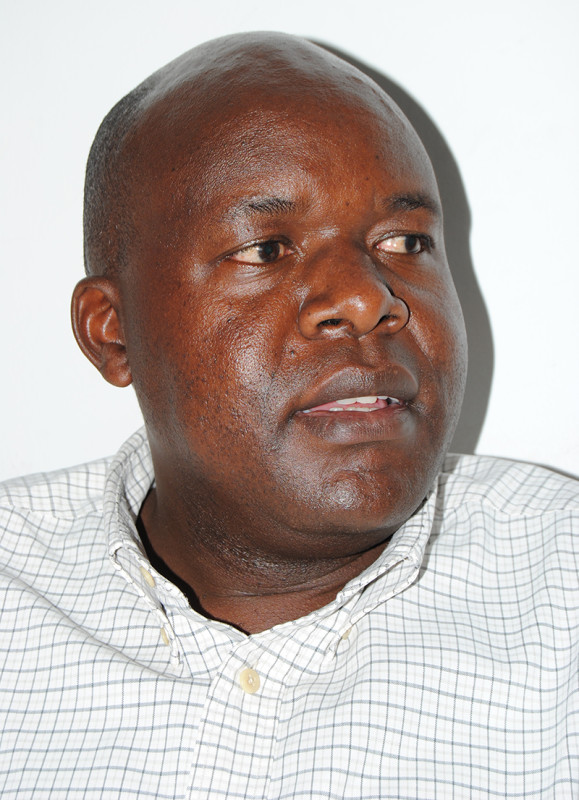
“This tax will directly impact the most vulnerable population and bring a radical reorganization of aquaculture businesses with possible relocations and reduction in existing jobs and those that would have been created,” Caesar Asiyo, the chair of the recently created African Aquaculture Business Leaders Network (AABLN), said during a webinar of aquaculture stakeholders organized by LVAA in December 2024.
“Those who would remain would shift focus to automation, accompanied by price increases and reduced investments,” he said.
Furthermore, LVAA accused Joho of pushing through the new regulations without conducting public participation as required by the Kenyan constitution on all proposed regulations.
“Let’s push for fair, sustainable policies that safeguard livelihoods and promote food security,” LVAA said.
Members of the review committee include members of the Mining, Blue Economy, and Maritime Affairs Ministry, as well as the LVAA and other industry organizations.
Kenya’s total fish output is estimated at around 180,000 metric tons (MT) against a consumption demand of an estimated 500,000 MT. That deficit is met mostly through imports, mainly from Asian markets.
Entrepreneurs in the country have implemented several fish-farming projects to fill that deficit with more domestic products.
In 2023, the government-run Kenya Marine and Fisheries Research Institute (KMFRI) developed a genetically improved Nile tilapia strain through a selective breeding program, touting the new breed’s faster growth rate, higher body weight, and ability to resist disease and withstand certain effects of climate change compared to previous strains.
In the same year, Kisumu, Kenya-based startup AquaRech received a USD 1.7 million (EUR 1.5 million) investment from Dutch aquaculture investment firm Aqua-Spark to allow it to continue to develop a digital platform specifically designed for small-scale African aquaculture practitioners.
Projects like these have led Kenya’s aquaculture sector, which is still in its infancy, to achieve consistent growth since 2019, when the country's fish farmers produced 18,500 MT. That output rose to 27,800 MT in 2022 and 31,700 MT in 2023. Last year’s totals have yet to be released.
