





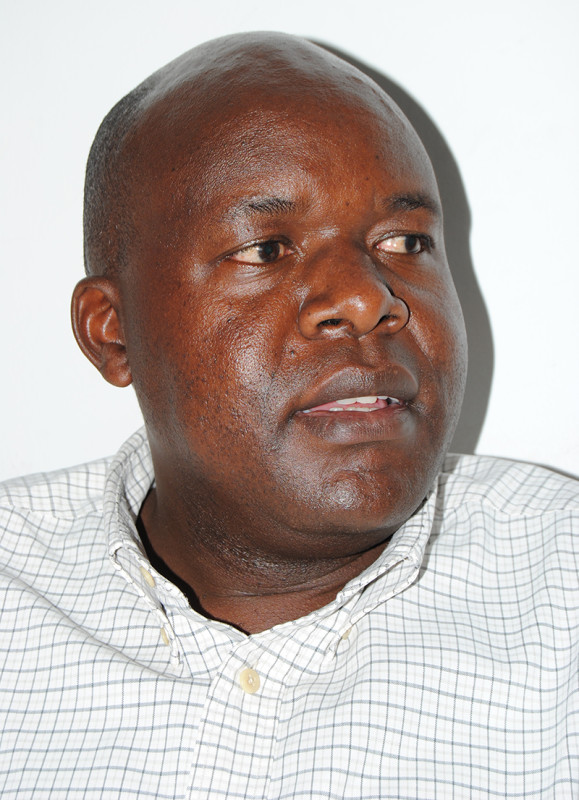
Kisumu, Kenya-based AquaRech recently received a USD 1.7 million (EUR 1.5 million) investment from Aqua-Spark to allow it to continue to develop a digital platform specifical designed for small-scale African aquaculture practitioners.
The startup, founded in 2019, is innovating a mobile app that is helping fish farmers on Lake Victoria – the second-largest body of freshwater in the world – gain access to high-quality, affordable fish feed and fingerlings and knowledge of best practices. The app is also aiming to knock down barriers to entry in key markets for African seafood.
In an interview with SeafoodSource, AquaRech Founder and CEO Dave Okech discussed how his company’s technology is helping to bolster Africa’s burgeoning aquaculture sector and address domestic seafood supply deficiencies in Kenya.
SeafoodSource: What led you to start AquaRech?
Okech: AquaRech is a digital social enterprise that aims to leverage mobile application technology in support of fish farmers on the Kenyan side of Lake Victoria to increase and improve the quality of their production and ensure market access for their fish. We help fish farmers use their mobile phones to access quality fish feed and technical support. Through this same mobile technology, farmers can access credit from AquaRech to buy fish feed. Furthermore, AquaRech has a fish buyback system under which farmers sell their produce to us at a competitive market price, providing them with immediate market access. We buy the fish in bulk and put it in our cold storage facility within Kisumu, a port city on Lake Victoria in southwestern Kenya, which is adjacent to the lake, before supplying it to markets across Kenya.
SeafoodSource: How else are you leveraging technology to engage with fish farmers?
Okech: AquaRech conducts a lot of capacity-building and training sessions for fish farmers, especially in showing them how to access and utilize precision feeding through mobile phone technology. Once they log into our platform and register, they learn how to practice climate-smart aquaculture. Use of this mobile application technology has resulted in a 30 percent increase in fish farm productivity, 50 percent increase in income for the farmers, and a 35 percent reduction in fish productivity cycles.
SeafoodSource: How does the app support farmer access to high-quality fish feed?
Okech: AquaRech has brought several fish feed suppliers onto our platform, linking fish farmers with fish feed suppliers. AquaRech believes the best laboratory to test these feeds lies with the farmer. Once the feed is given to the fish, we will get results within four weeks, and we then set aside a sample of fish that is exclusively fed on a particular feed under a controlled environment. If the feed yields good results, we will work with it. Currently, more than 100 metric tons of fish feed are traded through the AquaRech platform.
SeafoodSource: Who is AquaRech working with on this initiative?
Okech: At the moment, AquaRech operates on its own, but by December 2023, we will have concluded developing a credit platform with a local Kenyan bank to ensure fish farmer access to more credit for their aquaculture ventures.
SeafoodSource: How many fish farmers use AquaRech’s app, and how do you ensure each of them has been effectively targeted?
Okech: Our platform has onboarded more than 1,500 fish farmers, many of whom engage in cage farming. We have organized them into small groups. Each of these groups forms a WhatsApp group through which we can reach them easily. We have also enlisted aquaculture agents who meet and work with the fish farmers directly.
SeafoodSource: How is fish farming picking up in Kenya and in the larger East Africa region?
Okech: Cage fish farming is picking up quite well in East Africa, especially on Lake Victoria. On the Kenyan side of the lake, there are government cage farming sites where some of our fish farmers have invested. The sites are fairly ideal for cage fish farming because they have clean water to support high-quality fish farming.
AquaRech helps farmers import cages, especially from China, but some are locally fabricated. We usually prefer imported ones because of their high quality, and we have introduced a lease-to-own model where we import the cages and lease them to the farmers, which they pay for through their fish sales.
SeafoodSource: What is the Cage Fish Farmers Association of Kenya, and why is AquaRech a member?
Okech: I’m currently the organization’s chairman, and we lobby the government through pushing for policy changes that support aquaculture. We have slightly more than 1,000 members spread all over the Kenyan side of Lake Victoria. Recently, the association, working with other partners, successfully lobbied the government to remove the 10 percent import duty on fish cages.
SeafoodSource: What are some of the most important trends facing the East African fish feed market?
Okech: The East African fish feed market is quite large despite the challenges in availability, access, and affordability. Some fish farmers – for lack of better options – rely on feed prepared in their backyard, which is of poor quality and yields low fish production. What AquaRech has done is provide a platform through which multiple fish feed manufacturers can link with us and the fish farmers.
SeafoodSource: What are some of the challenges facing aquaculture in Kenya and East Africa in general?
Okech: One of the biggest challenges is the lack of technical knowhow among fish farmers, particularly regarding how to leverage technology and modern aquaculture practices to earn a profit. There is also a lack of structured marketing systems that can deliver fish to well-paying markets. Fish farmers need access to credit to finance their operations throughout the production cycle, which is inadequate at the moment.
Another challenge is the pollution of Lake Victoria stemming from emissions that surrounding industries produce, as well as unregulated waste discharge from cities and institutions that cause eutrophication in the lake.
SeafoodSource: What’s next for AquaRech?
Okech: We have a plan to spread across Sub-Saharan Africa. Very soon, we aim to be in Rwanda, the Democratic Republic of the Congo, Ghana, and Nigeria.
Photo courtesy of AquaReach
