






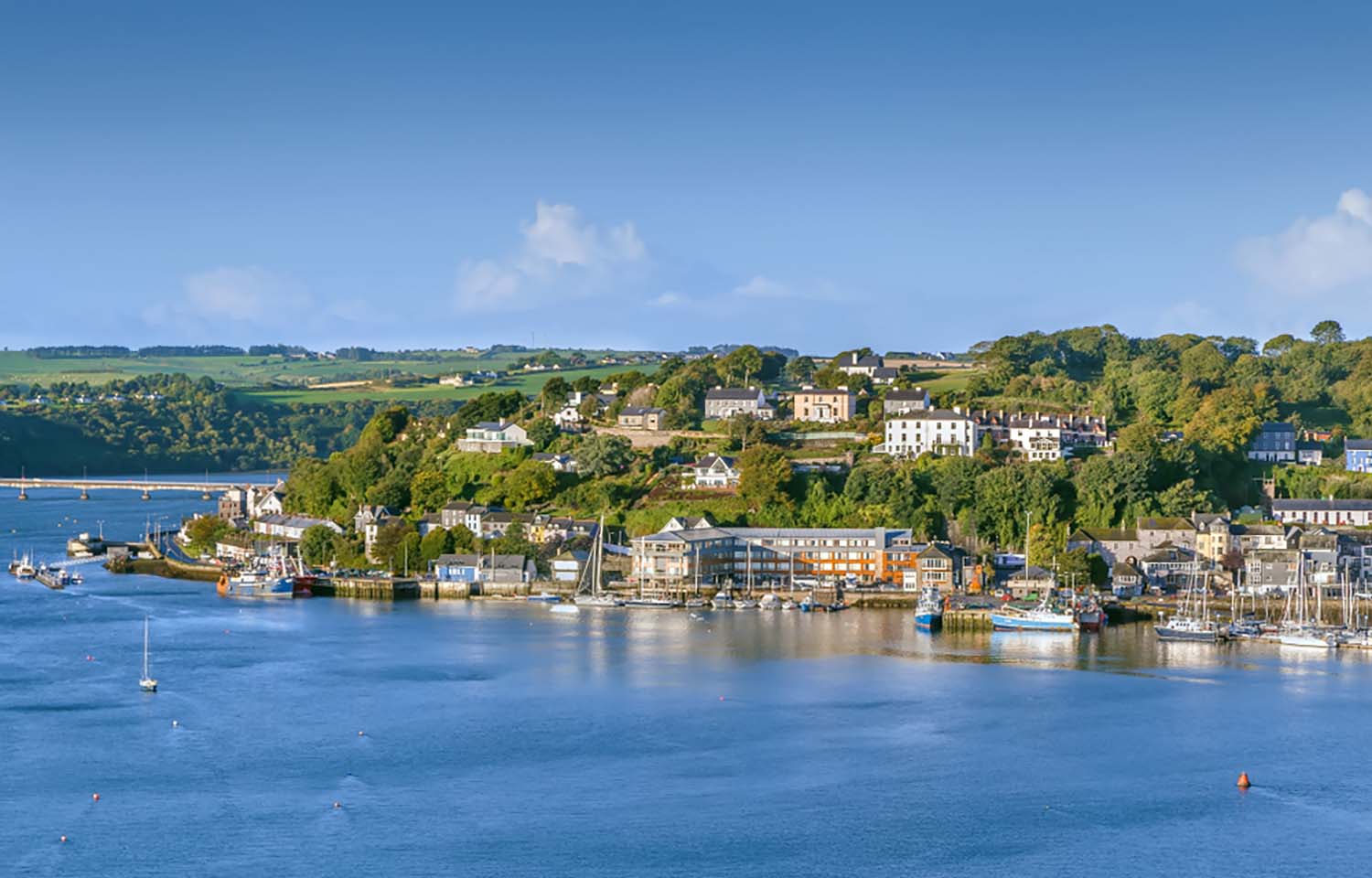
More than 7,500 people have backed an aquaculture appeal against a proposed mussel farm near the Irish town of Kinsale, marking what campaigners are saying is the largest such appeal the country has ever seen.
Woodstown Bay Shellfish received a license for a 23-hectare bottom-culture mussel farm in May, but protestors have claimed that the license was awarded without any environmental impact assessment having taken place.
Michael Collins, a member of Irish parliament, backed the protestors’ claims, saying in early June that the process for granting the license featured a “lack of transparency, lack of local consultation, and lack of environmental due diligence around the awarding of the license.”
He more specifically claimed that “there is no information on the environmental impact assessment of the effect of dredging,” referencing the type of harvest method involved in such a mussel farm.
Besides the farm’s possible impact on the environment, locals are also anxious that it may hinder access to one of the town's most popular beaches and surrounding water that locals and tourists alike use for swimming, kayaking, and sailing, per the Irish Examiner.
Now, around 150 formal appeals have been filed by individuals, environmental groups, and more with ALAB.
The Irish seafood development agency Bord Iascaigh Mhara (BIM) has declined to comment directly on the ongoing controversy.
“BIM does not comment on individual licensing applications,” the agency told SeafoodSource. “The architecture of the state allows for appeals.”
Though the granting of the license has garnered attention more recently, the Kinsale farm has actually drawn controversy for several years.
As far back as March 2019, Margaret Murphy O'Mahony, a former member of Irish Parliament, asked Michael Creed, the then-minister for agriculture, food, and the marine – whose department was then considering Woodstown’s license – if the “concerns of local residents, clubs, and organizations will be taken into account with regard to the scale of the mussel farm in question and its associated impact.”
Woodstown is not alone in waiting six years or more to have a license granted.
Ireland currently has a shortage of ecologists conducting environmental assessments. To that end, Michael Mulloy, a member of the country’s Aquaculture Licenses Appeal Board (ALAB), recently told the Irish Parliament that the Galway-based Marine Institute, which conducts the assessments needed for a company to receive or renew a license, “needs to be better resourced.”
“It’s a key issue,” Mulloy said.
The Irish mussel sector produced over 13,500 metric tons of products last year valued at almost EUR 14 million (USD 15.9 million), making it the third most valuable segment of the Irish aquaculture sector after salmon and oysters. According to BIM, the major market for Irish mussels is the European foodservice segment, especially in the Netherlands, Belgium, and France, with smaller volumes also sold domestically.
