





U.S. NGO Heifer International is looking to launch a large-scale aquaculture project in Cambodia and is using the operations of Chinese firm Bohai Aquatic Foods as inspiration.
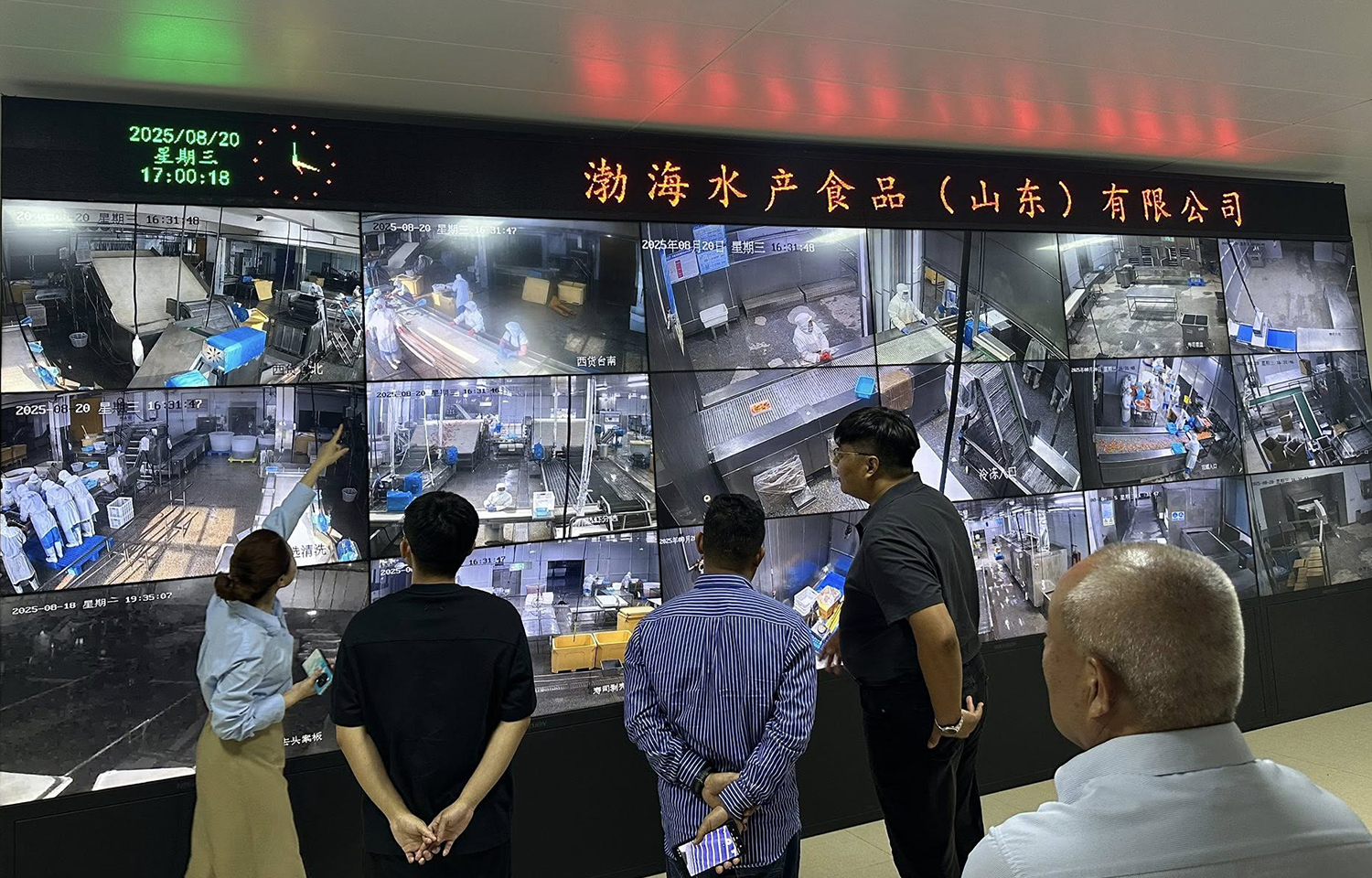
In late August, Heifer employees visited Bohai’s shrimp farm in the Eastern Chinese province of Shandong, which is one of the largest shrimp farms in China, to better understand the intricacies of running such a large operation.
Heifer Country Director for Cambodia Sareth Nhem described the operation as a “powerful model of integrated aquaculture.”
Bohai, which also possesses processing capabilities, has expanded its shrimp farms through cooperation with the local government in Shandong, which has facilitated the amalgamation of small farms into a larger entity run as a cooperative supplying Bohai.
“Similar approaches I have observed in both China and Vietnam have inspired my team and me to design a new large-scale integrated agri-aquaculture enterprise project in Cambodia,” Nhem wrote on his Facebook page after the visit. “The visit showcased every stage of shrimp processing – from workers in protective clothing to equipment, storage areas, and packaging lines – highlighting the company’s strong commitment to quality control and transparency.”
Nhem said the goal of the Cambodian venture “is to enhance the livelihoods of rural farmers by strengthening aquaculture and agriculture value chains, fostering climate-resilient agribusiness, and promoting inclusive food systems in Cambodia’s coastal provinces.”
The project will “also help reduce Cambodia’s reliance on seafood imports, empowering local farmers and cooperatives to sustainably meet domestic market demand,” Nhem said.
The launch of the new project follows Heifer participation in the recently concluded Co-SAVED Project – a four-year project funded by the E.U. to support coastal communities through the establishment of such businesses as shrimp aquaculture.
“As we move forward, we are actively seeking partnerships and investors to modernize Cambodia’s agri-aquaculture enterprise sector and drive sustainable growth through innovation and global best practices,” Nhem said. “Together, we can transform Cambodia’s aquaculture into a model for sustainability and prosperity.”
