

The U.S. state of Maine’s USD 137 million (EUR 124 million) aquaculture industry is attracting investment and creating new job opportunities, but filling those jobs as fast as they’re opening has become an issue.
The Maine Aquaculture Association estimates that based on current growth trends, aquaculture businesses statewide will be short 1,300 employees 15 years from now, making workforce development a crucial issue for the industry if it wants to expand as planned.
“The lack of a trained workforce could jeopardize Maine’s aquaculture future,” a 2022 Gulf of Maine Research Institute study on the issue said.
To get ahead of the troubling trend, the state is stepping in.
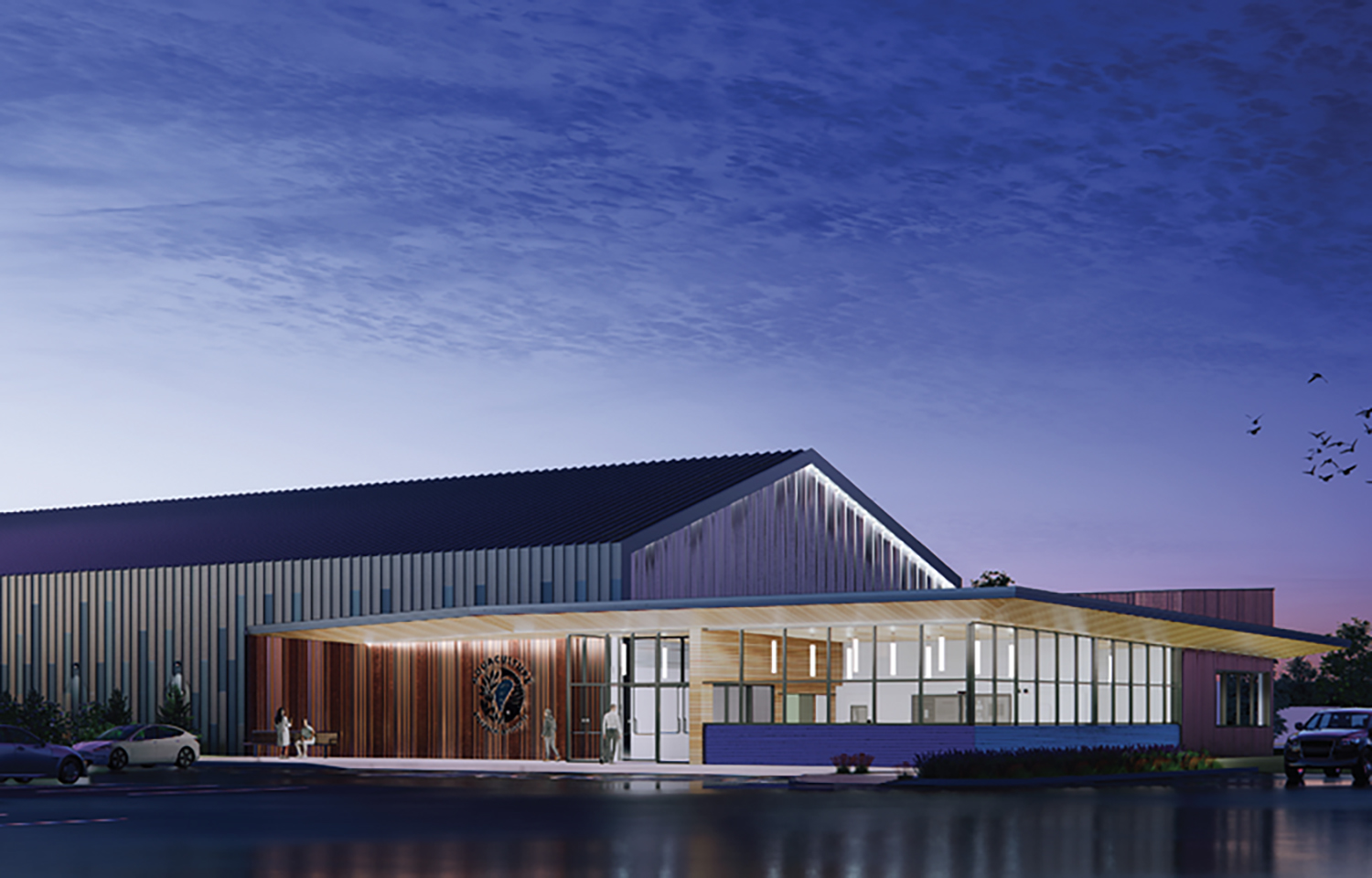
In July, the University of Maine announced it would begin designing and engineering a state-of-the-art Sustainable Aquaculture Workforce Innovation Center (SAWIC) facility in Orono, Maine, after securing over USD 10 million (EUR 9.1 million) in state and federal funding.
U.S. Senator Susan Collins (R-Maine) and and U.S. Senator Angus King (I-Maine) helped secure USD 7 million (EUR 6.4 million) in federal funds for the facility, and the state is pitching in an additional USD 3.35 million (EUR 3.04 million) in construction funds through the Maine Jobs and Recovery Plan.
Development of the new facility, which is expected to get underway in 2025, coincides with the launch of Calais, Maine-based Washington County Community College’s (WCCC) new two-year Aquaculture Technology program, in September. The program is the first of its kind in the state, offering 10 courses tailored to students seeking to pursue careers in the aquaculture industry.
WCCC has announced the program will offer courses covering topics such as farm site selection and marine biosecurity, while the University of Maine’s new SAWIC facility will give students opportunities to work on small-scale working models of commercial aquaculture facilities, helping to build technical skills.
Educators and industry representatives are hoping that more opportunities for students to get classroom exposure and hands-on training will help the aquaculture sector avert the looming labor shortage.
“Our next big job is to just make people aware that [these programs] exist,” Anne Langston Noll, associate director at the Maine Aquaculture Innovation Center (MAIC), told SeafoodSource. “We need to continue building relationships and connections, building those pathways for students from high school through community college into employment.”
The two programs look to build upon many existing workforce development programs that have emphasized giving apprentices a feel for the industry’s culture just as much as building hard skills. MAIC, for example, piloted a summer apprenticeship program that placed three high school students at local aquaculture farms.
“Many of the students who do those internships in the summer [say], ‘You know what, that is not for me.’ That's OK,” Langston Noll said. “That's partly what career awareness is about … it's getting students out to actually see what it looks like and envision themselves in that place of work.”
Tom Sorby, operations manager at fish-farming firm Kingfish Maine, stressed the importance of these types of programs but also said there’s no one-size-fits-all skill set needed for a career in commercial aquaculture.
“You certainly don't need a degree in aquaculture to get into it … there are a lot of things that you can train on the job,” Sorby told SeafoodSource. “A lot of farms will tend to have pretty good in-house training to get anybody up to speed. [If] you're at university doing that, or maybe at an internship, that certainly helps. [But,] there’s such a diverse set of things that go on in the process of growing a fish, shellfish, or anything like that, it's hard to learn that just strictly in a classroom or a book.”
Despite the growing training infrastructure, aquaculture can still be a hard sell to youth in Maine and elsewhere.
Fish stocks need to be monitored around the clock, meaning many jobs require night shifts or occasional weekend work. In Maine, existing aquaculture facilities are often located in relatively remote areas, presenting challenges for prospective employees who grew up in more populated regions of the state.
Nevertheless, Sorby said he hopes new workforce programs will introduce students to the aspects of what make careers in aquaculture so exciting and rewarding.
“I always tell people that if they want a job that involves being able to work anywhere in the world and to have a very diverse job which does not take place in an office … then [aquaculture] has a lot of different areas you can focus on,” Sorby said. “There's a whole range of things you can specialize in.”
Besides the near-term relief training programs offer the aquaculture industry, they also more broadly epitomize Maine’s long-term commitment to its aquaculture industry.
“It's great that the state is also behind this because it shows that the state has committed to aquaculture and aquaculture within Maine,” Sorby said. “It's obviously not without its challenges, as people have seen in the press. It's not like it's a walk in the park, but at least the state is trying to encourage it a lot.”
The negative press to which Sorby is referring alludes to ongoing legal opposition hampering development of commercial facilities, including a recirculating aquaculture system (RAS) farm in the town of Belfast and a salmon farm in Gouldsboro.
Nevertheless, investment in workforce development is one part of a growing effort to educate the public on the benefits of investing in Maine's aquaculture industry, according to Sorby.
“There's a much bigger push to educate the general public on what aquaculture is and the benefits of aquaculture,” Sorby said. “Historically, the industry overall hasn't really bothered to do that. I think that's definitely shifting now, which is good. As more people understand what [aquaculture] is, more people are going to back projects that involve aquaculture.”
