



Legislation introduced by U.S. Senator Rand Paul (R-Kentucky) would allow seafood companies to hire workers through the uncapped H-2A visa program, greatly increasing the number of seasonal workers they could hire from other countries.
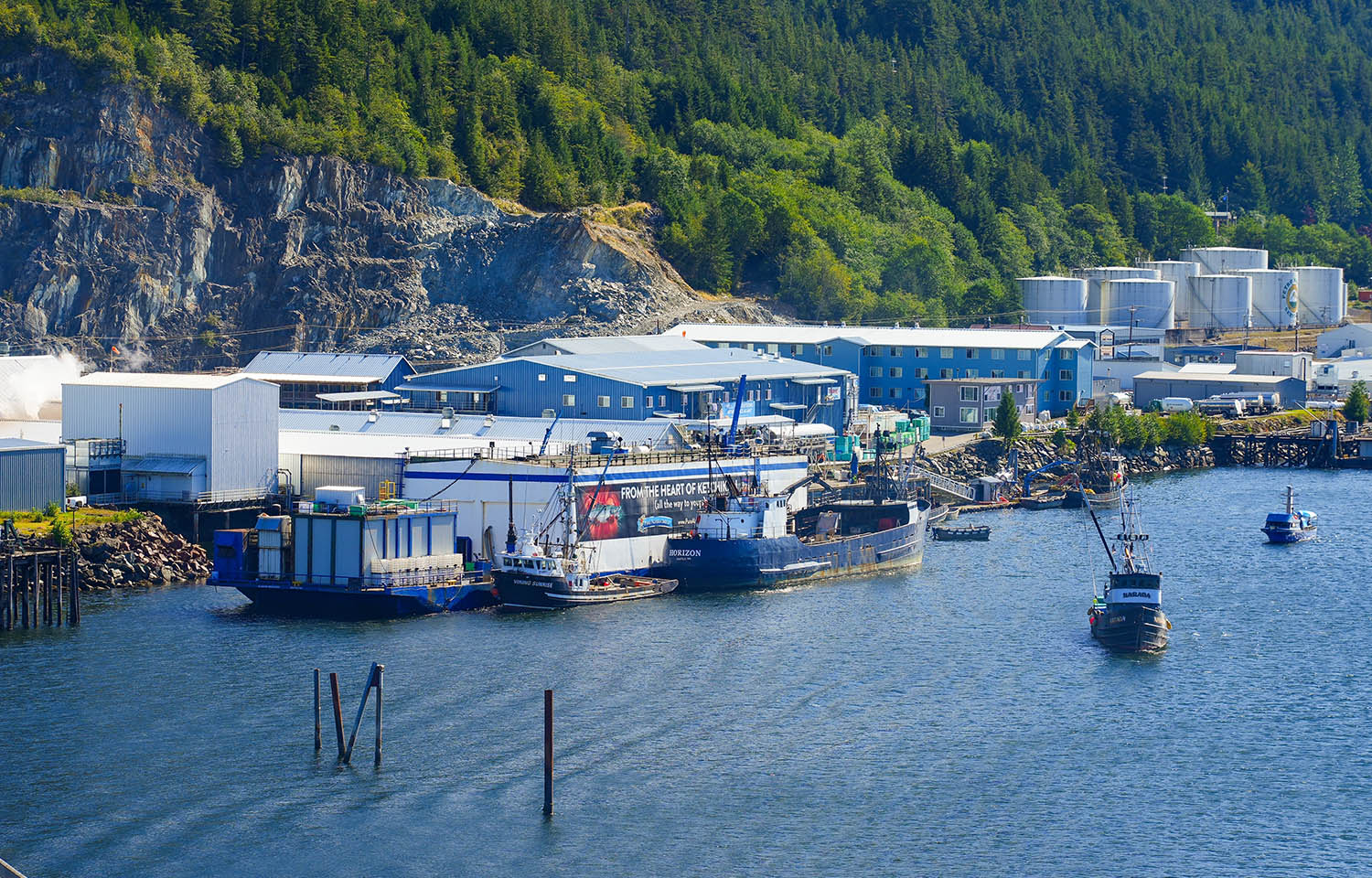
Many seafood processors rely on temporary foreign workers to fill seasonal positions, but by law, they can only apply for workers under the capped H-2B visa program, where they must compete in a lottery system with other industries like tourism, meat processing, landscaping, and construction to get their share of the 66,000 annual visas.
Paul’s Paperwork Reduction for Farmers and H-2A Modernization Act would allow some of those industries currently limited to the H-2B visa program to apply for seasonal workers under the uncapped H2-A visa program, which is currently limited to select agricultural workers. The text of the bill specifies that jobs in fish cutting and trimming, aquaculture, and the processing of wild seafood would be newly eligible for H-2A visas.
Paul’s bill would not eliminate H-2B visas, meaning that seafood companies could still choose to apply for seasonal workers under that program.
Paul’s bill isn’t the only piece of legislation that could open the door for more seasonal seafood workers.
In October 2023, U.S. Senator Lisa Murkowski (R-Alaska) introduced a bill that would exempt temporary workers in the fish-processing sector from being counted against the H-2B cap. Murkowski’s bill has attracted several co-sponsors from coastal states.
In June, U.S. Representative Chellie Pingree (D-Maine) and U.S. Rep. Andy Harris (R-Maryland) pushed to attach an amendment to the Fiscal Year 2025 Homeland Security Appropriations that would increase the cap for H-2B visas.
The Department of Labor has also released supplemental H-2B visas above the cap almost every year since 2017, and in October of this year, a group of 40 senators issued a joint letter to the department asking it to authorize the maximum number of supplemental visas allowed by law.
The department announced on 15 November that it would make an additional 64,716 H-2B visas available for fiscal year 2025.
“The Department of Homeland Security is committed to further growing our nation’s strong economy,” Secretary of Homeland Security Alejandro Mayorkas said in a statement. “By maximizing the use of the H-2B visa program, the Department of Homeland Security is helping to ensure the labor needs of American businesses are met, keeping prices down for consumers while strengthening worker protections and deterring irregular migration to the United States.”
Pingree praised the department’s announcement, calling the visas essential for small businesses.
“H-2B visas are essential for seasonal businesses that depend on temporary workers, including many here in Maine – hotels, ski resorts, seafood processors, restaurants, and other industries across the country,” Pingree said. “Common sense immigration policies like the H-2B visa program help address the workforce shortages that small businesses in Maine continue to face. These seasonal worker visas have strong bipartisan support in Congress, and as a leader on the House Appropriations Committee, I’m proud to spearhead efforts to expand and improve the H-2B program.”
