


The General Fisheries Commission for the Mediterranean (GFCM) has partnered with the Spanish government to test semi-pelagic trawl doors – also known as flying doors – off the coast of Spain.
Organizers hope the field trials will show that the technology reduces the environmental impact of bottom trawl fisheries without reducing catch totals.
“During the fishing operations, researchers will assess catch rates, catch composition, gear geometry, trawl door behavior, and operational efficiency. The objective is to determine whether semi-pelagic doors can reduce environmental impacts without compromising fishing performance or the practicality of day-to-day commercial operations,” Sergi Tudela, a fishery officer and coordinator of the GFCM Western Mediterranean Technical Unit, said in a release.
According to GFCM, flying doors are built to operate above the seabed, minimizing contact with and disturbance of the seabed.
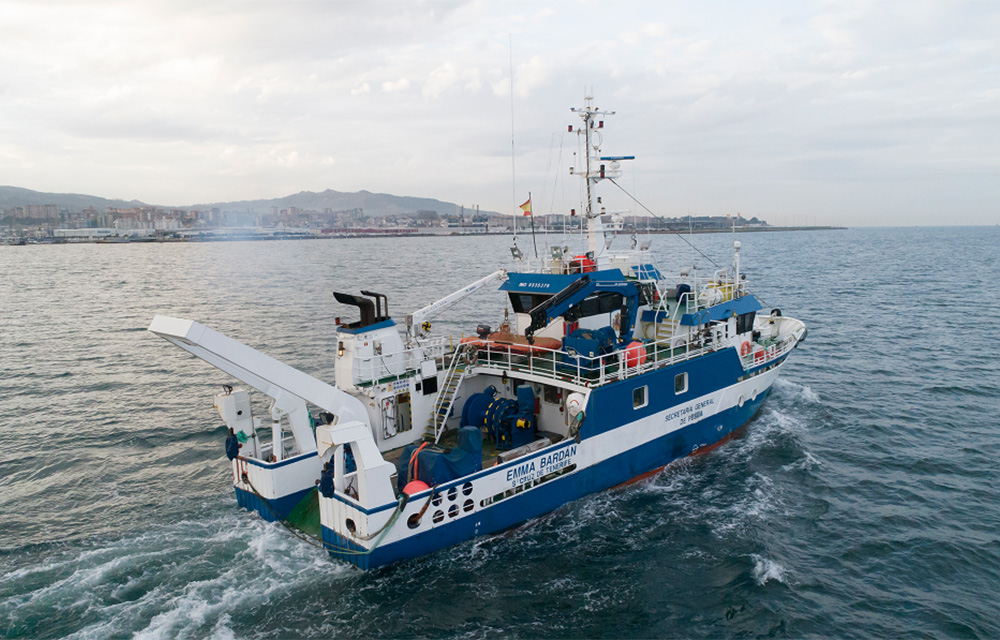
The field trials will involve a single commercial bottom trawl vessel fishing an area first with the flying doors and then going over the same area with traditional gear. A Spanish government research vessel will map the seabed before and after each trawling session, allowing for researchers to compare the impacts of the two gear types.
The field trials are being led by the Spanish Institute of Oceanography.
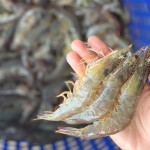
If successful, GFCM said the flying doors could support several Mediterranean fisheries, including deep-water rose shrimp, European hake, red mullet, broadtail shortfin squid, blue and red shrimp, Atlantic horse mackerel, mantis shrimp, and common pandora.
