




United States senators are asking the Trump administration to release the maximum number of additional H-2B temporary visas for 2026 to support seasonal employers, such as the domestic seafood industry.
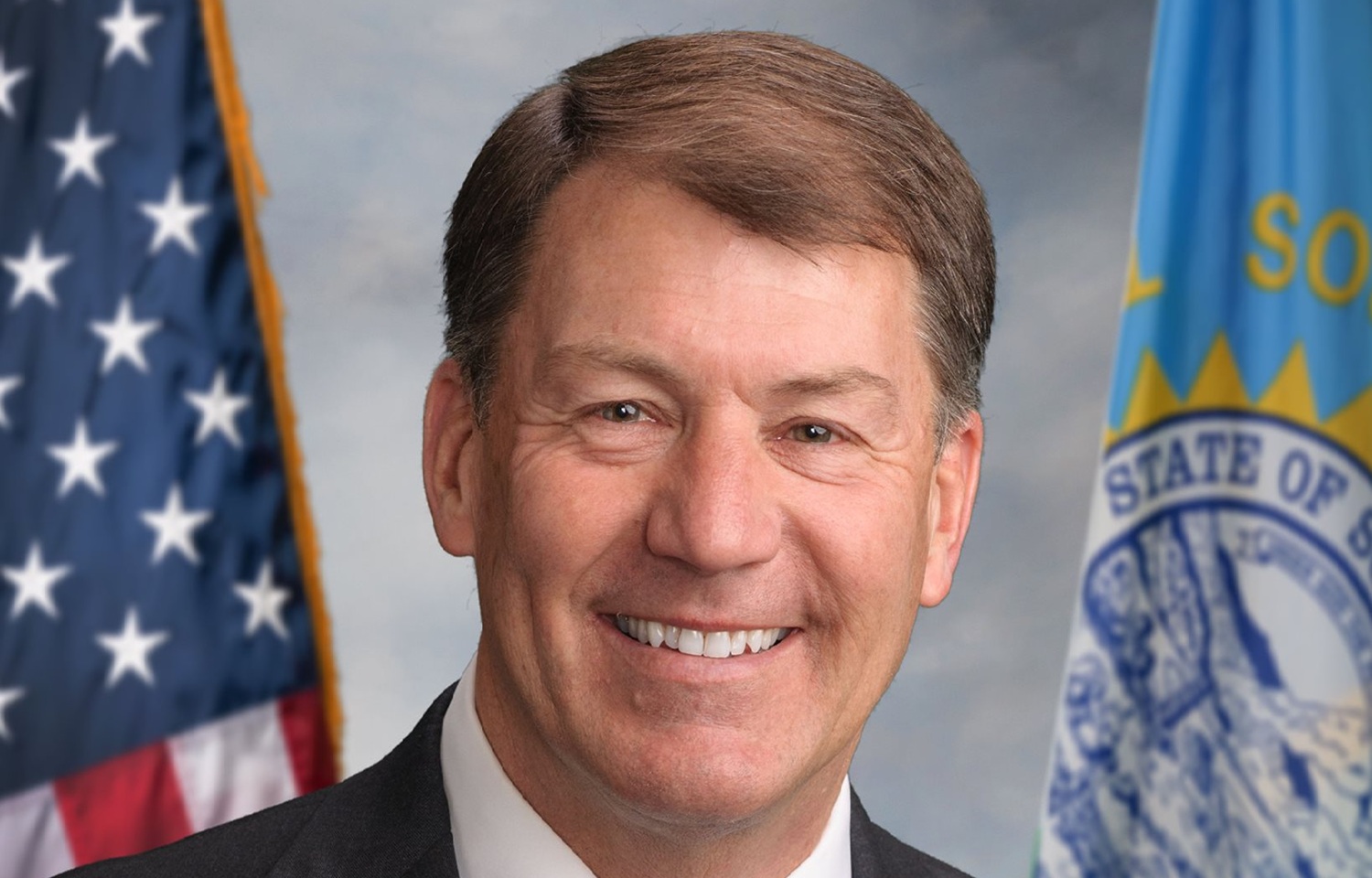
“Chronic labor shortages – faced by seasonal U.S. employers throughout the nation’s history – have been exacerbated by the post-pandemic evolution of the American workforce. As this need grows, so does the pressure on U.S. workers, whose employers’ workforce needs cannot be met with American workers alone,” U.S. Senator Angus King (I-Maine) and U.S. Senator Mike Rounds (R-South Dakota) wrote in a joint letter to the Department of Homeland Security (DHS) and the Department of Labor (DOL). “Issuing the extra discretionary H-2B visas in a timely manner will help alleviate these workforce shortages and, in doing so, will help create and sustain the jobs of American workers who rely on the H-2B workers to support their duties during their peak seasons.”
More than 30 senators – roughly a third of the Senate’s members – have signed onto the letter.
U.S. seafood processors rely heavily on H-2B visas to fill their seasonal workforce; Alaska’s congressional delegation previously estimated that seafood processors in their state would need 9,000 H-2B visas for the 2023 season.
Bill Sieling, the executive vice president of the Chesapeake Bay Seafood Industries Association, told SeafoodSource in August that roughly half of the companies he represents received H-2B visas.
The limited number of available visas further complicates things for companies that depend on temporary nonimmigrant workers, as the demand for H-2B visas from U.S. businesses far outstrips supply. With just 66,000 visas authorized every year, the U.S. government holds a lottery to determine who will receive visas each year, leaving businesses uncertain whether they’ll have the workforce they need.
“It's the worst way in the world to try to run a business, where you don't have any idea from year to year whether you're going to have workers or not have workers,” Sieling said. “You have to go through all these protocols to even qualify, and you have to prove without a doubt that you cannot find a domestic worker willing to work for the standard pay that is authorized for these positions. Employers have absolutely no control over anything. There's really nothing we can do.”
To help meet that demand, Congress has authorized DHS to release supplemental H-2B visas, and the department has regularly opted to roughly double the number of available visas. For fiscal year 2025, the department authorized an additional 65,000 temporary work visas.
Now, lawmakers are pushing the department to continue that trend and release the maximum number of temporary work visas for fiscal year 2026.
“These visas will allow employers to supplement their U.S. workforce to keep their businesses open, as well as provide additional certainty regarding their workforce planning decisions in the coming months,” the senators stated.
DHS announced 16 September that it had already reached the H-2B cap for the first half of 2026.
Some lawmakers have pushed to exempt the seafood industry from the H-2B cap; earlier this year, legislators introduced the Save Our Seafood (SOS) Act in the latest attempt to do just that.
“Virginia’s seafood industry relies on seasonal, H2-B workers to help meet demand during peak season,” U.S. Senator Mark Warner (D-Virginia) said when the bill was introduced in April. “Without this workforce, many of Virginia’s seafood processors would simply have to close up shop.”
The change wouldn’t be unprecedented; fish roe processors are already exempt from the H-2B cap. Despite being introduced in both the Senate and the House, the legislation has not advanced over the last seven months.
In a separate push over the summer, House Republicans adopted an amendment to an appropriations bill that would allow employers to bring back H-2B visa workers who have worked for them for five years without them counting against the cap.
“This amendment gives a lifeline to those who've demonstrated five consecutive years of full compliance by guaranteeing a set number of returning visas,” U.S. Representative Chuck Edwards (R-North Carolina) said during the committee markup. “This doesn't just help those employers; it helps every other small business that faces labor uncertainty because it's trying to use the overprescribed H-2B program and it supports their communities. These are people who sponsor little league teams, serve on local boards, and keep our small towns alive. We owe it to them to reward reliability and integrity with a stable, predictable process.”
However, that fiscal year 2026 appropriations bill still has not passed, and the H-2B provision was not included in the continuing resolution currently funding the federal government. A similar provision was included in the fiscal year 2025 appropriations bill before being scrapped by Republican leadership at the last minute.
