



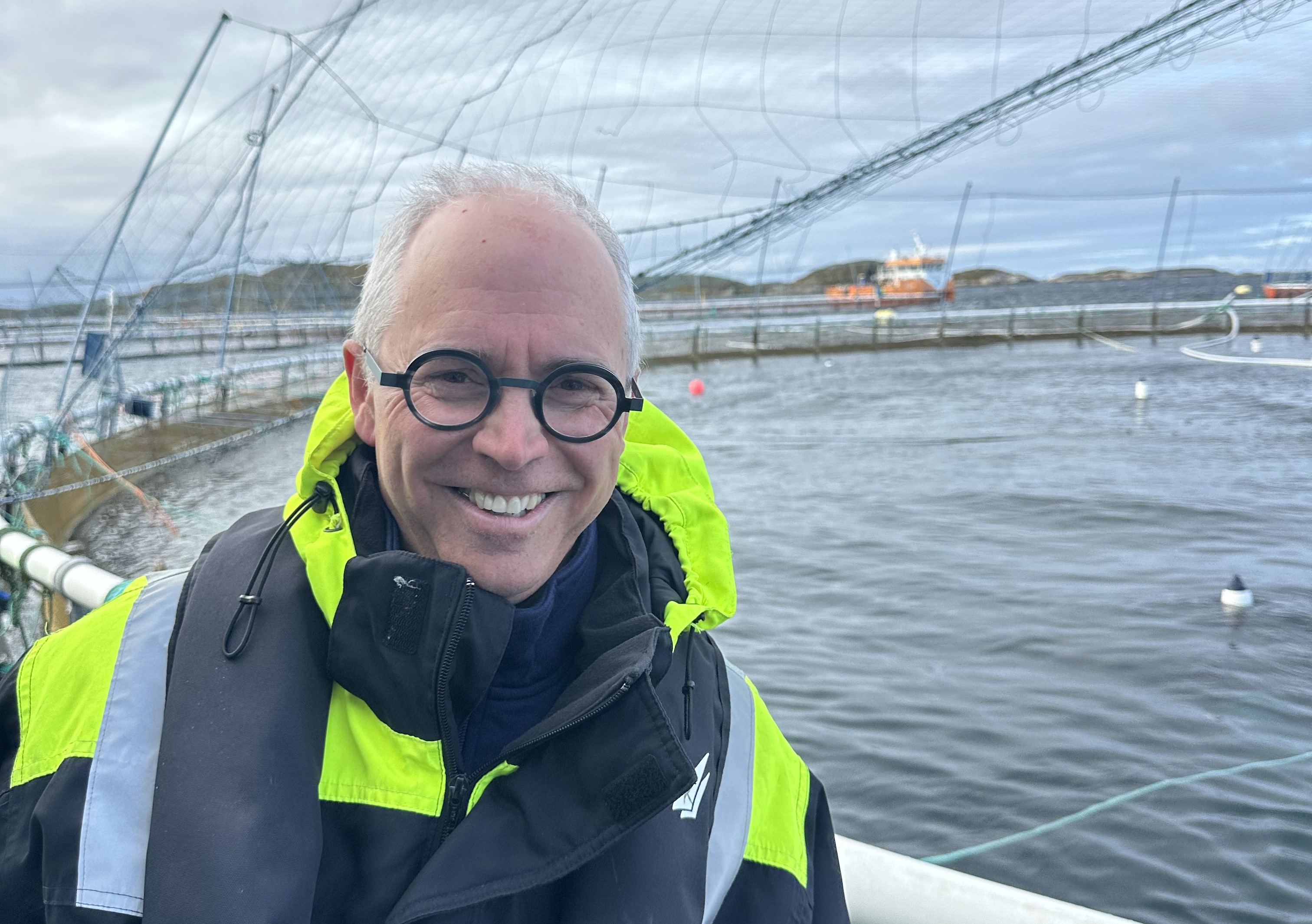
Paul Jewer is the CEO of Halifax, Nova Scotia, Canada-based seafood firm High Liner Foods. Jewer has been with the firm since 2014, and before his time at High Liner, he served as the CFO of Canadian retail chain Sobeys.
Jewer sat down with SeafoodSource to discuss his start in the seafood industry, challenges High Liner has faced during his tenure as CEO, why High Liner has returned to exhibiting at Seafood Expo North America, and some near-term plans for the 126-year-old company.
SeafoodSource: Where did you get your start in the seafood industry, and what was your career path to becoming CEO of High Liner Foods?
Jewer: In some ways, I was born into seafood. I’m from Newfoundland originally, so seafood is kind of in the blood.
My first client when I started my career a long time ago was High Liner Foods, so I knew the company well back then. I then went off and did a bunch of different things on the CFO front – I got into food by joining Sobeys, which is Canada’s second-largest grocery store chain, and ultimately became the CFO.
Then, the opportunity to become the CFO of High Liner came along. It was something that I was really excited about. I knew the brand well, and I knew Henry Demone – who was the CEO at the time – because he was a former client and, ultimately, became a friend. I joined High Liner in 2014, was CFO for almost 10 years, and have been the CEO for the last couple of years.
I’ve been in the seafood industry now for a dozen years and in the food industry more like 23 or 24 years.
I know retail well, and one of the things I love about High Liner is its foodservice business, and while Sobeys is focused in Canada, High Liner has a lot of sales in the U.S. and suppliers from around the world. It’s a 126-year-old company with a wonderful brand, which is something that I certainly can be proud of.
SeafoodSource: High Liner has had its difficulties during your tenure with the company, and there were some challenging years where there were efforts to make a turnaround, which seems to have happened. Are you proud of the accomplishments the company has had in the last five years to see its financial metrics improve?
Jewer: We had gotten to a point where we really needed to fix the business, and we spent a good part of 18 months to two years doing that. That got us to where we are today with a much better base business generating stronger earnings and better cash flow, getting to a point where we can look toward future growth again on the top end.
We’re proud of what we accomplished in that regard, but now, there’s still a lot of hard work to do in terms of driving more seafood consumption in North America. That’s what we’re focused on.
SeafoodSource: High Liner is a multinational company with locations in both Canada and the U.S. Does that position the irm well amid the current tariff challenges and fears of geopolitical turmoil?
Jewer: I think we’re fortunate to have operations on both sides of the border and to have plants on both sides of the border that largely serve their domestic markets. That positions us well within North America.
Obviously, we’ve seen rising raw material costs for seafood – particularly for important species to us like cod and haddock. Compound that with tariffs, and that’s been something we’ve had to manage. But, we’ve seen this many, many times in our past with seafood, so we’ll manage through it over time and stay focused on delivering value and convenience to customers so they can eat more seafood.
SeafoodSource: Is there any strategic focus, from a long-term perspective, you’re willing to share?
Jewer: There are a few things that I would call out for sure. One just came from the foodservice panel at the [2026] Global Seafood Market Conference.
We’ve launched a fully cooked line for seafood. We say that it is a good platform for growth because it’s addressing a number of pain points that customers have had in the industry, and it allows seafood to be consumed in more locations, so we’re excited about the growth opportunity there.
As you’ve heard us talk about for the last couple of years, we see growth opportunity in aquaculture species – shrimp and salmon in particular. So, we’ve increased our focus there.
We’ve made some investments in early-stage aquaculture companies because we see that as being an important part of our future supply chain. We just did the Conagra deal this year, [in which High Liner acquired the Mrs. Paul’s and Van de Kamp’s brands from Conagra in a deal worth USD 55 million (EUR 48 million)], and have those brands, and I think we’re in a place again where M&A will be an accelerant for growth.
SeafoodSource: From what I understand, High Liner is exhibiting at Seafood Expo North America in 2026 for the first time in multiple years. When was the last time you exhibited, and why was it important to come back?
Jewer: We exhibited up until Covid, and then like everyone, we stopped. For us, we didn’t come back right away.
But, this year, you’re right. We’re back, and we’re happy to be back with a booth. One of the reasons for that is it gives us an opportunity to showcase some of our new product lineup like the fully cooked line.
The reality is, even in the last few years when we haven’t had a booth, we’ve had an important presence at the show. It’s an important industry gathering, and we’ve been able to participate in panels and meet with suppliers and customers. That won’t change. But, it will be nice to have a spot on the floor again where we can showcase some products.
SeafoodSource: In the near future, is High Liner mainly focusing on its core business and diversified supply chain as it always has?
Jewer: For now, we see opportunities for growth in our core business. We know seafood is under-consumed in North America. We think we have a role to play in changing that, and when we do, that’ll bring growth opportunities.
There are so many tailwinds supporting seafood right now – the desire for high-protein diets, for example. Seafood is a very sustainable protein for the planet, and we know it’s good for people. So, we’re working on trying to make sure that we take advantage of those trends.
Then, on top of supporting that growth of the organic business, we’re looking for ways we can scale up even more through M&A activity.
