




Thai Union has claimed in a court filing that restaurant chain Red Lobster owes it, along with its subsidiary Tri-Union Frozen Products, which conducts business as Chicken of the Sea Frozen Foods, nearly USD 3.7 million (EUR 3.4 million).
Thai Union, a longtime seafood supplier and former part-owner of Red Lobster, said in a filing to U.S. Bankruptcy Court in Orlando, Florida, that Red Lobster’s financial distress and “abrupt reductions of purchasing volumes caused Thai Union to accumulate a “high level” of excess inventory – valued at around USD 22.9 million (EUR 21 million).
Additionally, the Samut Sakhon, Thailand-based seafood company claims it has accrued significant costs related to raw ingredients, storage, packaging, and interest.
“For Thai Union – and frankly any supplier in the seafood industry – an inventory buildup of millions of pounds of product is particularly damaging given the limited shelf life of the product and the substantial associated costs (e.g., packaging and storage) that grow on a daily basis – not to mention the impossibility of selling these custom items to another purchaser,” Thai Union said.
In the filing, Thai Union provided details on the issues leading to the accrued costs.
Red Lobster, which operates around 570 seafood eateries, typically forecasts demand for products for six-month periods and then finalizes pricing with Thai Union for those products. Thai Union usually has 150 days of lead time to match its supply with Red Lobster’s projected demand, Thai Union said. As a result, Thai Union is required to maintain six weeks of raw material inventory in Thailand and approximately 12 weeks of finished product inventory in the U.S. to ensure sufficient and timely delivery of products during each six-month period.
“This, in turn, requires Thai Union to manage its own working capital, deploy internal resources, and coordinate production schedules on a massive scale,” Thai Union said.
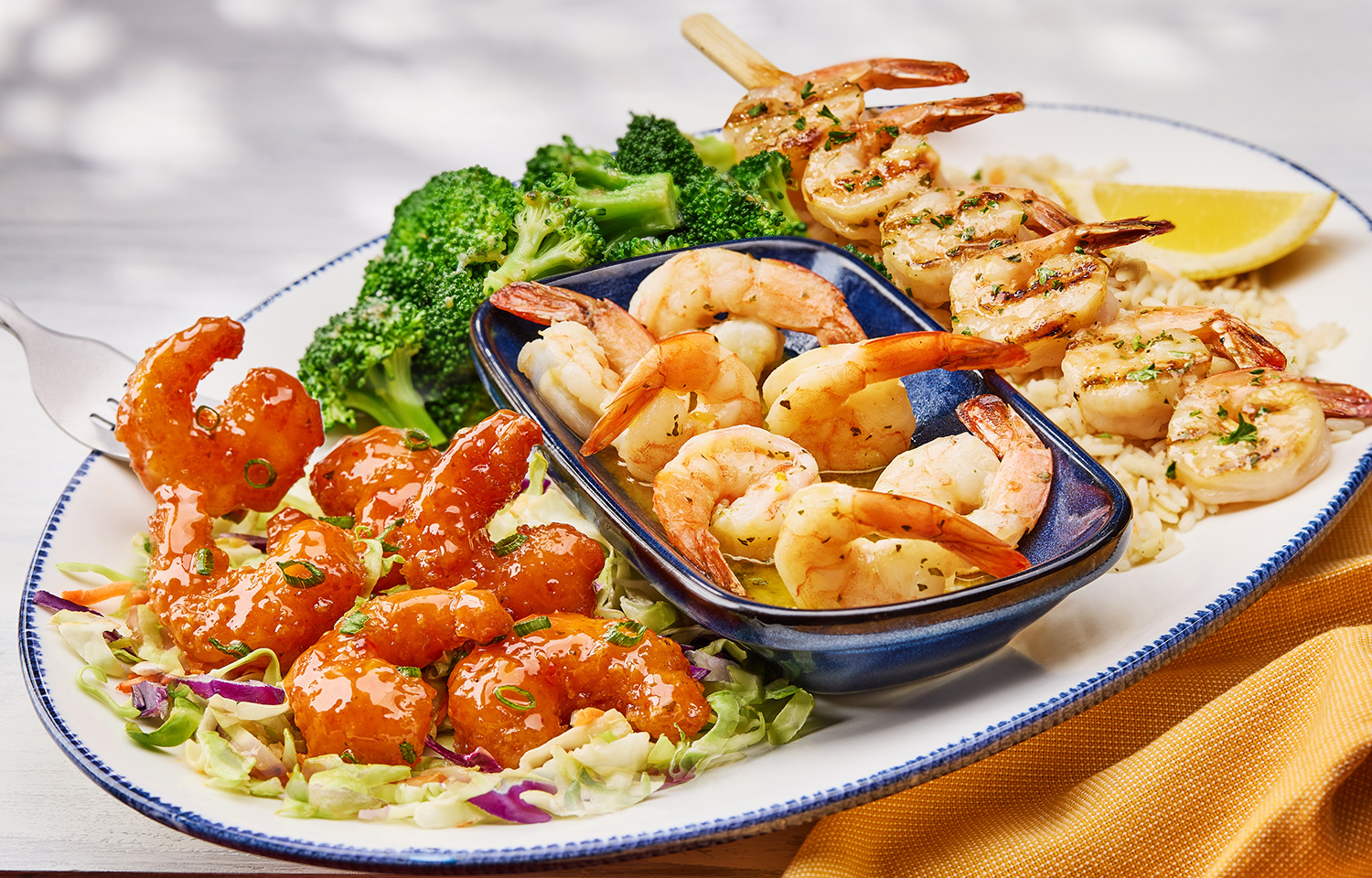
Red Lobster honored its end of the supplier relationship for the majority of the years the two entities worked together, Thai Union said. However, in November 2023, after “repeatedly increasing its forecasted demand,” Red Lobster “dramatically lowered” its demand forecast for custom-produced “Calabash” 26/30 pre-breaded crispy shrimp, Thai Union said.
“Much to Thai Union’s dismay, it produced the Calabash shrimp to support a new menu item on an expedited basis (i.e., less than the standard 150-day lead time) at the debtors’ request,” Thai Union said.
Red Lobster lowered its forecast for Calabash shrimp after having awarded another supplier a substantial portion of the purchases originally allocated to Thai Union, even though Red Lobster executives knew that Thai Union had already procured a substantial amount of inventory, Thai Union claimed.
Thai Union then demanded “mitigation of damages” from Red Lobster in February 2024, with the restaurant chain then working constructively with Thai Union to purchase and reduce inventory buildup, Thai Union said.
Those purchases reduced the inventory of finished products from a value of around USD 22.9 million as of February 2024 to approximately USD 13.1 million (EUR 12 million) as of July 2024.
Still, Thai Union has incurred approximately USD 3.7 million in related costs due to the fluctuation in anticipated demand.
“Again, these costs continue to accrue on a daily basis. Accordingly, Thai Union asserts a cure amount … that comes due prior to the assumption of the Thai Union supply agreement,” Thai Union said.
Under the terms of the agreement, Red Lobster is responsible for those costs and the company should be paid as part of Red Lobster’s bankruptcy filing, according to Thai Union. But Red Lobster has said it does not plan to pay back the debt.
Nevertheless, Thai Union and its subsidiary want to continue supplying Red Lobster in the future.
“Thai Union is one of the debtors’ equity sponsors and a critical supplier to Red Lobster, supplying around 15 million pounds of shrimp in fiscal year 2023,” Thai Union said. “This objection stems from the latter role and seeks to ensure that, with respect to the supplier relationship, the parties can move forward with a clean slate without being burdened by previous disputes.”
To that end, Red Lobster and Thai Union previously agreed upon pricing and other terms under which the restaurant chain will continue to purchase existing inventory from Thai Union on a set schedule going forward.
Thai Union, though, is also seeking assurances that Red Lobster, and whichever successful bidder buys the beleaguered chain, will continue performing under previously agreed-upon terms, it said. However, that deal may be endangered if Red Lobster is forced to close additional locations, after shuttering nearly 100 restaurants in May and revealing a list of a further 120 stores slated for potential closure in June.
Without assurances that Thai Union or the successful bidder can fulfill the terms of their contract, Thai Union and Chicken of the Sea “cannot determine the suitability of the successful bidder,” Thai Union said.
