
Chile’s National Fisheries and Aquaculture Service (Sernapesca) is monitoring and inspecting contingency measures implemented by salmon-farming firm Multi X following a harmful algal bloom.
On 8 October, the bloom forced the company to trigger a mortality contingency plan at its Taraba 7 and 8 farming centers. The amount of mortality – totaling nearly 650 metric tons (MT), Sernapesca reported on its website – exceeded the centers’ silage and storage capacity, so barges were deployed with mobile silage systems to service the affected farming centers and vessels were sent to remove the dead fish.
The mortalities will be sent to reduction plants in the Los Lagos region, while Taraba 7 activated an early harvest in order to avoid higher mortalities.
“Sernapesca maintains a presence in the field and a strict inspection process of all the stages associated with the management of mortalities, verifying compliance with the sanitary conditions required for their collection, transport, and final disposal,” Sernapesca Magallanes Regional Director Ximena Gallardo said. “The objective is to verify the timely removal of mortality from the centers to the final destination, as well as to reduce the risk of spreading algal blooms as much as possible and safeguard the biosecurity of aquaculture activity and the marine environment.”
In particular, inspection teams supervise that authorized vessels operate under established sanitary conditions, controlling the adequate containment of mortalities during transport, the traceability of movement, and compliance with protocols defined for this type of contingency.
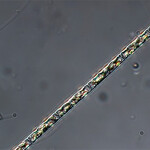
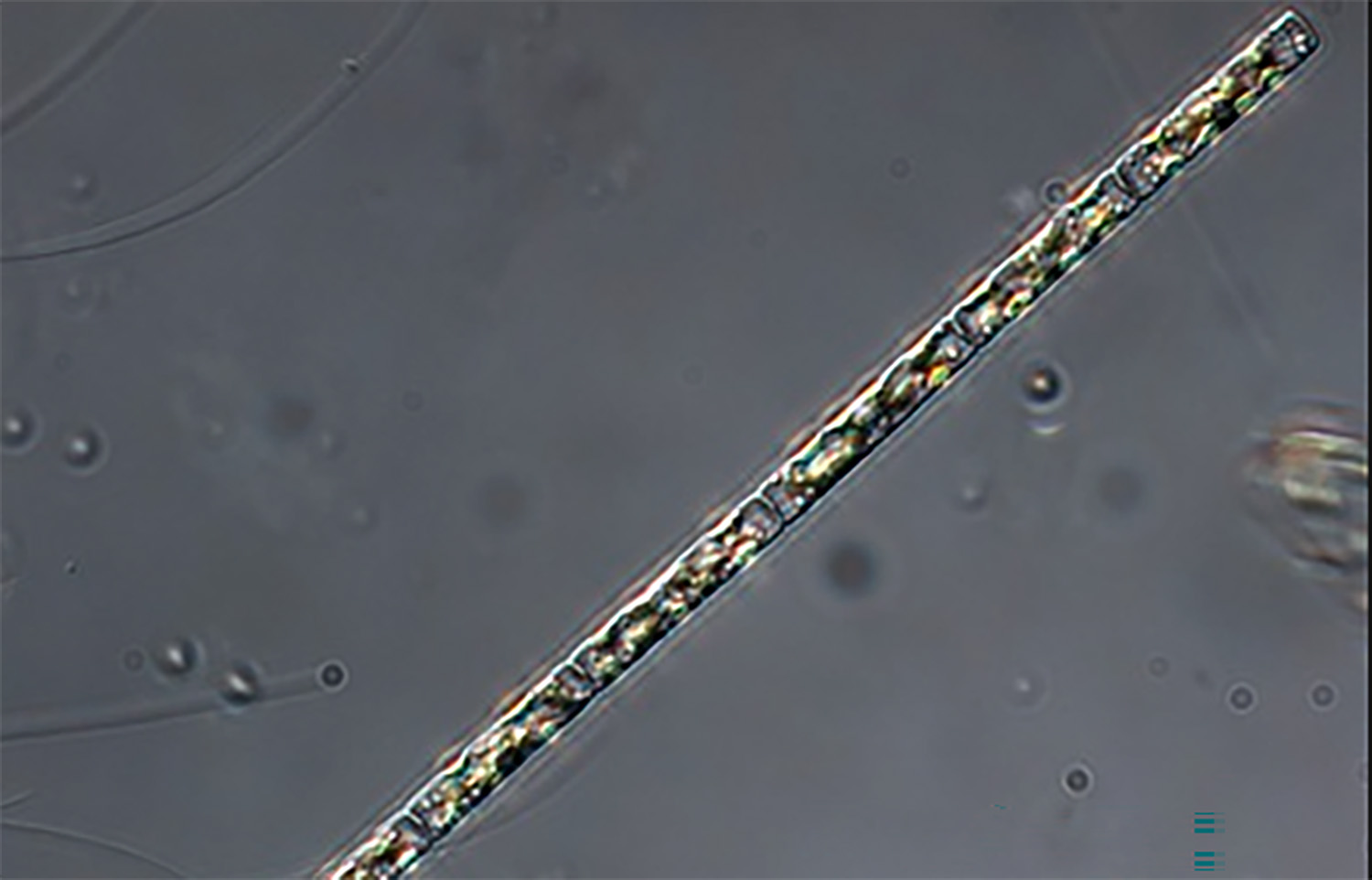
The authorities determined that the bloom was of the Leptocylindrus minimus strand, found in concentrations above reference limits considered harmful.
Sernapesca emphasized that it will maintain inspections in order to ensure compliance with required measures.
The bloom occurred as the El Niño weather phenomenon is affecting many parts of the world, Chile’s salmon-farming executives have been on high alert, meeting and discussing the best methods to monitor and mitigate harmful algal blooms such as the one that occurred at Multi X’s farming centers.
They found that continuous monitoring, proactive decision-making, fish relocation, and enhanced public-private coordination stand out as key tools to prevent any future event from reaching the scale of crisis that happened 10 years ago, in which an El Niño event triggered an algal bloom that contributed to a mass mortality event killing around 27 million salmon and trout in the Los Lagos region.
