

Experts are predicting an especially strong El Niño this year, and the Chilean salmon industry is on high alert.
In Southern Chile a strong El Niño can produce warm and stagnant waters where algal blooms thrive. These blooms can harm the gills of salmon directly, and bloom die-offs deplete oxygen levels in water further.
The salmon industry has had to grapple with such die-offs in the past. In 2016, an El Niño event triggered an algal bloom which contributed to a mass mortality event which killed around 27 million salmon and trout in the Los Lagos Region of Chile.
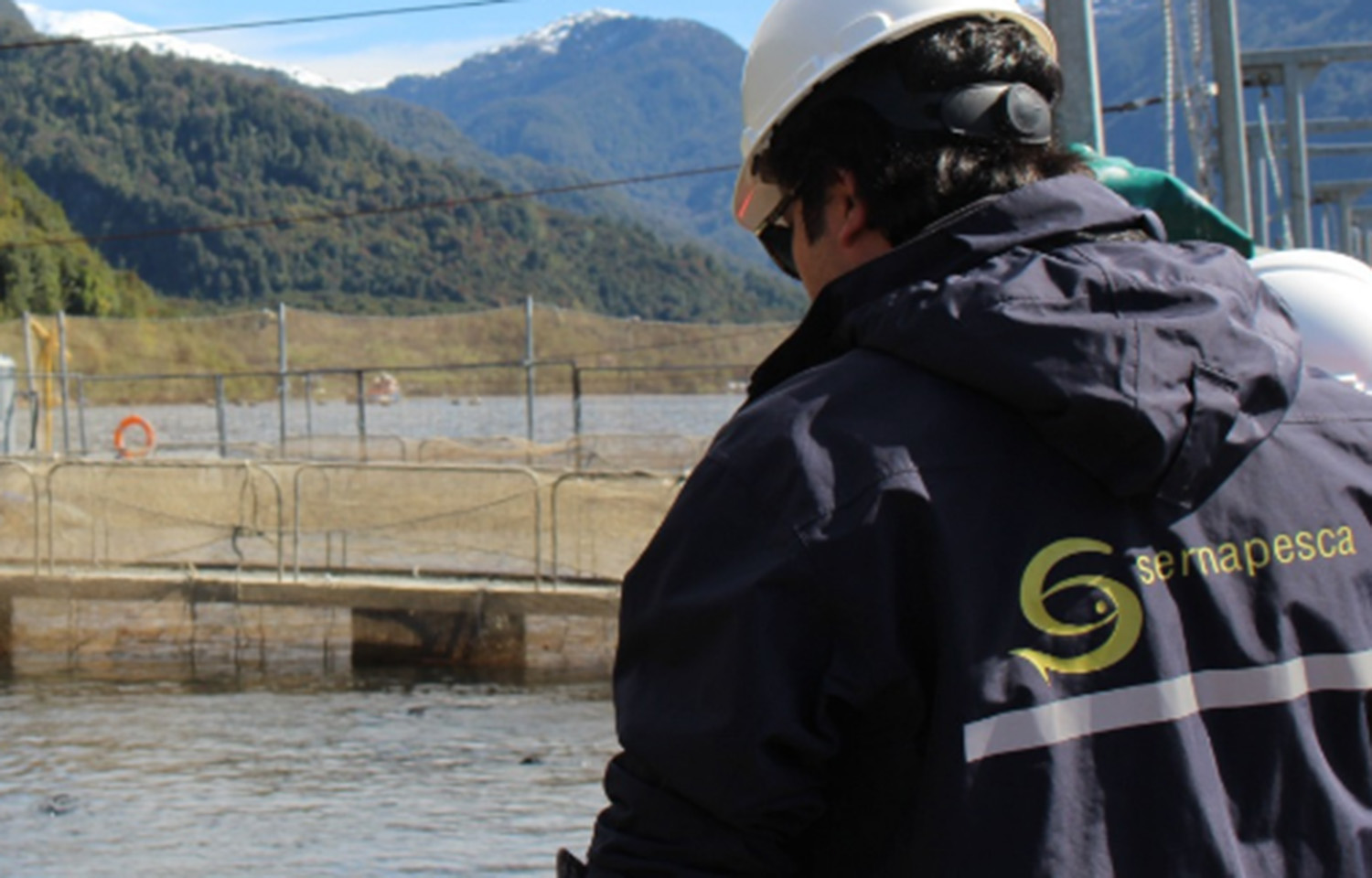
This year, the Chilean salmon sector is bracing for the impacts of the El Niño phenomenon on two fronts: the immediate effects on fish already in the water, and a series of likely supply chain disruptions.
“The effects [on fish in the water] begin long before mass mortality,” Puerto Montt-based aquaculture technology contractor Carlos Palma told SeafoodSource. “Reduced growth, poorer FCR [feed conversion ratio], longer production cycles, and higher financial costs. This impacts the entire value chain, from harvest planning and facility utilization to logistics and commercial compliance.”
Globally, salmon prices have been depressed this year, characterized by short-term price volatility. While general seasonal price patterns have persisted, such as high volumes and low prices in the summer months, 2026’s seasonably low prices are much lower than the lows of previous years.
This means that many salmon producers have slim margins to work with as they prepare for El Niño’s disruptions. Indeed, a number of major Chilean producers, including AquaChile, Blumar, and Salmones Camanchaca, posted year-over-year drops in profit in Q1 2026.
“The industry worked through a very strong El Niño in 2023. It worked through weak salmon prices in 2025, with many producers still operating under margin pressure heading into this year. It worked through shipping disruptions in 2021 and again in 2024,” Manolin Founder Tony Chen said in a recent analysis of feed pricing trends. “What hasn't happened, at least not in the last decade, is a very strong El Niño, a shipping cost spike, and depressed salmon prices all landing in the same window. Right now, that's the direction the data points.”
Sector stakeholders report they are using data on a much vaster scale than ever before to monitor conditions as early as possible to respond to the challenges.
Trade organization SalmonChile and its research wing Intesal met in early July to review sixty years of historical data on Harmful Algal Blooms (HABs). The goal of the meeting, which featured Andino Alejandro Clément, an oceanographer and founder of phytoplankton monitoring service Plancton Andino, was to detect patterns that could serve as early warnings of HABs for salmon producers.
Both SalmonChile General Manager Tomás Monge and Clément said the work they were doing was defensive, and would be useful whether or not expert predictions of a strong 2026 El Niño came to pass.
"Managing the risks associated with harmful algal blooms (HABs) is an ongoing task that requires timely coordination and collaboration between the industry, authorities, the scientific community, and local communities,” said Monge.
Clément said the Chilean salmon sector has matured to the point that it is ready to invest in measures that would protect from future weather-related shocks.
"Chilean salmon farming now has greater operational capacity, infrastructure investments, and better territorial coordination to plan ahead for next summer, always safeguarding the sustainability of the activity and its environment,” Clément said.
On top of the algal blooms, the Chilean salmon industry is also taking on long-term strategizing to counter expected supply chain disruptions, especially around aquaculture feed.
El Niño has already contributed to fishmeal prices spiking in response to the suspension of the Peruvian anchovy season, material from which produces around 20 percent of the world’s supply of fish meal and fish oil. In 2023, the last year that there was a closure of the anchovy season, fishmeal prices contributed to an increase in salmon prices globally.
Experts have long warned that the demand for marine ingredients for aquafeed is outpacing the world’s supply, and Chen said that a strong El Niño could speed up that process.
“Rabobank's research has projected that fishmeal could face a structural supply shortage as early as 2028, with fish oil scarcity intensifying steadily through the rest of the decade … A strong El Niño doesn't create that gap, but it pulls a multi-year structural trend forward into an immediate pricing event,” Chen said.
Another often forgotten factor, said Chen, is the cost of moving feed ingredients from their processing locations to aquaculture sites around the world. The Iran – U.S. conflict is currently driving container prices upward.
“Container costs are one more input getting more expensive at the same time raw material supply is getting tighter,” he said.
Like the SalmonChile team, both Palma and Chen advocated long-term preparation, including farm level data analysis and supply chain diversification, as the best defenses against such shocks.
“The response must evolve from reactive to predictive management, integrating real-time monitoring, oceanographic forecasts, sensors, SCADA, and AI,” said Palma. “Chile has the opportunity to lead this change and transform operational resilience into a competitive advantage … The future is anticipating HABs and automatically deploying mitigation strategies. Operational resilience will become one of the industry’s strongest competitive advantages.”
