




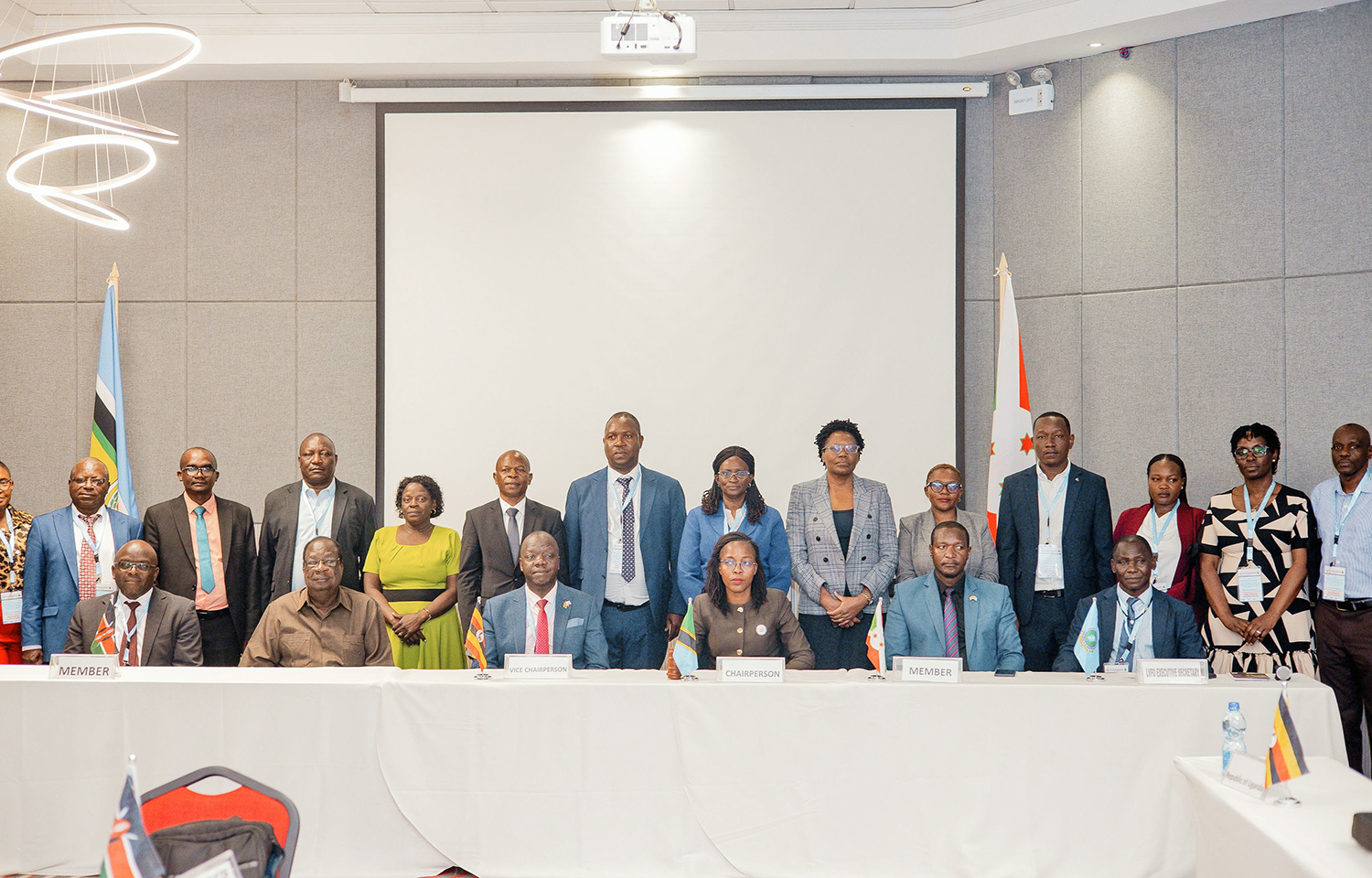
At a recent meeting in the East African nation of Burundi, the Lake Victoria Fisheries Organization (LVFO) agreed to new guidelines for managing silver cyprinid, a small freshwater fish native to the region.
The species – commonly known as “mukene” in Uganda, “omena” in Kenya, and “dagaa” in Tanzania – accounts for more than 47 percent of Lake Victoria's total fish biomass, yet LVFO said more than 40 percent of silver cyprinid catch in the lake is lost through poor handling. Among the catch that manages to be preserved, around 80 percent is used in animal feed, despite East Africa grappling with food security and malnutrition issues.
Studies have estimated that Lake Victoria has the potential to sustainably yield up to 2 million metric tons of silver cyprinid per year, which would be enough to regularly provide the approximately 33 million people residing within the lake's basin region with essential nutrients like vitamin B12, calcium, zinc, and iron.
The harmonized silver cyprinid guidelines aim to develop industrial standards for handling, processing, drying, packaging, and marketing the species. Additionally, the standard outlines more stringent sampling and testing requirements for silver cyprinid, as well as methods that would aid in developing value-added processing infrastructure.
Elsewhere during the meeting, LVFO’s Fisheries and Aquaculture Sectoral Council of Ministers (FASCoM) approved revised guidelines for the establishment and operation of cage aquaculture among all East African Community (EAC) partner states, comprising Uganda, Kenya, Tanzania, Burundi, Rwanda, Somalia, South Sudan, and the Democratic Republic of the Congo.
Though these new guidelines aim to promote environmentally responsible aquaculture practices, such fish-farming operations have faced public pushback, with Kenya’s Senate in the process of reviewing a petition seeking to regulate the establishment of new commercial fish-farming cages in Lake Victoria.
FASCoM also adopted standard operating procedures for monitoring, control, and surveillance of Lake Victoria to fight against illegal, unreported, and unregulated (IUU) fishing in the region.
“The meeting reaffirmed the importance of regional cooperation in addressing common challenges affecting fisheries and aquaculture, including declining fish stocks, illegal fishing, environmental degradation, and climate change,” LVFO said in a statement.
