



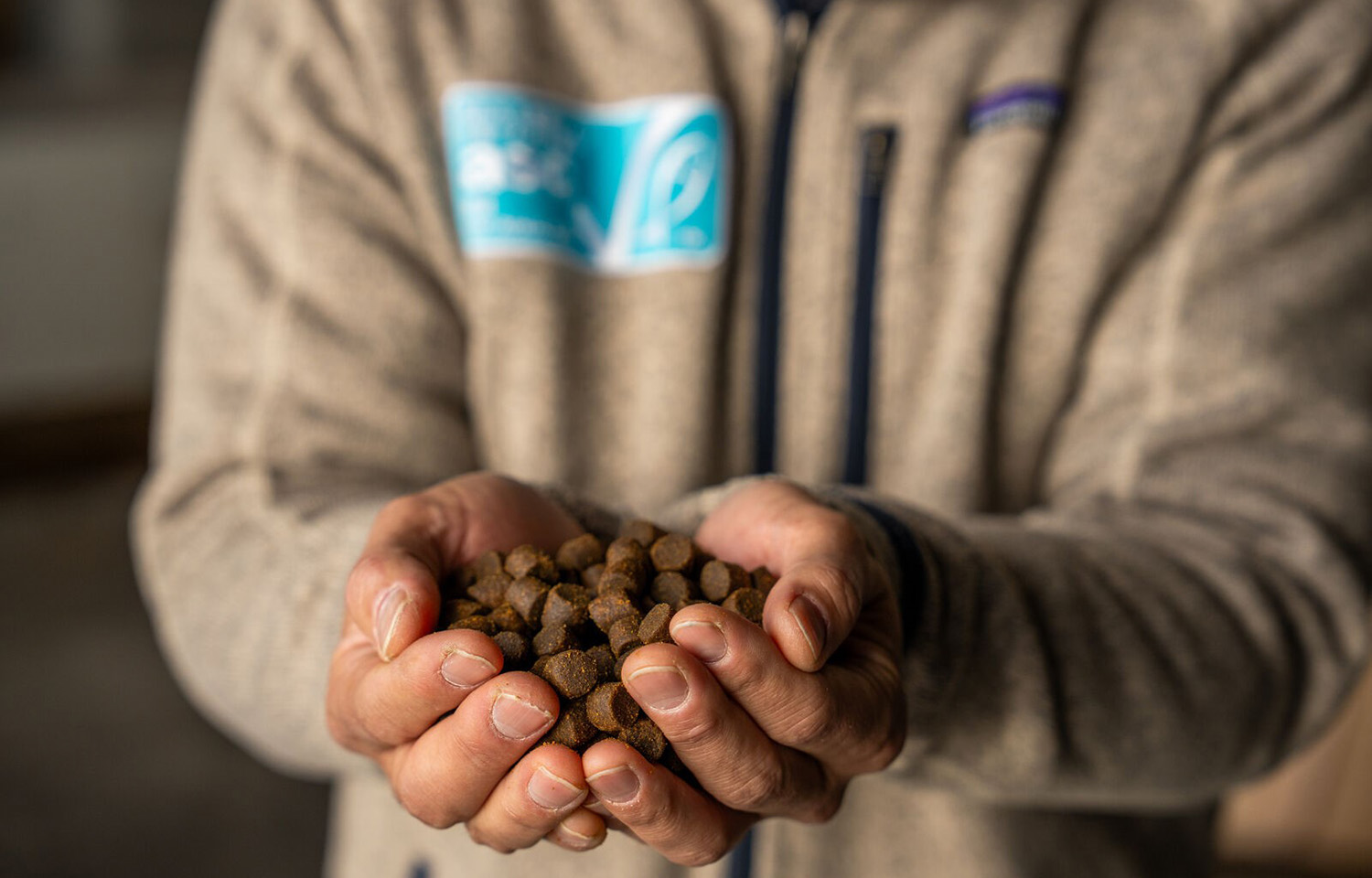
The Aquaculture Stewardship Council (ASC) has announced that three European feed mills have achieved ASC Feed Certification.
BioMar has received France’s first Feed Certification for its mill in Nersac, while SICA and Provenderie Saint Vincent have earned certifications for mills which produce shrimp feed in the territory of New Caledonia.
To qualify for the ASC Feed Standard, a feed production mill has to demonstrate that all the ingredients in its supply chain meet a strict set of requirements in terms of sourcing and ethics.
Starting in late October, all farms certified under the ASC Farm Standard have been required to use feeds from ASC Feed-certified mills.
“From France to New Caledonia, feed producers are proving that sustainability isn’t limited by geography, it’s driven by commitment, transparency, and a shared vision for change. More producers across those regions can now access ASC-conforming feed, making it easier than ever to deliver responsible and traceable seafood,” ASC French Market Development Manager Maxime Engler said.
BioMar Western Mediterranean Europe and Africa Managing Director Luis García Romero said that the certification will improve the marketability of the products produced at the Nersac plant.
“This certification strengthens our ability to support ASC-certified farmers at every production stage. By offering ASC-conforming feed, we help our customers meet evolving market expectations and build value across the full value chain in the western mediterranean region.”
Provenderie Saint Vincent Managing Director Yves Jean-Baptiste said that the certification process had strengthened his company’s market position as well.
“ASC Feed Certification provides an internationally recognized framework, consistent with the growing expectations of consumers, distributors, and NGOs. It enables the New Caledonian industry to position itself on the global market,” Jean-Baptiste said.
SICA Research and Development Head Christine Colomina said that the certification requirements aligned with local values.
The certification process “aligns perfectly with New Caledonian strategies to protect biodiversity, support the local economy, and enhance product credibility internationally, in line with territorial priorities for sustainability and a more responsible industry,” she said.
