


Despite claims to the contrary, threats to wildlife at Peru’s Paracas National Reserve are not coming from industrial fishing fleets, according to a recent Humboldt Institute for Marine and Aquaculture Research (IHMA) study.
The study, titled “Environmental Diagnosis of the Paracas National Reserve: Oceanography, Biodiversity, and Fisheries,” claimed that the real threat to the reserve is uncontrolled illegal, unreported, and unregulated (IUU) fishing and the overexploitation of marine resources by the local artisanal fleet, emphasizing that legal industrial fishing and wildlife can coexist harmoniously in the reserve.
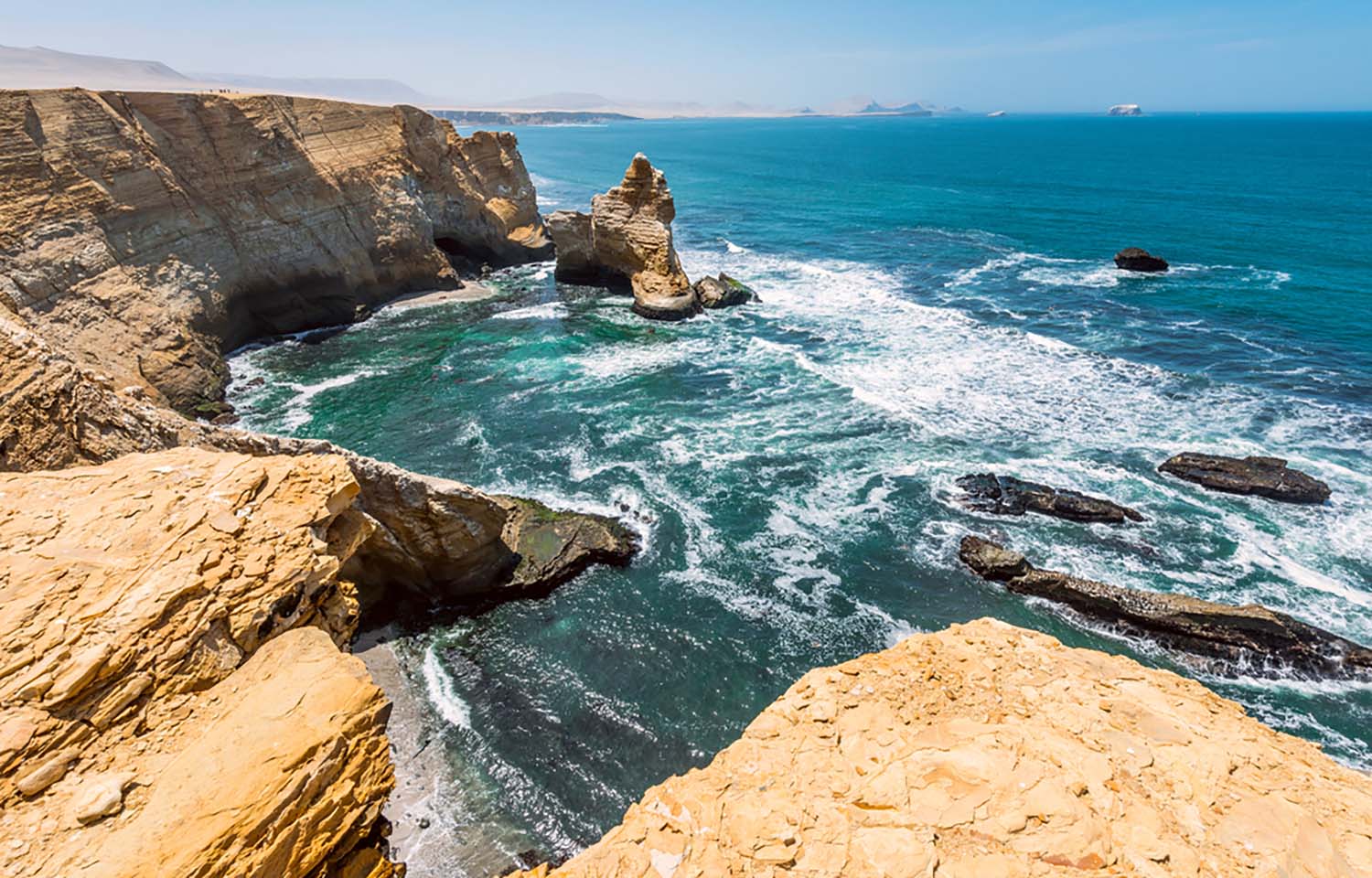
The Paracas National Reserve – located near the city of Pisco on Peru’s south-central coast – was declared a protected area in 1975. It spans over 3,300 square kilometers that feature desert, ocean, and islands and is considered a hotbed of marine biodiversity, acting as a refuge for species like sea lions, dolphins, migratory birds, anchoveta, and scallops.
The report from IHMA – a Peruvian scientific organization dedicated to fisheries research – highlights that competing interests, IUU activities, and environmental degradation are threatening both the reserve’s biodiversity and the communities depending on its resources.
“The main threats to the Paracas Reserve ecosystem stem from illegal and informal activities within the reserve itself, such as the use of explosives, the hunting of turtles and birds, and the extraction of resources without traceability,” IHMA Director Jennifer Vilches said.
Both artisanal and industrial fishers operate in the area’s waters, and tensions have risen between the two groups, leading to accusations that industrial fishers are the main threat to biodiversity.
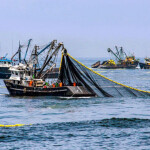
The IHMA report, however, stresses that industrial fleets in the area, mainly fishing for anchoveta, operate under a robust monitoring framework and are subject to quota systems and satellite vessel tracking.
Artisanal fishers present a more complicated picture, according to the study.
While these fishers are a vital part of the local economy and cultural heritage, their numbers have grown significantly in recent years, driven by economic necessity, and they lack oversight, according to the study. The report found some artisanal fishers engage in destructive practices like compressor diving without safety regulations, use of illegal gear, and harvesting outside designated zones – all of which are unsustainable practices that endanger marine life and the fishers themselves.
Overlaying these challenges is the growing threat of IUU fishing, including both unregulated artisanal operations and outright illegal activities such as poaching protected species and fishing without permits. The lack of traceability in seafood harvested from areas in and around the reserve means that it is nearly impossible to ensure food safety or enforce management rules, the study said, adding that the line is often blurred between artisanal fishers and illegal operators, making regulation even more difficult.
Vilches said the issue only seems to be worsening.
“This situation … presents a challenge to the sustainability of fishery resources in the area,” she said.
Other issues in the reserve include hypoxic conditions exacerbated by nutrient runoff and lack of proper wastewater treatment, according to the report. These low-oxygen zones can decimate fish nurseries, with the negative effect cascading up the food chain.
While the findings may be disheartening, there are opportunities to secure a positive pathway forward, according to Vilches.
“This study reinforces the need to make environmental management decisions based on scientific evidence, especially when food security and employment in Peru’s coastal regions are at stake,” she said. “Ultimately, the goal is for the Paracas Reserve to become an example of integrated management for other marine protected areas in Latin America and the world.”
Key recommendations from the report include:
- Strengthening traceability and certification systems for all fishing activities, particularly artisanal operations;
- Enhancing enforcement capacity, including better patrolling of high-risk zones;
- Investing in community engagement and education to shift artisanal practices toward more sustainable models;
- Improving sanitation infrastructure in Paracas Bay to prevent runoff-induced ecological degradation; and
- Expanding scientific monitoring programs, especially in hotspots of biodiversity and human activity.
This is not the first time issues within Paracas National Reserve have drawn attention.
Last year, Peru’s National Fisheries Society (SNP) petitioned for the ability to fish 5 miles off the reserve’s shores, but environmental and conservation organizations fought the request.
Detractors called SNP’s request “one of the most grotesque cases of corporate greed in recent decades.”
“Paracas is the last refuge of hundreds of marine species, and it would be a crime against our own ecosystem to let them enter,” Acorema Biologist Julio Reyes told Diario Correo at the time.
Before that, in January 2023, SNP filed a lawsuit after the Peruvian National Service of Natural Protected Areas (Sernanp) rejected another request to fish within the reserve. According to the suit, SNP maintains it holds fishing rights preexisting the creation of the reserve in 1975 and that the protected area’s master plan excluded industrial fishing activities without scientific backing for the move.
Sernanp has argued the area is reserved for artisanal fishing activity only, warning that allowing industrial fishing “would decrease food availability for birds and mammals, harming their reproductive processes and recovery of their population levels.”
