




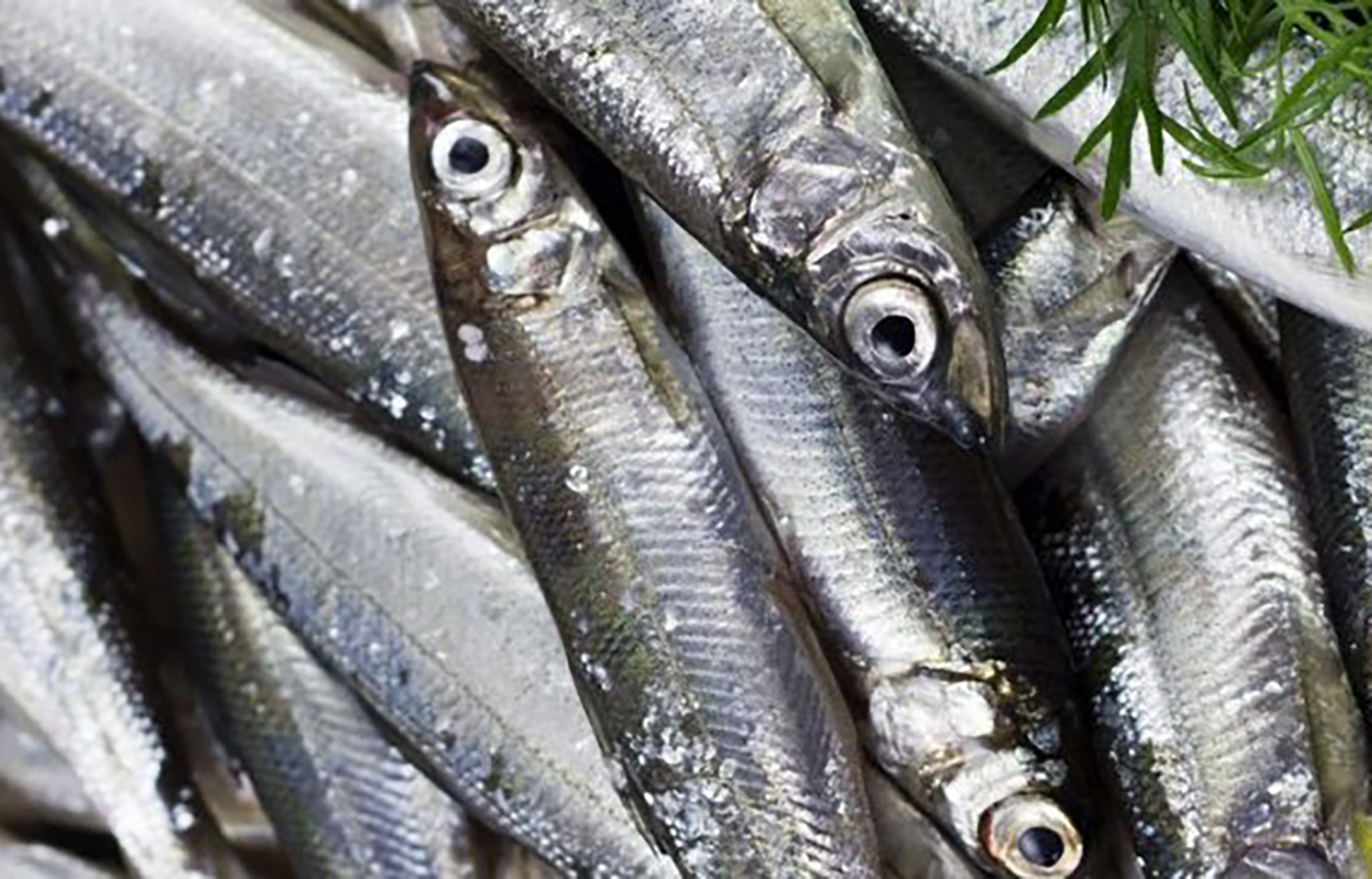
Marine experts from Chile and Peru are working together to jointly estimate the biomass of anchovy off of Southern Peru and Northern Chile.
To accurately estimate the shared stock, the experts are using hydroacoustics, which is a non-invasive scientific technique that emits sound waves from echo sounders installed on specialized vessels to detect, quantify, and locate schools of fish without the need for direct capture. This offers experts accurate data collection on the available biomass, facilitating sustainable, evidence-based management of fishery resources.
The joint monitoring and information exchange between the two countries is expected to contribute to improved understanding of marine populations in shared ecosystems, such as the Humboldt Current Large Marine Ecosystem (HCLME), which in turn will aim to strengthen decision-making in global fisheries management.
Extending along the coasts of Peru and Chile and featuring cold, nutrient-rich upwelling, the HCLME supports a massive amount of biodiversity and contributes significantly to global fish catch totals and fishmeal production.
However, species in the HCLME are threatened by overfishing, climate change, and pollution, and this joint effort aims to harmonize methodologies for monitoring and analyzing a particularly fundamental species in the HCLME, as anchovies are essential for food security, fishing and global fish farming, and the balance of marine coastal ecosystems.
The project is being led by Chile’s Undersecretariat of Fisheries and Aquaculture (Subpesca) and Peru’s Ministry of Production (PRODUCE), with the participation of specialists from the Peruvian Institute of the Sea (Imarpe) and Chile’s Institute of Fisheries Development (IFOP). It has technical support from the United Nations Development Program (UNDP) and financing support from the Global Environment Facility (GEF).
Last year, Peru’s management of the anchovy biomass was the subject of a documentary that formed part of Ocean Titans – a series of films put on by the World Ocean Council centered around the importance of ocean preservation.
Peru’s anchovy fishery is the largest by volume in the world. The country divides its anchovy fishing areas into two regions – South and North-Central – with different capture limits and seasons set for each. The North-Central is Peru’s main fishing region.
In Southern Peru, where the joint management efforts are taking place, anchovy fishing has recovered after the area’s industry was on the brink of bankruptcy.
“We are witnessing a recovery in anchovy fishing in the south, which represents a great opportunity for fishers, companies, and communities linked to this activity. This rebound not only boosts the regional economy but also strengthens our capacity for sustainable and responsible production,” Peruvian Fisheries and Aquaculture Deputy Minister Jesús Barrientos said earlier this year.
