




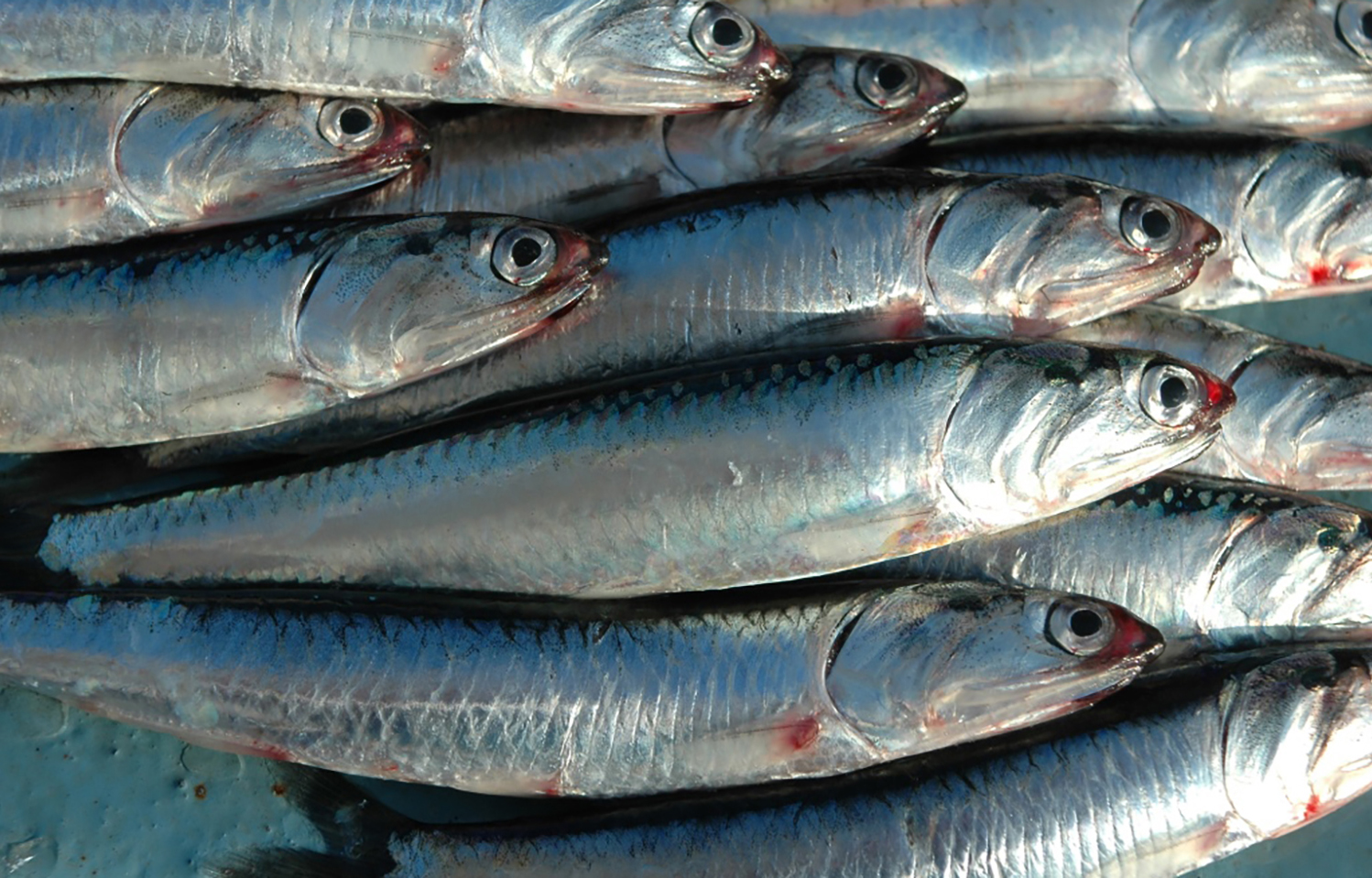
Peru’s anchovy fishery is the largest fishery by volume in the world, with its landings significantly determining supply and pricing for the global fishmeal and fish oil sectors.
Peru’s successful 2024 anchovy catch of more than 4.8 million metric tons (MT) was made possible thanks to favorable oceanographic conditions, coupled with timely regulatory decisions made at the opening of both seasons, according to the Peruvian National Fisheries Society (SNP).
It was a stark contrast to the fishery’s dismal 2023, which the SNP called “the worst in the last 25 years for anchovy fishing,” with El Niño weather patterns and fishery closures dealing the sector a hard blow.
Expectations are high for another strong year of output in 2025, but four issues could get in the way of a positive year for the fishery.
1. Black market anchovy supply
Peru’s artisanal and small-scale fleets are authorized to fish anchovy exclusively for direct human consumption, with the aim of contributing to Peruvian food security. The nation’s authorities set a 2024 total allowable catch (TAC) for that purpose at 200,000 MT.
Just over 4,000 cans of anchovy are produced for each MT caught, so Peru should have produced more than 150 million cans annually over the last nine years. However, this is not occurring, according to SNP, and neither fishing terminals nor markets are flush with fresh or canned anchovies in the country.
SNP suggested that some of the TAC is being illegally sent elsewhere, mostly crossing the northern border into Ecuador. In 2019, there were 900 MT of fresh refrigerated anchovy transported into Ecuador; this had jumped to 20,000 MT by September 2024, according to SNP.
“In Ecuador, they don’t eat anchovy… [it] is unlikely to be manufactured in one of the world’s main canned tuna-producing countries,” SNP President Eduardo Ferreyros said, adding that the anchovy is most likely being processed as fishmeal. “It is clear to us that most anchovy for human consumption never ends up as such.”
2. Aggressive regulations
Last year’s anchovy output generated about USD 3 billion (EUR 2.75 billion) in exports for Peru, and taxes accrued from the sales make anchovy fishing a key player in the country’s economy.
Though the government relies on the taxes the sector generates, according to the SNP, the government employs aggressive regulatory policies toward the industry, including the “abusive application of the rule of forfeiture of ownership, seizing vessels from fishing companies and putting the employment of their crew members at risk.”
The organization called on the government to respect legally-obtained permits to carry out a formal activity regulated by authorities.
It also called for more to be done to combat alleged misinformation disseminated by NGOs.
“[There is a] disinformation campaign that certain NGOs undertook against industrial fishing with the purpose of affecting its reputation, despite the fact that, for more than 72 years, [the sector] has respected regulations in force, contributes to the sustainable development of our country, and works committed to the care of ecosystems.”
3. Threatened anchovy fishing in the South zone
Peru divides its anchovy-fishing areas into two regions – South and North-Central – with different capture limits and seasons set for each. The North-Central zone is Peru’s main fishing region, with capture measuring several times that of the South region.
Even so, industrial anchovy fishing in southern Peru is on the verge of bankruptcy, according to the SNP. Of the 13 plants that processed marine ingredients up until a few years ago, only three remain, and they have been struggling to stay afloat. According to the organization, thousands of jobs have been lost, while entire communities face abandonment.
In 2024, the industry only caught 71,000 MT of anchovy in the South region – equivalent to 29 percent of the 251,000 MT TAC assigned by the government and a figure that pales in comparison to the annual 700,000 MT caught regularly until 2011.
“The problem lies in a regulation that ignores the unique characteristics of the maritime base in the south. Unlike the North-Central, where regulation has been working effectively, the southern ecosystem requires specific measures that allow the industrial fleet to operate sustainably,” Ferreyros said.
In Peru, only artisanal and small-scale fishermen are allowed to catch anchovy within 5 miles of the coast, and this catch is supposed to be used exclusively for direct human consumption.
Ferreyros this is a missed opportunity for the industry to meet its TAC and save jobs in the process.
“It is inconceivable that, while Chile optimizes its fishing with a shared stock [between artisanal and industrial fleets], we continue to let the wealth we have off our coasts pass by,” he said.
4. Climate variability
Climate change and other environmental phenomena such as El Niño are making anchovy fishing much more unpredictable, according to SNP, as changes in sea temperature and weather patterns can affect the sexual development of anchovies, as well as the movement of anchovy schools seeking more plankton-rich areas on which to feed.
Peruvian law prohibits the extraction and/or processing of anchovy specimens smaller than 12 centimeters, allowing a maximum tolerance of 10 percent. When juveniles are removed in percentages greater than 10 percent of the daily landings at a certain port, authorities can suspend or completely call off fishing activities.
Some sector observers have said that there is evidence anchovies are reaching maturity earlier than before and at a smaller size, calling for adjustments to capture regulations. Environmental organizations, however, such as Mongabay and Oceana Peru have questioned this argument, calling for authorities to maintain current rules in order to allow the anchovy biomass to achieve sexual maturity.
