





Earlier this year, China ratified the Food and Agriculture Organization’s (FAO) Agreement on Port State Measures to Prevent, Deter, and Eliminate Illegal, Unreported, and Unregulated (IUU) Fishing – also known as the Port State Measures Agreement (PSMA).
Among many actions China needs to take to ensure it properly adheres to the agreement, Hong Kong needs to improve the traceability of seafood imported into the city, according to the Hong Kong Sustainable Seafood Coalition (HKSSC), which represents seafood suppliers and vendors in the city.
“Hong Kong, as a part of China, has an obligation to take actions to support the implementation of the PSMA,” the HKSSC told SeafoodSource.
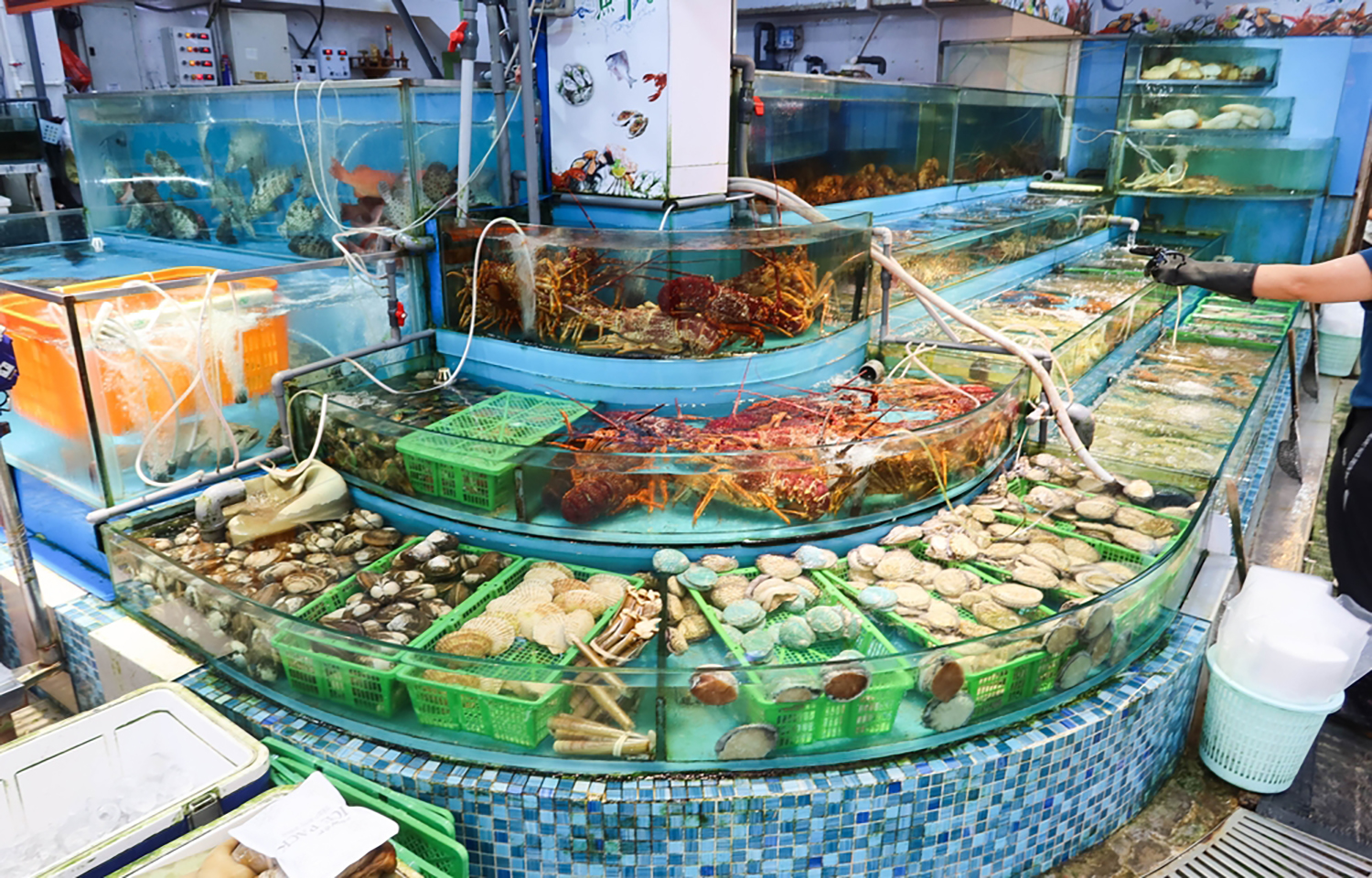
The HKSSC has been calling for traceability improvements in Hong Kong for a while. The group released a report last year that highlighted how the city is facilitating massive trade in live reef fish by allowing shipments into and out of the city that have little or no traceability information attached.
“Hong Kong has done little to update its laws and regulations in a rapidly changing world,” the report said, adding that some of the Hong Kong laws concerning imports date back to the 1940s.
Mandy Wong, a program manager at environmental services firm ADM Capital Foundation, which runs the HKSSC secretariat, said she hopes that the ratification of the PSMA will represent the push Hong Kong needs to finally enact change – a movement that has lost momentum in recent years.
“Market intelligence from our members suggests that outside the HKSSC, a once-growing interest in corporate sustainability, including the procurement of sustainable seafood, has taken a step backward since the Covid-19 pandemic followed by the current economic downturn,” she said. “Many suppliers are currently unable to provide basic information such as where wild-caught fish were captured, what fishing gear was used, and whether a stock assessment has been undertaken. Importers bringing live reef food fish into Hong Kong by vessels are also not required to report their catches and imports to customs.”
Wong highlighted that though Hong Kong has few laws in place enforcing traceability, HKSSC members largely comprise higher-end hotels and restaurants, some of which are part of multinational chains with established sustainability codes and goals. HKSSC members also follow a Voluntary Code of Conduct on Responsible Fish and Seafood Sourcing, she added.
“HKSSC will continue to support its members in supplier engagement and data collection to facilitate risk assessments and improve seafood traceability,” Wong said.
Other actions that China has taken to better adhere to the PSMA’s framework have included a proposed overhaul to its nationwide fisheries law.
The revisions would alter nearly every existing article to the country’s fisheries law to varying degrees and call for the digitization of the country’s fishing ports and the introduction of fishery insurance policies, among other stipulations.
“China wants to realize its interests but to be considered to be playing by the rules,” Daniel Pauly, an oceans and fisheries professor at the University of British Columbia in Canada, said earlier this year when China first proposed changes to the law. “The only way to rein [the Chinese fleet] in is for major fishing powers like Europe to raise its own standards. Then, you [establish a] baseline from which you can accuse others. It is not surprising that [China] signed the PSMA because this is how China wants to increase its fishing activity – by being a benevolent party.”
