






The U.K. government has drafted five new fisheries management plans (FMPs) with the intention of improving the long-term sustainability of key stocks, and the plans are now open for consultation through 19 January 2025.
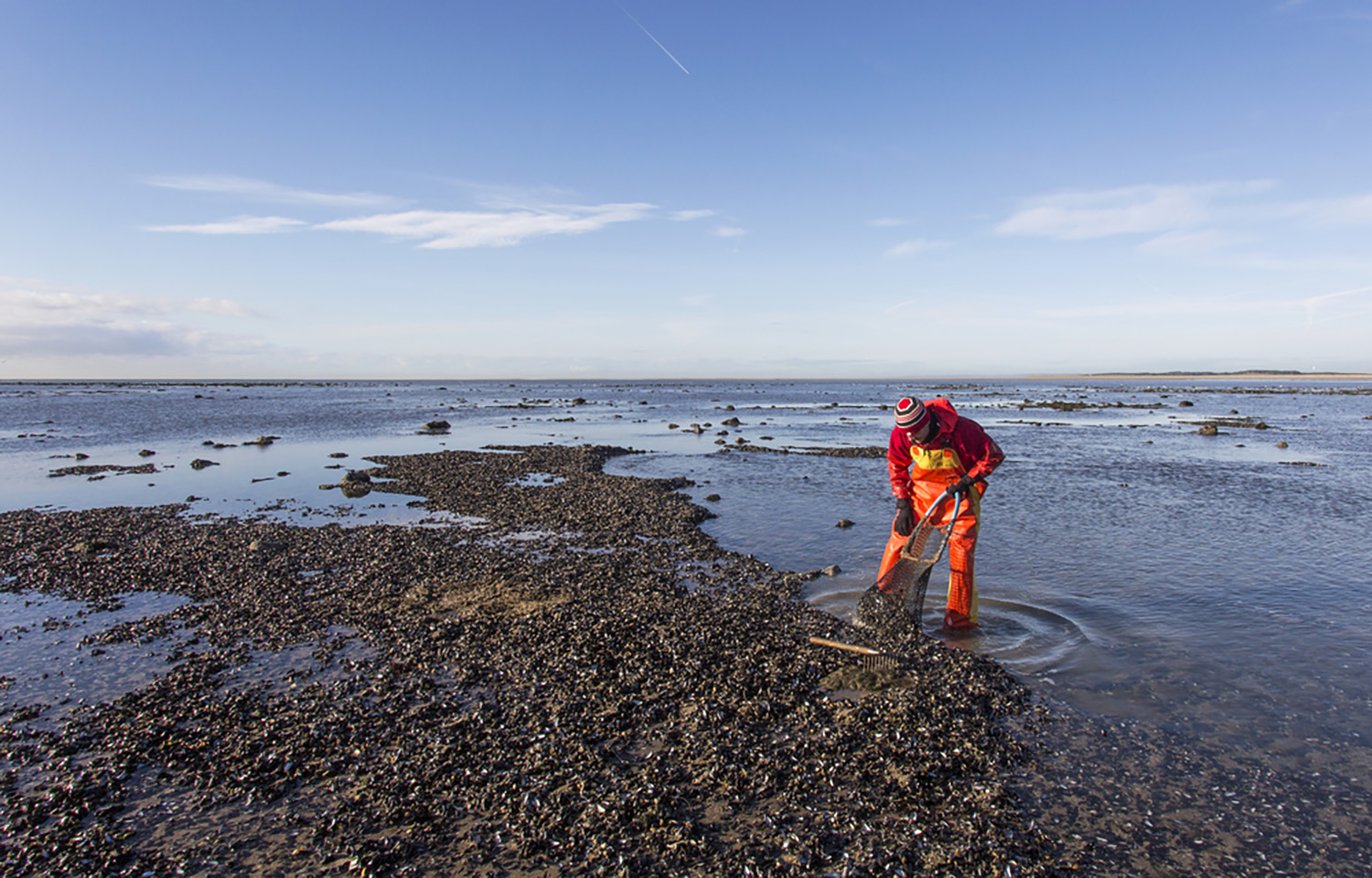
Covering cockles, queen scallops, southern North Sea and Channel skates and rays, southern North Sea demersal non-quota species, and North Sea and Channel sprats – a plan developed jointly with the Scottish government as it concerns both English and Scottish waters – each plan is tailored to a specific species, type of fishing, and location.
According to the U.K. government’s Department for the Environment, Food, and Rural Affairs (Defra), FMPs are “recognized internationally as the gold standard in managing fisheries,” and these latest ones contain proposals that will help deliver sustainable fish stocks, support the U.K. fishing industry, and deliver growth in coastal communities for generations to come.
U.K. Fisheries Minister Daniel Zeichner said in a statement the consultations give fishermen the chance to voice their opinions on how best to shape the plans and for the government to draw on the expertise of those on quaysides around the country.
“Many opportunities lie ahead for our fishing sector, and this government is committed to making the most of them to ensure the industry can best contribute to our country's food security and economic growth,” he said.
National Federation of Fishermen’s Organizations (NFFO) CEO Mike Cohen said that the FMP approach is “positive, collaborative, and forward-looking” and added that this is exactly what’s needed to support sustainable food production and coastal community growth.
“Expanding this ambition to new stocks in these latest consultations is a valuable step toward comprehensively modernizing British fisheries management,” Cohen said.
He also noted the first round of plans showcased how much effort is required to develop them effectively.
“Allowing sufficient time to complete such essential work with the care it deserves shows that stakeholders have been listened to and will be warmly welcomed by everyone who wants to see FMPs succeed,” he said.
In addition to the new plans, Defra has recently published a mixed flatfish FMP following a consultation held last year. This plan, the department explained, reflects concern for technical issues raised in the public consultation, including implementing minimum conservation reference sizes for lemon sole, turbot, and brill, among other issues raised.
To ensure future FMPs have collaboration baked into their creation, Defra and fisheries policy authorities in Scotland, Wales, and Northern Ireland have jointly launched a public consultation into amending deadlines for the production of future FMPs.
Closing on 21 November 2024, this proposes amending the publication deadlines for five Defra-led plans to the end of 2025; for 29 Scottish Government, Defra, and Northern Ireland Department of Agriculture, Environment, and Rural Affairs jointly led plans to the end of 2026; and for one Welsh government-led plan to the end of 2028.
Defra said the proposed new deadlines will help ensure there is adequate time for the fishing sector and wider stakeholders to feed into the development of FMPs.
Scottish Government Cabinet Secretary for Rural Affairs, Land Reform, and Islands Mairi Gougeon echoed this sentiment.
“Work is ongoing to develop the Scottish-led FMPs for U.K. waters. The Scottish government will continue to engage to ensure that FMPs are fit for purpose, supporting sustainable fishing and our marine environment and ultimately benefiting Scotland’s fishing industry and coastal communities,” she said.
The U.K.’s Joint Fisheries Statement currently lists 43 FMPs currently under proposal besides those already published.
