



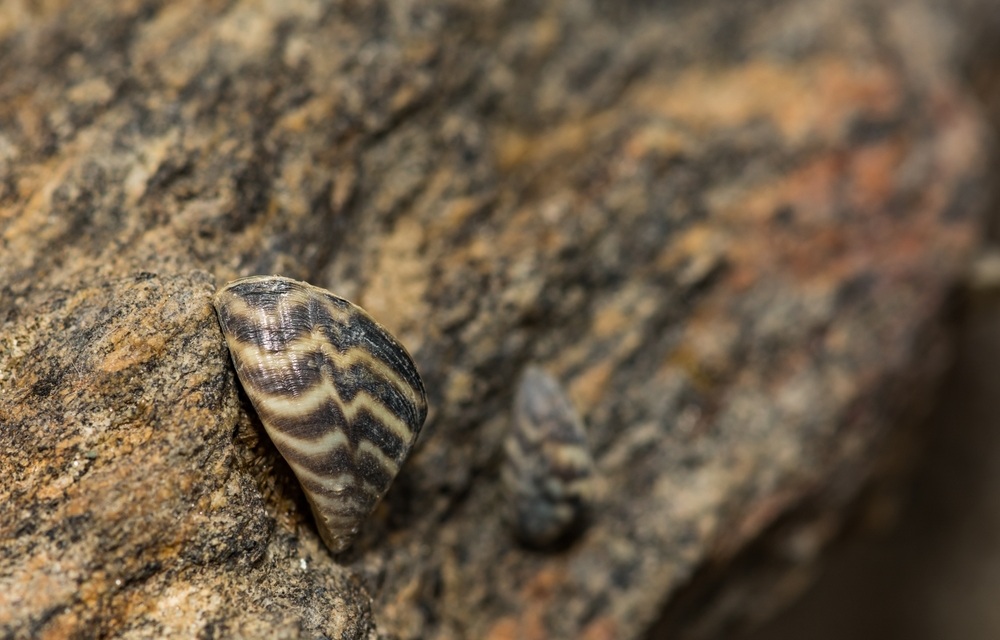
The European Parliament has issued a call for action to stop the spread of aquatic invasive species and to limit their impact on fisheries and aquaculture in the European Union.
“The European Union can no longer ignore the devastating impact that alien species are having on fisheries and aquaculture, with severe economic losses. By reaffirming the central role of sensitive species as indicators of ocean health, we advocate science-based management and the long-term preservation of ecosystems,” André Franqueira Rodrigues (S&D, PT) said in a statement.
In late January, the parliament’s Fishery Committee called for joint action from the European Commission and member countries to protect sensitive species from aquatic invasive species. In a report, the committee urged European authorities to adopt a ecosystem-based management model that considers all marine ecosystem pressures in protecting and conserving sensitive species. To achieve adequate protections, the committee advocated for the full implementation of marine protected areas, leveraging any regulatory measures on behalf of sensitive species, and using selective gear to reduce bycatch. Members also called for compensation to commercial fishers who lose access to traditional fishing areas or lose income due to invasive species.
The committee suggested the establishment of regional monitoring systems that can use eDNA and artificial intelligence to detect invasive species. Members also said more funding is needed to eradicate invasive species.
On 10 March, the European Parliament adopted a resolution supporting the committee’s recommendations with 528 votes in favor, 21 against, and 62 abstaining.
“We therefore demand clear improvements in the E.U. strategy, through more science, more early warning systems and more financial support, ensuring that fishers are active partners in conservation and not simply the main victims of these changes,” Rodrigues said. “It is essential to protect what is vulnerable, combat external threats and guarantee the income of those who live from the sea, with a very particular attention to our outermost regions.”
