

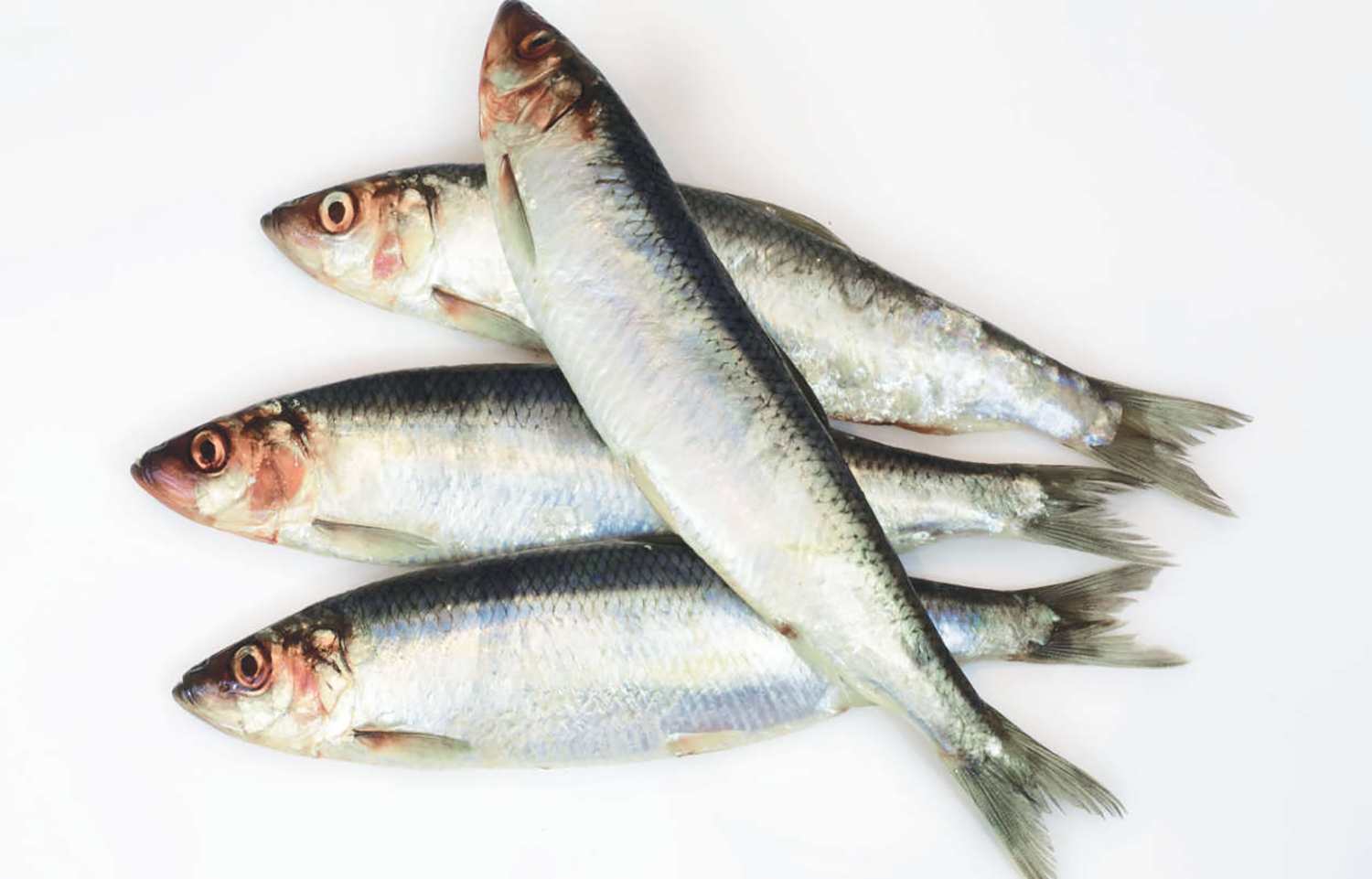
Norway, the European Union, and the United Kingdom recently agreed to 2026 quotas on jointly managed stocks in the North Sea, and during the negotiations, the parties also agreed on a long-term management plan for North Sea herring, marking the first shared management plan agreed upon by these three governments on a jointly managed stock.
In addition to being the first management plan agreed upon by Norway, the E.U., and the U.K., it also represents the first management plan in the Northeast Atlantic Ocean based on the role a targeted species plays across an entire ecosystem.
As part of the new plan and acknowledging the importance of minimizing catch of juvenile herring, the delegations agreed to exchange more detailed annual catch statistics on North Sea herring with the objective of distinguishing between catches of adults and juveniles.
Using those statistics, the herring deal also incorporates commitments to advance protection measures, such as potential closures of areas that are important for young fish to grow.
According to The Pew Charitable Trusts, the plan paves the way for these three governments to negotiate on even larger forage fisheries in the future.
“This is the first such plan by these governments to integrate biodiversity considerations in this way, putting the parties’ commitments to an ecosystem approach into practice,” Pew International Fisheries Manager Jean-Christophe Vandevelde said in a statement. “This sets an important precedent for all Northeast Atlantic countries, which should apply this approach to other valuable fisheries, including the overfished Atlantic mackerel.”
The three governments agreed during the negotiations to a 20 percent cut to the quota of North Sea herring for 2026, setting the quota to 328,566 MT.
Elsewhere, the parties agreed to a total North Sea cod quota for all areas of 14,034 MT, a 44 percent cut compared to 2025. This came despite the International Council for the Exploration of the Seas (ICES) recommending no cod quota at all for next year.
Other North Sea stocks will also be seeing cuts next year, including saithe, which is dropping to 59,662 MT – a drop of 25 percent – and haddock, which is dropping to 108,301 MT – a decrease of 3.7 percent.
Delegates also agreed that the chairing of future negotiations will rotate on an annual basis, starting from 1 January of every year until 31 December. The E.U. will exercise the role as chair for 2026, followed by Norway in 2027, and the U.K. in 2028.
