


Chilean business representatives, including delegates from the nation’s salmon-farming sector, are preparing to travel to the U.S. to make the case that Chilean products should not be tariffed at the 12.5 percent rate recently set by the United States Trade Representative (USTR).
Earlier this year, the U.S. Supreme Court found President Donald Trump’s use of the International Emergency Economic Powers Act (IEEPA) to justify his tariff program illegal, invalidating a huge swath of tariffs.
Pivoting from that plan, the Trump administration launched new tariff rates under Section 301 of the Trade Act of 1974, and the USTR said it would propose tariff rates under Section 301 between 10 and 12.5 percent, depending on the commitments countries or blocs have made to opposing forced labor.
In early June, the USTR lumped Chile into a group of 60 economies it said had failed to impose and effectively enforce a prohibition on the importation of goods produced with forced labor; therefore, it set the tariff rate for Chilean products at 12.5 percent.
In response, a Chilean delegation – comprising the Chilean manufacturers association Sofofa and food and forestry sector groups in conjunction with officials from Chile’s Undersecretary of International Economic Relations (Subrei) – announced it will travel to the U.S. to make its case before the USTR, which said its final decisions on Section 301 tariffs would be adopted after a round of hearings starting 7 July.
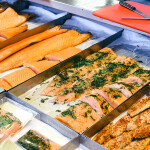
“Our priority in Washington [D.C.] is to technically explain why farmed salmon should be included in Annex A [exemptions] and not Annex B, which is subject to the 12.5 percent tariff,” SalmonChile President Patricio Melero said. “It is essential to specify that Chilean salmon does not compete with U.S. production but complements it to ensure the supply of that market. Therefore, imposing this tax would be a strategic mistake that would end up operating as a direct tax on the American consumer, making a healthy and essential food in their diet more expensive.”
Chile’s salmon sector will deploy a multi-pronged strategy to make its argument, according to the Chilean Salmon Council, which reported it will hold coordination meetings with the commercial attaché of government-run export promotion bureau ProChile in the United States, as well as meetings with other diplomatic authorities and representatives.
The council stressed that its agenda responds to an international strategy with a focus on long-term public-private collaboration and the protection of the country's interests.
“The United States is a strategic market for Chilean salmon and the current international context requires us to act with responsibility, coordination, and a long-term vision. Our role as the Salmon Council is to contribute with technical rigor, sectoral knowledge, and public-private collaboration, always aligned with a country strategy," Salmon Council Executive President Loreto Seguel said. “Chilean salmon farming competes in demanding, global markets. In the face of scenarios of tariff uncertainty, it is essential to strengthen coordination between the public and private worlds, project certainties, and continue to position Chile as a reliable supplier of high-standard food.”
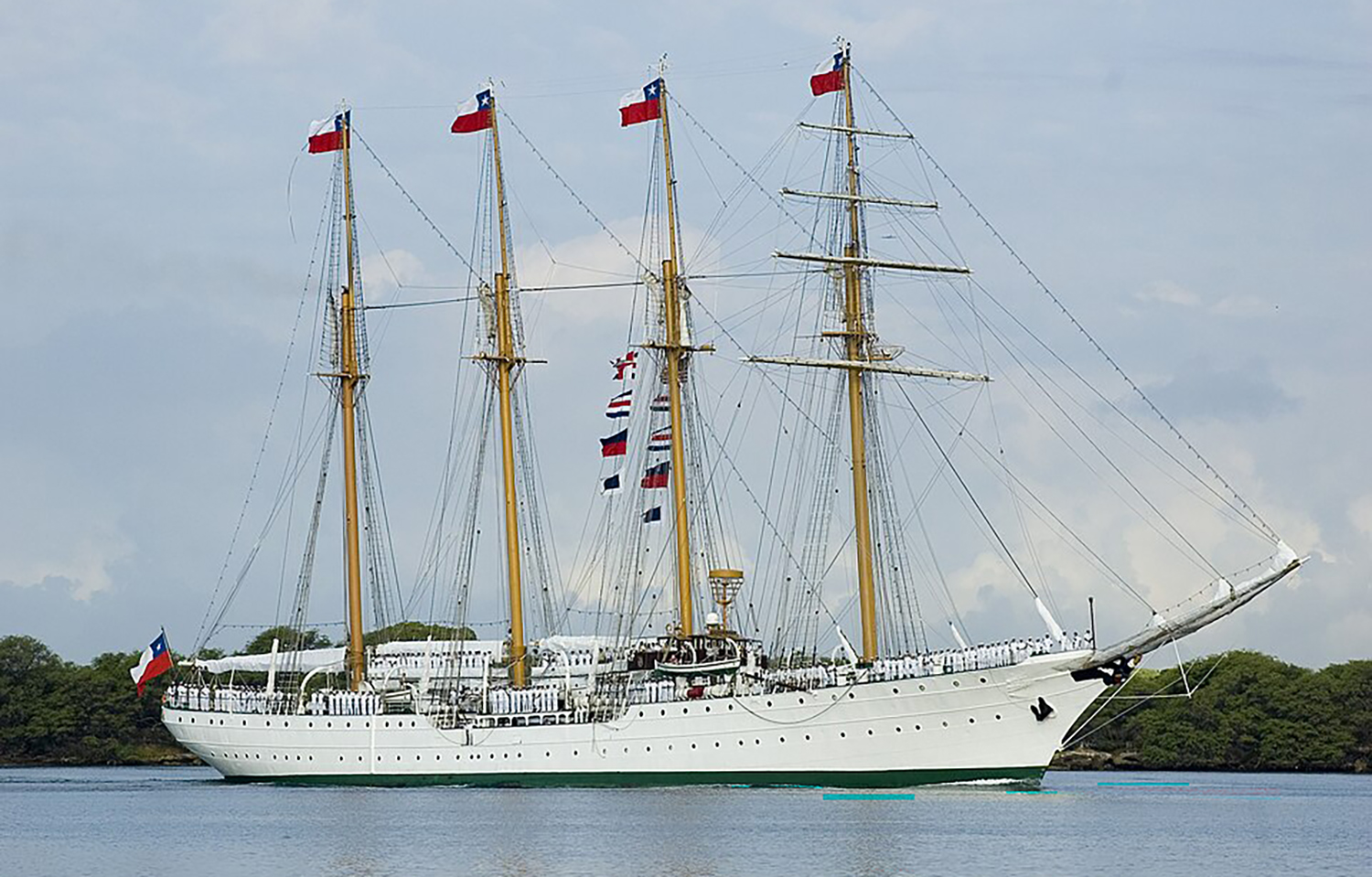
In addition to the aforementioned efforts, the Salmon Council said it will also participate in activities that include the Chilean sailing vessel Esmeralda, which is currently docked in New York City. As part of its agenda, the council will participate in a "Chilean Salmon Night" reception, which intends to be a country promotion seeking to highlight the contribution of Chilean salmon as a healthy, nutritious food that is internationally recognized for its quality standards.
The United States is the main market for Chilean farmed salmon, receiving exports of more than USD 2 billion (EUR 1.7 billion) in 2025.
